
By Kesaobaka Pelokgale
The global economy is constantly evolving, and keeping up with economic trends is essential for individuals to make informed decisions about their personal finances. In recent years, the world economy has faced numerous challenges, from the COVID-19 pandemic to geopolitical tensions and trade disputes. In this article, we will explore some of the major global economic trends and their impact on personal finance.

Interest rates
Interest rates are a crucial factor in personal finance. They determine the cost of borrowing money and the return on savings. In recent years, interest rates have been low in many parts of the world, in response to the economic slowdown caused by the pandemic. This has been good news for borrowers, who can take advantage of cheap credit to invest or purchase assets. However, it has also meant that savings accounts and other low-risk investments have yielded very little return. For those looking to maximize their savings, it may be necessary to consider alternative investments such as stocks, real estate or commodities.
Inflation
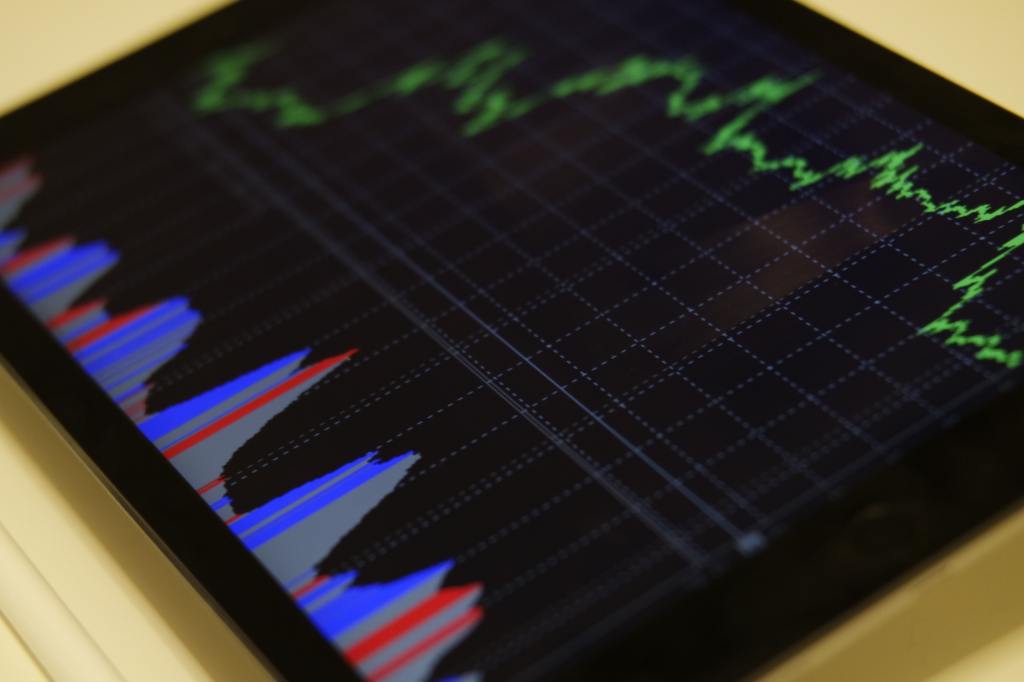
Inflation is the rate at which prices for goods and services increase over time. It is another critical factor to consider when managing personal finances. Inflation can erode the purchasing power of savings over time, as the value of money decreases. Inflation has been a concern for many economies in recent years, particularly as governments have implemented expansionary monetary policies to boost economic growth. However, the COVID-19 pandemic has caused a supply chain disruption, which has led to significant inflation in some areas. The impact of inflation on personal finances can vary depending on an individual’s situation. Those with high levels of debt may benefit from inflation, as it decreases the real value of their debt. Conversely, those with fixed incomes or savings may find it challenging to maintain their standard of living.
Geopolitical tensions and trade disputes
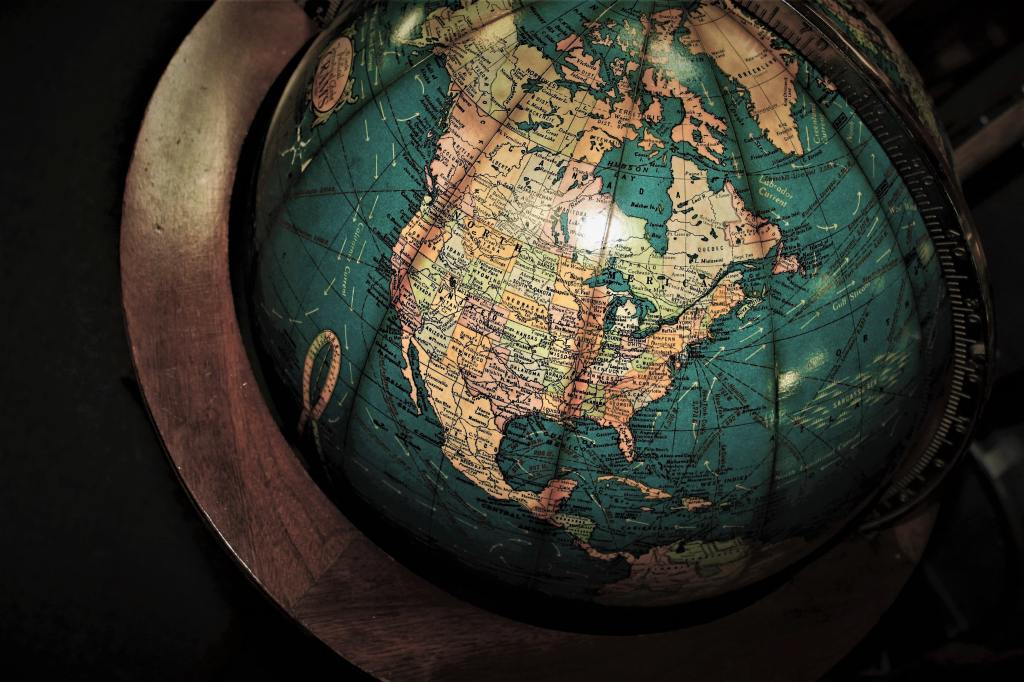
Geopolitical tensions and trade disputes have become increasingly prevalent in recent years, with significant consequences for the global economy. The ongoing trade war between the United States and China, for example, has led to tariffs and restrictions on imports and exports, which has affected global supply chains and increased prices for consumers. These disputes can also lead to currency fluctuations, which can impact exchange rates and the value of investments. Personal finance can be impacted in several ways, such as reduced job security, increased prices for goods and services, or reduced returns on investments.
Technological advancements
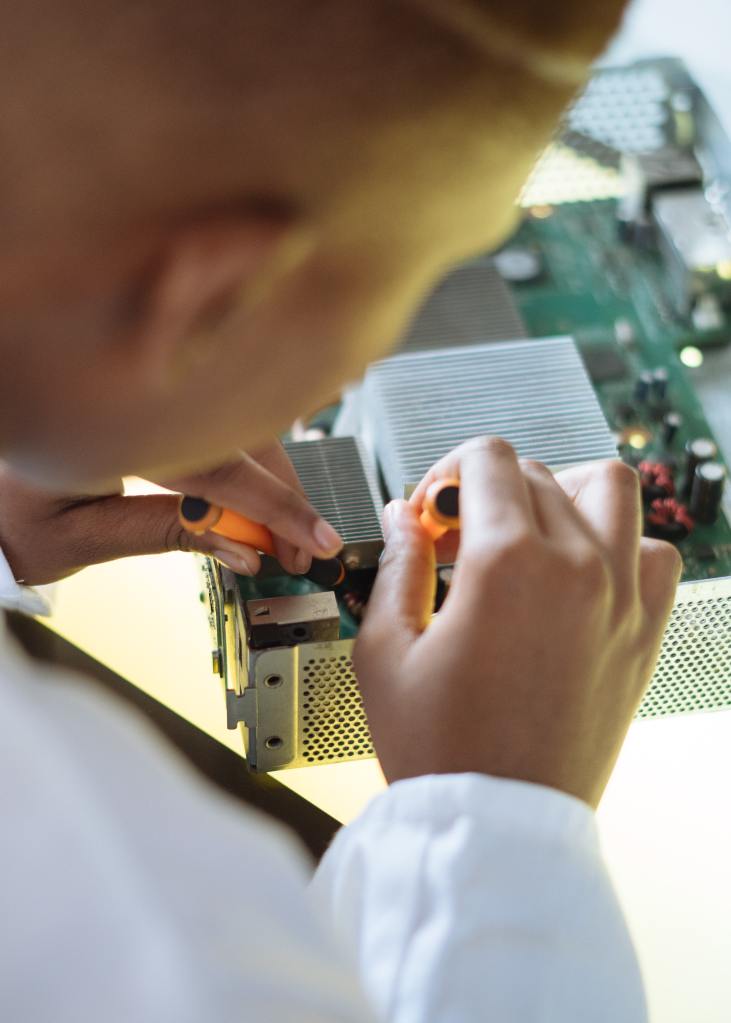
Technology has revolutionized the global economy, with new innovations changing the way we work, shop, and invest. Advancements in fintech, for example, have made it easier for individuals to access financial services and manage their investments online. However, technology can also disrupt traditional industries and jobs, leading to job losses and changes in employment trends. Personal finance can be impacted by technology in various ways, from increased convenience and access to financial services to the need to adapt to new economic realities and find new job opportunities
It is my opinion that keeping up with global economic trends is critical for individuals to make informed decisions about their personal finances. Interest rates, inflation, geopolitical tensions, trade disputes, and technological advancements are just some of the factors that can impact personal finance. By staying informed and adapting to changing economic conditions, individuals can navigate the challenges and opportunities of the global economy to achieve their financial goals.

 Finance Corner With Pelokgale