
By Kesaobaka Pelokgale
Where there is trust, there is opportunity, not just for connection, but for exploitation. Scams thrive in the quiet space between what we hope is true and what we choose to verify. In a world where appearances can be manufactured and urgency can be faked, even the wisest among us can be fooled. From smooth-talking callers to professional-looking emails, deception has many faces. But awareness is our first line of defense. This article offers insights and practical tips to help you recognize the signs, pause before you act, and protect yourself from the ever-changing art of the scam..

Be wary of unsolicited calls, emails, or texts
One of the most common ways scammers will try to reach you is through unsolicited calls, emails, or texts. They may claim to be from a well-known company or organization and ask for personal information or money. If you receive an unexpected call or email, do not give out any personal information, and do not click on any links or download any attachments. Instead, hang up or delete the message and contact the company directly using a trusted phone number or email address.
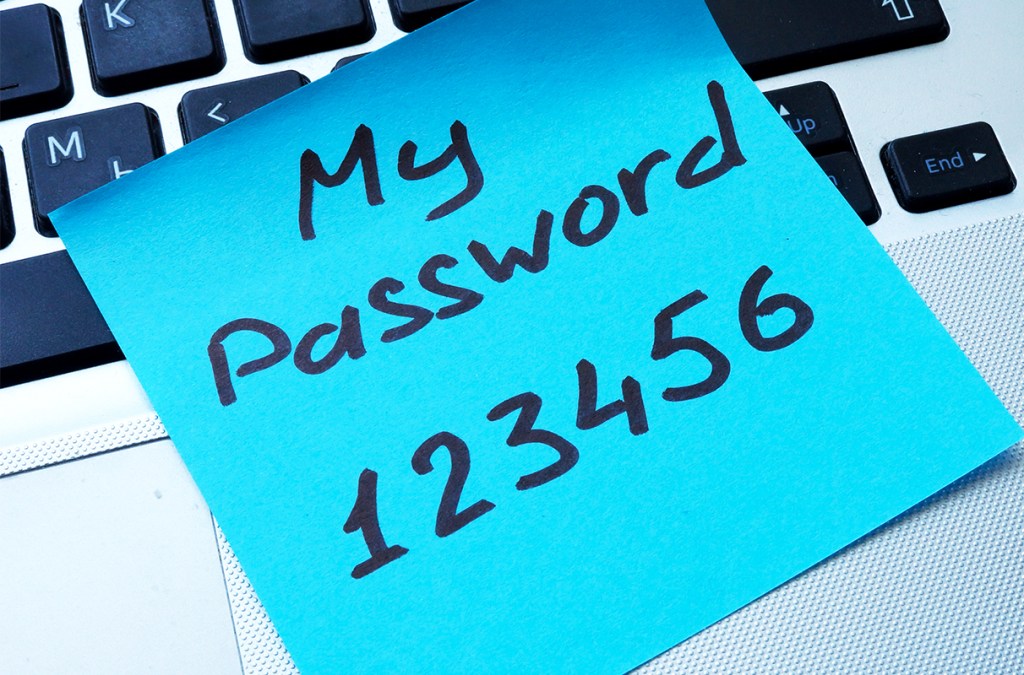
Use strong passwords and two-factor authentication
One of the best ways to protect your personal information online is to use strong passwords and enable two-factor authentication wherever possible. This can prevent scammers from gaining access to your accounts, even if they manage to obtain your password. A strong password should be at least 12 characters long, include a mix of uppercase and lowercase letters, numbers, and symbols. Two-factor authentication, which requires you to provide a second form of identification, such as a code sent to your phone, can add an extra layer of security to your accounts.

Research before you invest
Investment scams are common, and scammers often use high-pressure tactics to convince people to invest in fraudulent schemes. Before you invest, make sure you research the company and check if it is registered with the appropriate regulatory agencies. Also, be wary of promises of high returns or guarantees of profit, as these are often signs of a scam.
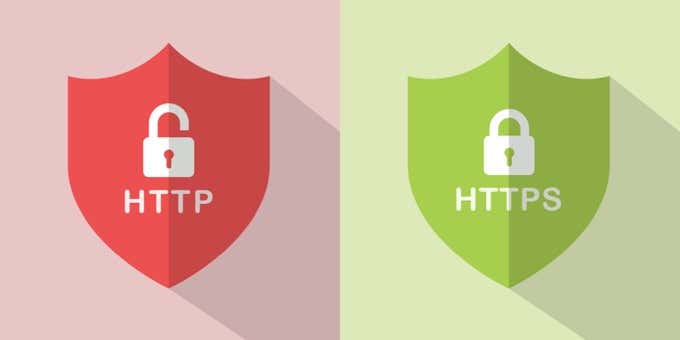
Don’t be fooled by fake websites

Scammers may create fake websites that look like legitimate ones to trick people into entering their personal information. Before entering any personal information, make sure you check the website’s URL to ensure it is the correct one. You can also look for security indicators, such as a lock icon in the address bar or “https” in the URL, which indicates that the website is secure.
Stay up-to-date on scams
Scammers are constantly coming up with new ways to trick people, so it’s essential to stay up-to-date on the latest scams. You can do this by checking the Federal Trade Commission’s website or subscribing to scam alerts from your bank or credit card company. If you receive an email or call that seems suspicious, you can also do a quick internet search to see if others have reported similar scams.

Always remember scammers are everywhere, but by following these tips, you can protect yourself from their fraudulent activities. Remember to be wary of unsolicited calls or emails, use strong passwords and two-factor authentication, research before you invest, be careful with fake websites, and stay up-to-date on the latest scams. With these precautions, you can avoid becoming a victim of scammers and keep your personal information and money safe.


 Finance Corner With Pelokgale