
By Kesaobaka Pelokgale

Each and every one of us has their opinion on whether taxes are worth paying or not. The truth is that taxes, when handled right are necessary for funding public services and infrastructure, as well as ensuring that everyone contributes their fair share towards the functioning of a society. However, not everyone pays the taxes they owe. Tax evasion and tax avoidance are two ways in which individuals and businesses attempt to reduce or avoid paying their taxes.
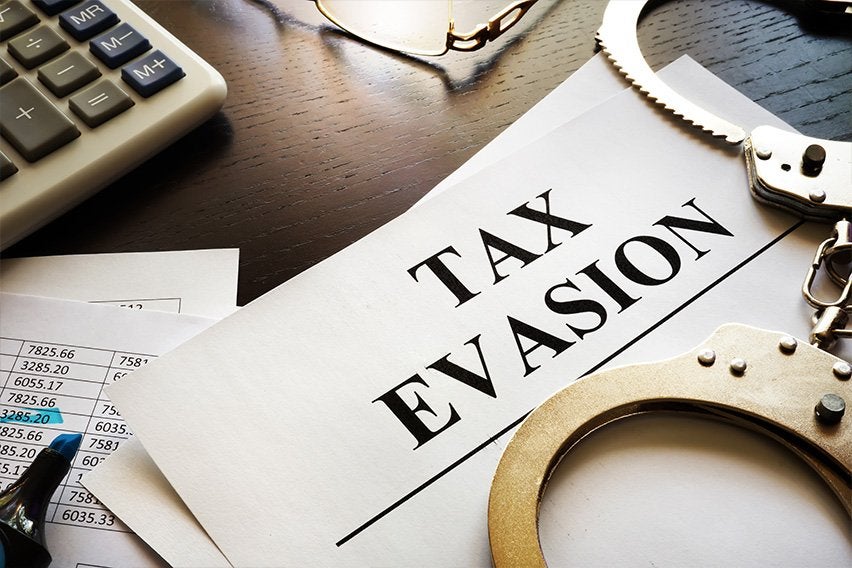
Tax evasion refers to the illegal act of not paying taxes owed by failing to report income or deliberately falsifying information on tax returns. This can include not reporting all income earned, claiming false deductions or expenses, or underreporting the amount of taxes owed. Tax evasion is a criminal offense, and those caught can face fines, penalties, and even imprisonment.

Tax avoidance, on the other hand, is a legal way of minimizing taxes by using deductions, credits, and loopholes in tax laws. While tax avoidance is not illegal, it is often considered unethical and unfair to those who are not able to use these methods. Tax avoidance can also result in lost revenue for governments, leading to a reduction in the funds available for public services.
The line between tax evasion and tax avoidance can be blurry, and what may be considered legitimate tax planning by some may be seen as tax evasion by others. Some individuals and businesses engage in aggressive tax planning, pushing the boundaries of what is legal, and sometimes even breaking the law in the process.

Governments around the world are taking steps to combat tax evasion and tax avoidance. One way is through the exchange of information between countries. The automatic exchange of information between tax authorities enables them to identify tax evaders and those engaged in aggressive tax planning.

Another way is through the implementation of anti-avoidance measures. Governments are introducing new laws and regulations to close loopholes and prevent aggressive tax planning. For example, many countries have introduced measures to tackle the use of offshore tax havens, where individuals and businesses can avoid paying taxes in their home country.
The role of businesses in tax evasion and tax avoidance has come under increased scrutiny in recent years. Large multinational companies have been accused of using complex tax structures to reduce their tax bills, often shifting profits to low-tax jurisdictions. This has led to calls for greater transparency and accountability in the tax affairs of businesses.
Tax evasion and tax avoidance are two ways in which individuals and businesses attempt to reduce or avoid paying their taxes. Tax evasion is illegal and can result in fines, penalties, and imprisonment, while tax avoidance is legal but often considered unethical. Governments around the world are taking steps to combat tax evasion and tax avoidance through the exchange of information and the implementation of anti-avoidance measures. It is important for individuals and businesses to pay their fair share of taxes to ensure that public services and infrastructure can be funded and maintained for the benefit of all.

 Finance Corner With Pelokgale