
By Kesaobaka Pelokgale
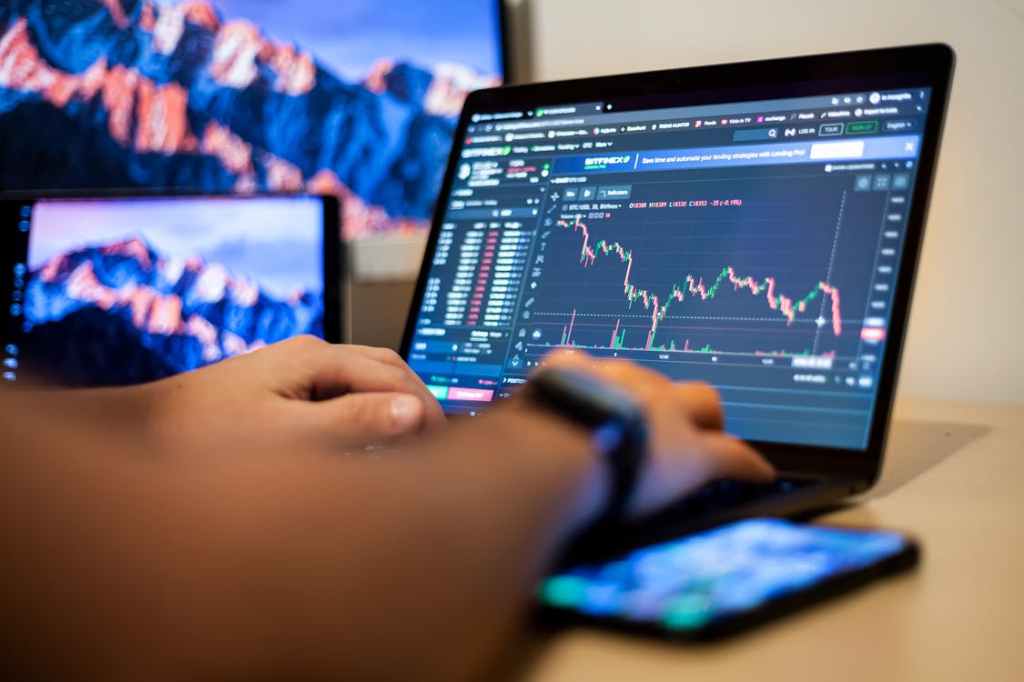
Forex trading, also known as foreign exchange trading or currency trading, is the buying and selling of currencies with the aim of profiting from fluctuations in their exchange rates. The forex market is the largest financial market in the world, with a daily trading volume of over $5 trillion, and operates 24 hours a day, five days a week, across different time zones.
The basics of forex trading involve buying or selling one currency against another. Forex trading is based on pairs consisting of two different currencies, one of which is the base currency and the other the quote currency. The exchange rate between the two currencies determines the value of the pair.
For example, if the exchange rate between the US dollar and the Euro is 1.20, it means that one US dollar can be exchanged for 1.20 Euros. If a trader believes that the Euro will appreciate against the US dollar, they will buy the Euro against the US dollar.

Forex trading is done through a broker or a financial institution. Traders can open a trading account with a broker and start trading on the platform provided by the broker. There are different types of trading accounts available, including demo accounts, standard accounts, and VIP accounts.
Demo accounts are designed for beginners, allowing them to practice trading without risking real money. Standard accounts are for more experienced traders and offer more features than demo accounts. VIP accounts are for high-level traders who require access to more advanced trading tools and services.
Forex trading involves a high level of risk, and traders must have a good understanding of the market and an effective trading strategy to minimize the risk. Forex traders can use technical analysis, fundamental analysis, or a combination of both to analyze the market and make trading decisions.
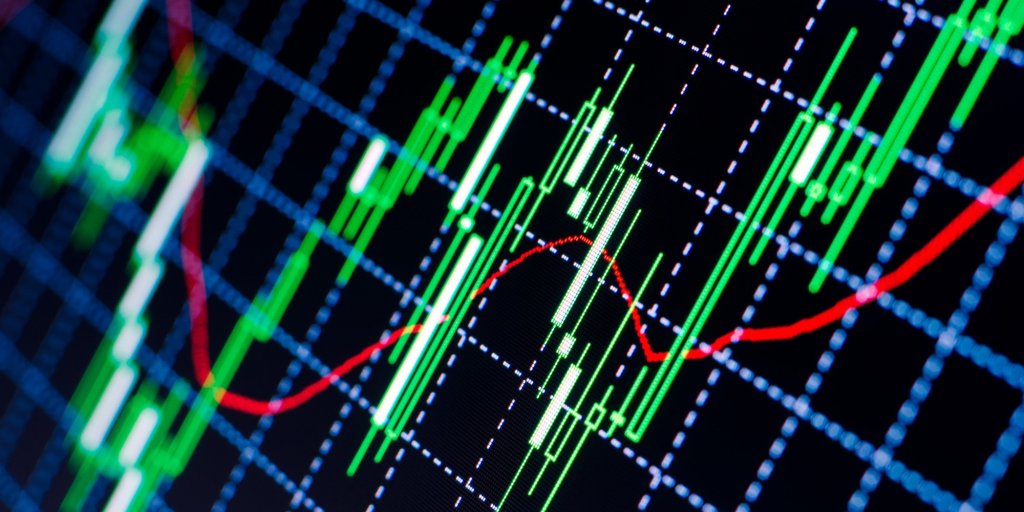
Technical analysis involves studying charts and identifying patterns and trends in the market. Traders use a range of technical indicators and charting tools to help them identify potential trading opportunities.
Fundamental analysis involves analyzing economic and political factors that can affect currency values. Traders use economic indicators such as GDP, inflation, and employment figures to make trading decisions.

Forex trading strategies
There are different forex trading strategies that traders use to make profits in the forex market. Here are some common forex trading strategies:
1.Trend Trading:
Trend trading involves identifying and following the trends in the market. Traders can use different tools to identify trends such as moving averages, trend lines, and price action analysis. Once a trend is identified, traders can enter a position in the direction ofTrend trading involves identifying the dominant direction of the market trend and then trading in the direction of the trend. Traders use technical analysis tools like moving averages, trendlines, and momentum indicators to confirm the trend direction and time their entries and exits.
2. Breakout Trading:
Breakout trading involves trading the price breakouts of key levels of support and resistance. Traders look for high volatility and strong momentum as a price breaks above or below a key level. This strategy requires quick reflexes and the ability to analyze price action accurately to avoid false breakouts.
3. Position Trading:
Position trading involves taking long-term positions based on fundamental and technical analysis. Traders hold their positions for several days, weeks, or even months, waiting for market trends to unfold in the expected direction. This strategy requires patience and discipline, as traders must be confident in their analysis and their risk management skills.
4. Scalping:
Scalping is a high-frequency trading strategy that involves making small trades frequently throughout the day to take advantage of small price movements. Scalpers rely on technical analysis tools like charts, price action, and indicator signals to identify short-term trading opportunities. This strategy requires quick reflexes, a disciplined approach, and an ability to manage risk effectively.
5. News Trading:
News trading involves taking advantage of market volatility caused by economic data releases, central bank announcements, and geopolitical events. Traders analyze news events and their potential impact on the markets, often trading immediately before or after the event. This strategy requires up-to-date news and an ability to interpret economic data accurately.
Forex trading offers an exciting opportunity for traders to make money, but it requires skill, discipline, and a willingness to learn. Traders must have a good understanding of risk management and practice sound money management to minimize losses.
In conclusion, forex trading is a fascinating and challenging financial market that offers traders the opportunity to make substantial profits. However, trading in the forex market requires caution, proper money management, and a sound trading strategy. Whether you are a novice or an experienced trader, staying up to date with market news and trends is crucial to your success.

 Finance Corner With Pelokgale