
By Kesaobaka Pelokgale
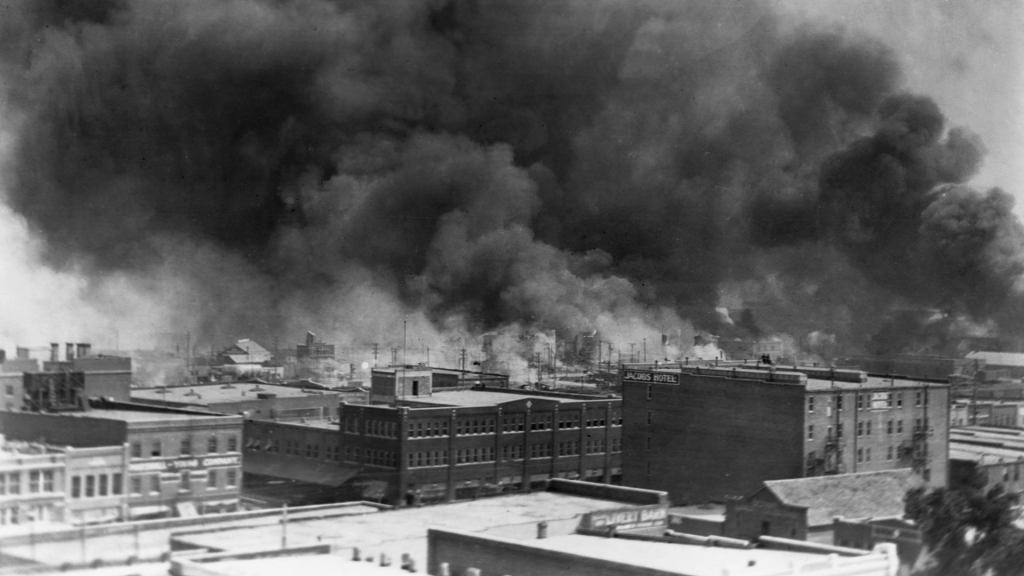
June 16, “The day of the African child”, This day marks an important moment in the history of Africa, tragic but historic nonetheless, I saw it fitting to write about a “lesser known” tragedy ( lesser known, according to who you speak to) that happened over 100 years ago but still serves as stark reminder of how two tragedies can be so different but their causes so much similar at the same time. May 31st – June 1st 1921: The history of Tulsa Oklahoma reminds us about black excellence and the overwhelming agony that befell a community that only wanted to thrive. As a lifelong student and determined practitioner of finance, I understand why the people of Tulsa where determined to understand the power of economics and elevate their financial intelligence to secure a prosperous future that would last generations……a future that was burnt to ashes to ashes in a single night.
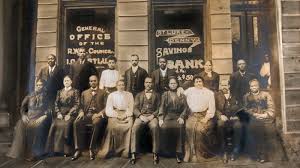
The Tulsa Oklahoma Stock Exchange stood as a symbol of economic growth and prosperity in the region. However, it is impossible to delve into the history and significance of the exchange without acknowledging the tragic events that unfolded in Tulsa’s Greenwood District—the Greenwood Massacre of 1921. This article aims to provide a comprehensive overview of the Tulsa Oklahoma Stock Exchange, exploring its establishment, growth, and subsequent decline, as well as shedding light on the devastating impact of the Greenwood Massacre.
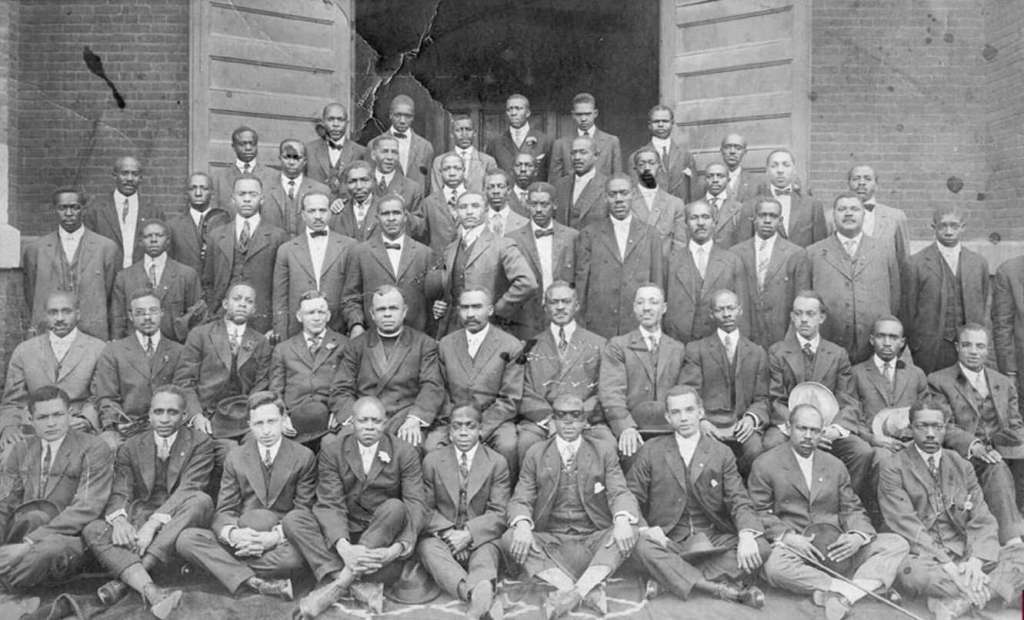
The early economic development of Tulsa, driven by its oil-rich resources, set the stage for the establishment of the stock exchange. As Tulsa emerged as a commercial and industrial hub, there was a growing need for a centralized platform to facilitate capital raising and investment activities.
The Tulsa Oklahoma Stock Exchange was created to fulfill this need, bringing together a group of visionary founders. These pioneers recognized the potential of a local exchange to attract both regional and national investors, channeling capital into the thriving businesses and industries of Tulsa.
The exchange witnessed a period of remarkable growth and success. Its operations expanded, offering a wide range of services to meet the evolving needs of investors and businesses. The number of listed companies increased, creating a diverse portfolio of investment opportunities. This growth in listings and trading volumes reflected the confidence investors had in the region’s economic prospects.
The Tulsa Oklahoma Stock Exchange, or black wallstreet as it was called, played a crucial role in stimulating the local economy. It facilitated capital formation, enabling businesses to access funds for expansion, research and development, and acquisitions. The exchange also provided a platform for investors to participate in the region’s growth, generating wealth and employment opportunities.
However, like many regional stock exchanges, the Tulsa Oklahoma Stock Exchange faced challenges as the financial industry evolved. Changes in technology, market dynamics, and regulatory requirements impacted the viability of smaller exchanges. Despite these challenges, the exchange continued to adapt and explore innovative approaches to remain relevant and competitive.
The establishment and growth of the Tulsa Oklahoma Stock Exchange stand as a testament to the entrepreneurial spirit and determination of the region. Through its existence, the exchange has played a pivotal role in driving economic development, attracting investments, and creating opportunities for black owned businesses and individuals.
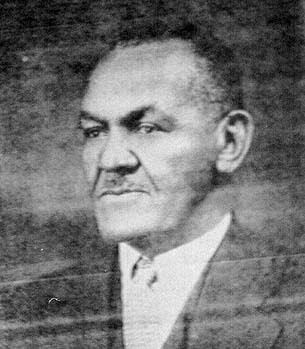
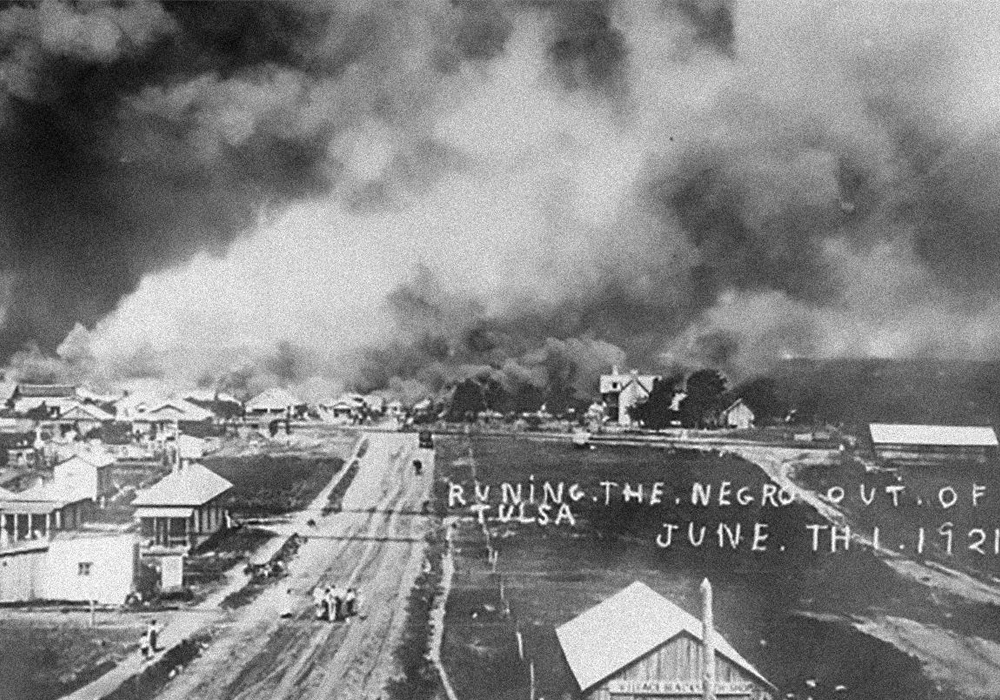
In the early hours of that cold June morning, all that was built was gone, let us explore why and how lifelong dreams of the people of Tulsa, Oklahoma faded into night. The Tulsa race massacre in Greenwood, also known as the Tulsa race riot, occurred in 1921 and was a devastating event fueled by a combination of racial tensions, economic jealousy, and deep-seated racism. The thriving African American community of Greenwood, often referred to as “Black Wall Street,” was seen as a symbol of economic success and prosperity, which engendered envy and resentment among some white residents. The catalyst for the massacre was the arrest and false accusations against a black man named Dick Rowland, which ignited a mob mentality and led to an armed confrontation between white and black residents. The violence that ensued resulted in the destruction of homes, businesses, and the loss of countless lives. The tragic event highlights the systemic racism and prejudice that permeated American society at the time, underscoring the urgent need for societal change and justice.
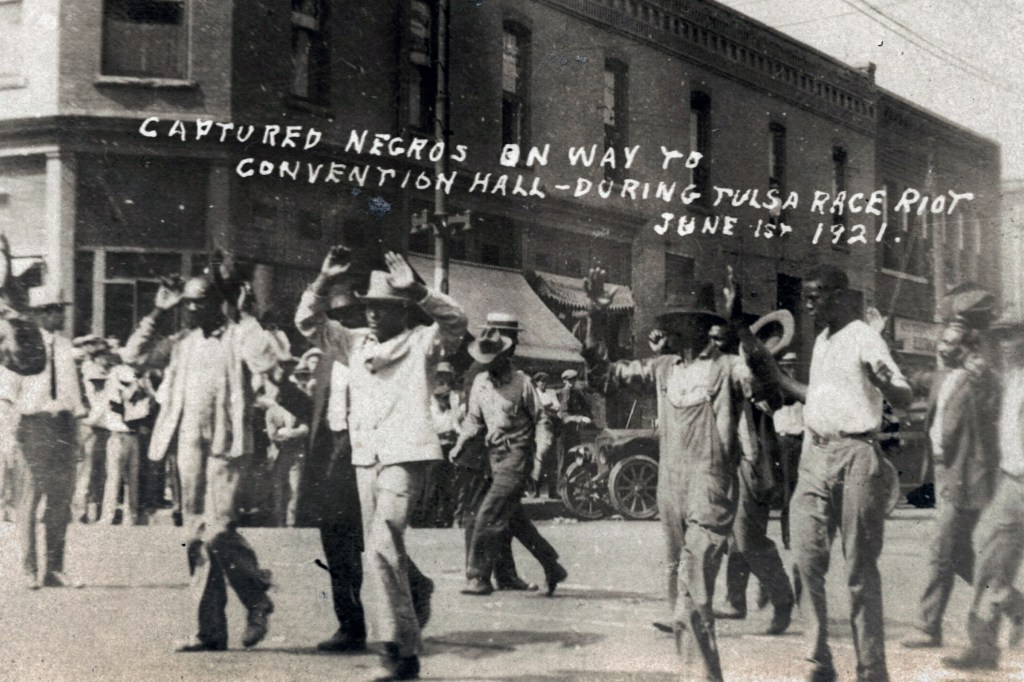
The Tulsa Oklahoma Stock Exchange stands a testament to the resilience of a city that has experienced both economic success and profound tragedy. While its early growth was marked by economic vitality, the devastating impact of the Greenwood Massacre brought about significant challenges. By acknowledging the massacre and fostering diversity and inclusion, the African American community continues to strive towards a more inclusive and prosperous future for people of all minorities and economic class
It is important to note that the Tulsa Race Massacre remains a topic of ongoing research and investigation, and efforts continue to uncover and document the full extent of the tragedy, including the number of lives lost.It is important to note that the Tulsa Race Massacre remains a topic of ongoing research and investigation, and efforts continue to uncover and document the full extent of the tragedy, including the number of lives lost.

 Finance Corner With Pelokgale