
By Kesaobaka Pelokgale
Zimbabwe, a country known for its stunning landscapes and rich cultural heritage, is making headlines with the introduction of a new currency backed by gold. But what does this mean for everyday Zimbabweans, and why is it important?
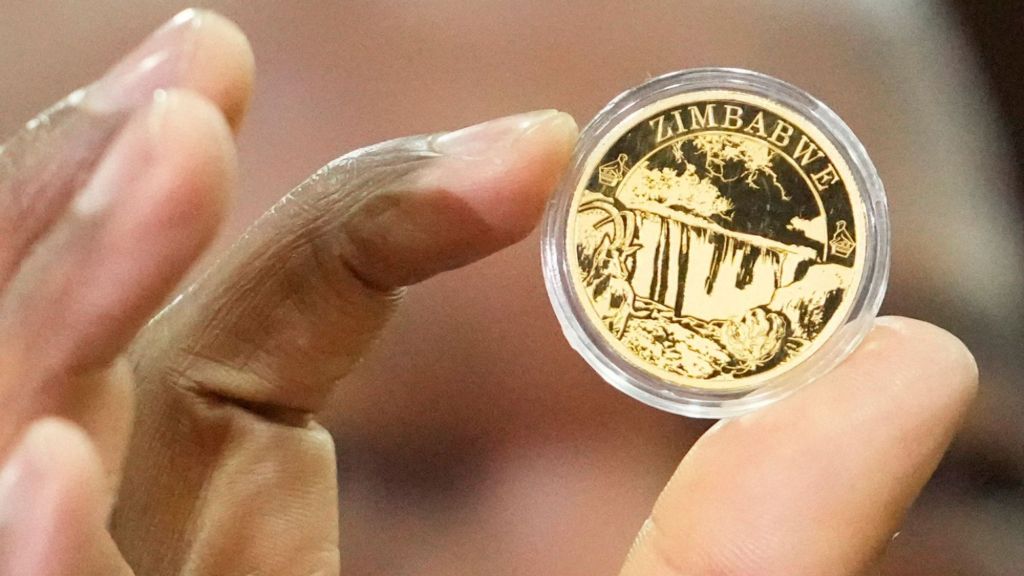
Understanding the Basics
Imagine you have a piggy bank where you keep your savings. Now, instead of just putting money in there, you also have a shiny piece of gold. That gold adds value and stability to your savings because even if the value of paper money fluctuates, gold tends to hold its worth over time. That’s essentially what Zimbabwe is doing with its new currency.
For many years, Zimbabwe has struggled with high inflation rates, meaning prices for goods and services go up rapidly, making it harder for people to afford the basics of life. This new gold-backed currency is a bold move by the government to try and stabilize prices and improve the economy.
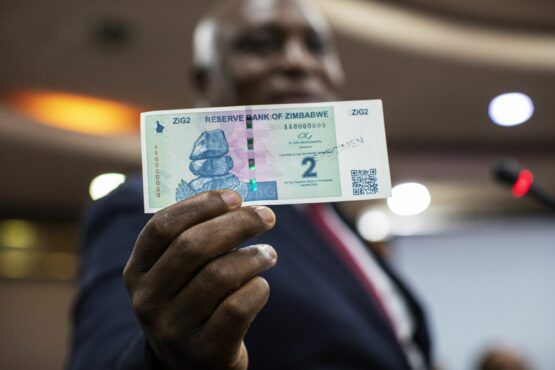
What’s Changing?
Firstly, there’s a time limit. People have 21 days to swap their old money for the new gold-backed currency. This ensures a smooth transition and helps to get everyone on board with the new system.
Secondly, the new currency, called Zim Gold (ZiG), will be backed not just by gold, but also by foreign currencies and other valuable minerals. This diversification adds layers of security to the currency, making it more resilient to economic shocks.

For people in Zimbabwe and neighboring countries like Botswana, the new currency offers hope for brighter days ahead. A stable economy means more opportunities for employment, education, and healthcare, improving the quality of life for everyone. Botswana, as a neighbor, is closely watching Zimbabwe’s move. A stable currency in Zimbabwe could benefit the entire region by boosting trade and investment opportunities. This means more jobs, better infrastructure, and increased prosperity for people across borders.
While there’s excitement about the potential benefits of the new currency, there are also concerns. Some worry that there might not be enough gold and other reserves to fully back the currency, or that the value could be affected by changes in the global gold market.

Despite the challenges, there’s hope that this new currency could be a step towards a stronger and more stable economy for Zimbabwe. By backing their money with valuable assets like gold, the country is signaling its commitment to rebuilding trust in its financial system and improving the lives of its people.

Zimbabwe’s new gold-backed currency is a significant development with the potential to bring positive change to the country’s economy. While there are challenges ahead, there’s also optimism that this move will pave the way for a brighter future for all Zimbabweans.

 Finance Corner With Pelokgale