
By Kesaobaka Pelokgale

In recent years, corporate governance and ethics have become increasingly important in Sub-Saharan Africa as the region continues to experience significant economic growth and development. Ensuring that businesses operate with high standards of governance and ethical behavior is critical to sustaining this progress, attracting investment, and fostering inclusive development.
As Sub-Saharan Africa emerges as a hub of economic activity, the spotlight on corporate governance and ethics intensifies. This article delves into the crucial role these principles play in shaping the business landscape of the region and why their adherence is paramount for its continued advancement.
Let’s explore how the integration of robust corporate governance practices and ethical behavior not only bolsters the credibility of businesses but also underpins sustainable growth and fosters a culture of accountability and transparency.
What is Corporate Governance?
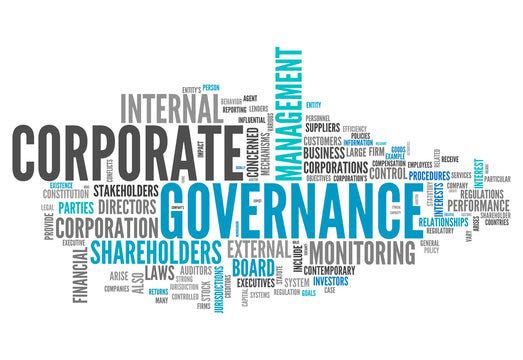
Corporate governance refers to the system by which companies are directed and controlled. It encompasses the mechanisms, processes, and relations used by various parties to control and to operate corporations. These include the distribution of rights and responsibilities among different participants in the corporation (such as the board of directors, managers, shareholders, creditors, auditors, regulators, and other stakeholders) and the rules and procedures for making decisions in corporate affairs. Corporate governance provides the structure through which company objectives are set, and the means of attaining those objectives and monitoring performance.
The Importance of Corporate Governance and Ethics
Economic Growth and Investment
Good corporate governance and ethical practices enhance the credibility and reputation of businesses, making them more attractive to investors. Transparency, accountability, and effective risk management practices reassure both local and international investors about the stability and sustainability of businesses in the region.
Sustainability and Development
Strong governance frameworks and ethical conduct contribute to sustainable development by promoting responsible business practices. This includes respecting environmental standards, upholding human rights, and engaging with local communities. In Sub-Saharan Africa, where many countries are rich in natural resources, sustainable and ethical exploitation of these resources is crucial for long-term prosperity.

Key Elements of Corporate Governance in Sub-Saharan Africa
Board Composition and Independence
A balanced and independent board of directors is essential for effective governance. There is a growing recognition of the need for boards to include independent directors who can provide objective oversight and mitigate conflicts of interest. However, finding qualified and independent directors can be challenging in some countries due to limited pools of experienced professionals.
Stakeholder Engagement
Engaging with a broad range of stakeholders, including employees, customers, suppliers, and local communities, is critical. Businesses in the region are increasingly adopting inclusive approaches to stakeholder engagement, recognizing that addressing the concerns and expectations of diverse groups can enhance their social license to operate and support long-term success.
Transparency and Disclosure
Transparency in financial and non-financial reporting builds trust with stakeholders. In Sub-Saharan Africa, efforts are being made to improve transparency and disclosure practices. This includes adherence to international financial reporting standards and increased emphasis on disclosing environmental, social, and governance (ESG) metrics.
Risk Management
Effective risk management is vital in a region where businesses often face unique challenges, such as political instability, economic volatility, and infrastructure deficits. Companies are focusing on identifying and mitigating risks through comprehensive risk management frameworks, which help ensure resilience and continuity.

Ethical Challenges and Opportunities
Corruption!!
Corruption remains a significant challenge in Sub-Saharan Africa, undermining governance and ethical standards. Businesses must navigate complex environments where corrupt practices can be pervasive. Combating corruption requires a firm commitment to ethical behavior, supported by robust anti-corruption policies and practices.
Corporate Social Responsibility (CSR)
Corporate social responsibility is gaining traction in the region. Companies are increasingly recognizing their role in contributing to social and economic development. Effective CSR initiatives can enhance a company’s reputation, build stronger community relationships, and create a more favorable operating environment.
Regulatory Environment
The regulatory landscape in Sub-Saharan Africa is evolving, with many countries strengthening their corporate governance and ethical frameworks. Governments and regulatory bodies are introducing new laws and regulations aimed at improving business practices, protecting investors, and promoting transparency. However, enforcement remains inconsistent, and businesses must navigate varying regulatory requirements across the region.
Technological Advancements
The rapid adoption of technology presents both opportunities and challenges for governance and ethics. On one hand, technology can enhance transparency, improve stakeholder engagement, and streamline compliance processes. On the other hand, it introduces new ethical dilemmas, such as data privacy concerns and the need for robust cybersecurity measures.

Corporate governance and ethics are critical to the continued growth and development of businesses in Sub-Saharan Africa. As the region integrates more deeply into the global economy, adopting and upholding high standards of governance and ethical behavior will be essential for attracting investment, fostering sustainable development, and ensuring long-term success. Companies must remain vigilant and proactive, continuously adapting to emerging challenges and opportunities to build trust and create value for all stakeholders.
By prioritizing these principles, Sub-Saharan Africa can not only enhances its economic landscape but also set a global example for responsible and sustainable business practices.

 Finance Corner With Pelokgale