
By Kesaobaka Pelokgale
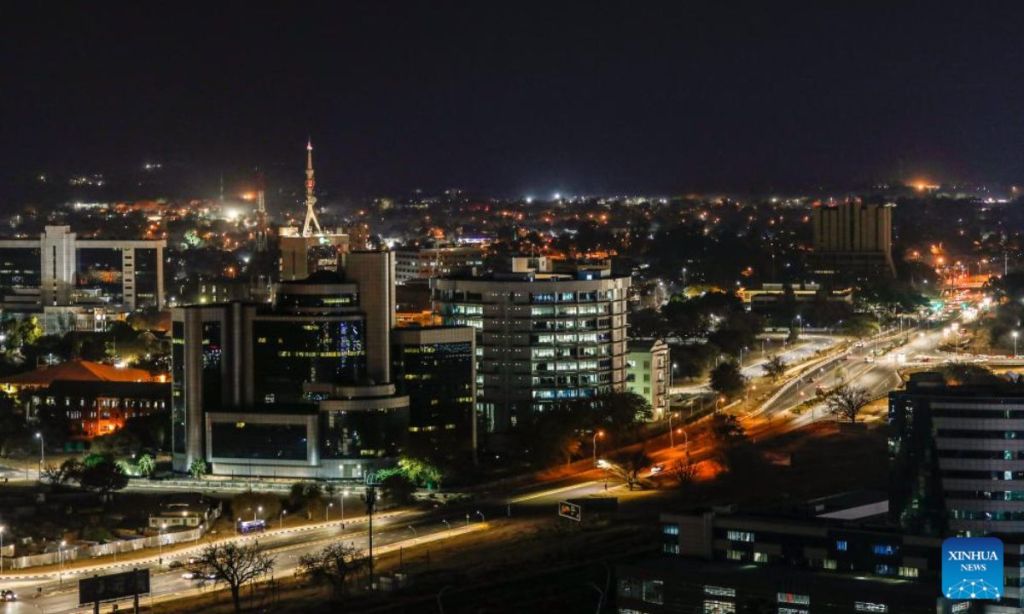
Botswana’s economy has long been celebrated as one of Africa’s great success stories. Fuelled by diamonds and bolstered by prudent fiscal management, our country has enjoyed decades of stability and growth. But beneath this polished exterior lies a growing sense of urgency. Recent economic challenges, high unemployment, inflationary pressures, and slow progress in diversification are exposing the consequences of questionable decisions made in the past.
As we stand at this critical juncture, it’s time to reflect on where we’ve been, acknowledge our missteps, and chart a new course for the future.

The Legacy of Diamonds: A Double-Edged Sword
Botswana’s diamond wealth has been both a blessing and a curse. While it has built infrastructure, funded education, and provided a buffer against economic shocks, it has also created a dependency that now leaves the economy vulnerable and at risk of fluctuations within the global market. As diamond prices are influenced by international demand, any downturn can trigger significant economic challenges for the nation.
For years, experts have called for diversification to reduce reliance on diamonds, with many highlighting the importance of exploring alternative sources of revenue that can offer more stability. And while some progress has been made in tourism, financial services, and agriculture, these sectors have not grown fast enough to fill the gap left by diamonds. In addition to this slow growth, the challenges that these sectors face, such as infrastructure deficits and limited marketing, pose significant obstacles. The reality is that diversification has often been more of a talking point than a fully realised strategy, leading to concerns about the sustainability of Botswana’s long-term economic outlook.

Questionable Decisions and Missed Opportunities
Some of the challenges Botswana faces today stem from decisions or, in some cases, indecision on key areas:
1. Infrastructure Development Delays
While Botswana has invested heavily in infrastructure, many projects have suffered from delays, cost overruns, or inefficiencies that plague effective execution. Gaps in areas like water security and energy production have constrained economic growth and created unnecessary vulnerabilities, severely impacting industries reliant on reliable supply.
2. Underutilisation of Human Capital
Botswana’s youth unemployment rate is one of the highest in the region, hovering around 35%. For a country with a well-educated population, this is a glaring issue that highlights a misalignment between the skills of the labour force and the needs of the job market. Many government programs aimed at addressing unemployment have failed to align with the skills demanded by the private sector, leaving graduates stranded without opportunities and resulting in a brain drain as talented individuals seek roles abroad.
3. Inefficiencies in Government Spending
While Botswana’s public debt remains manageable, concerns about the efficiency of government spending are growing as more scrutiny is directed at underperforming sectors. Significant funds are directed toward subsidies and underperforming state-owned enterprises, often with little accountability, causing concern among citizens and stakeholders alike. This drains resources that could be better used to invest in innovation and growth sectors, essential for refreshing the economy.
4. Slow diversification efforts
Opportunities in renewable energy, technology, and agribusiness remain underexplored, even though these industries have the potential to drive growth and create jobs in a sustainable manner. The lack of strategic investment in these areas, coupled with bureaucratic red tape and a lack of urgency, has hampered progress in these sectors significantly.
The Current Climate: A Snapshot of Challenge
These past decisions are now coming home to roost, as evidenced by several pressing economic issues:
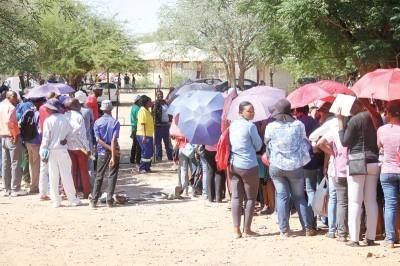
High Unemployment: Botswana’s job market struggles to absorb the growing youth population, creating widespread disillusionment and contributing to social unrest as young people seek opportunities that are out of reach.
Rising Inflation: Dependence on imports, particularly for food and energy, has exposed the country to external price shocks, pushing up the cost of living and creating greater economic disparity.
Limited Economic Resilience: The economy’s vulnerability to global diamond demand underscores the need for stronger, more diversified revenue streams, especially in a time when economic conditions are becoming more volatile and unpredictable.

A Path Forward: Turning Challenges Into Opportunities
Despite these challenges, Botswana’s potential remains immense. The recent change in government has brought renewed focus on addressing these pressing issues with fresh policies aimed at fostering economic resilience. The new administration has expressed a commitment to diversification strategies, seeking to harness the country’s natural resources and human capital more effectively. The country’s recent adjustment to the Pula exchange rate framework is a positive step, signalling a willingness to adapt and compete in a globalised economy. But more comprehensive measures are needed to truly shift the trajectory of the economy, enabling it to harness fully the capabilities of its citizens and natural resources.
1. Fast-track Diversification
Botswana needs bold, decisive action to expand into new industries that are less susceptible to external fluctuations. Renewable energy, for instance, is an area where the country has natural advantages,abundant sunlight and land, offering immense potential for growth. Similarly, investing in technology and innovation could position Botswana as a leader in the digital economy, allowing it to tap into global markets and create sustainable jobs.
2. Invest in People
Education and training must be aligned with market demands to equip the youth with relevant skills. Programs that focus on upskilling and entrepreneurship can empower young people to act as catalysts for economic growth. Instead of relying solely on government-led initiatives, fostering partnerships with the private sector will be key to ensuring that practical experiences and mentorship are available to the youth.
3. Streamline Government Spending
Efficiency and accountability should be at the core of public spending practices. Resources must be directed toward projects and industries with high growth potential while underperforming initiatives are re-evaluated or phased out for better allocation of national resources. This shift can enhance the public’s trust in government capacity to stimulate economic progress.
4. Leverage global trends
Botswana must embrace emerging global trends, such as green technology and AI, to create a competitive advantage. By investing in these areas, the country can attract foreign investment, which in turn can generate jobs in high-growth sectors and foster an economy that thrives in innovation and creativity.

A Time for Reflection and Renewal
Botswana has a proud history of economic success, but resting on past laurels is no longer an option. The cracks in our economic foundation are clear, and the decisions we make today will determine whether we emerge stronger or fall further behind the global curve.
This is a moment for bold leadership; a chance to confront uncomfortable truths about our past decisions and commit to a future that is innovative, inclusive, and sustainable. With the fresh perspectives brought in by the new government, Botswana has the resources, the talent, and the resilience to rise to the challenge. What’s needed now is the vision and courage to make it happen, ensuring that all voices are heard in the process of nation-building.
The past has brought us here, but the future is ours to shape. Let’s seize this opportunity to build an economy that reflects the potential of our diverse populace and secures prosperity for generations to come, forging a path that moves beyond dependency, fostering empowerment and self-sufficiency.

 Finance Corner With Pelokgale