
By Kesaobaka Pelokgale
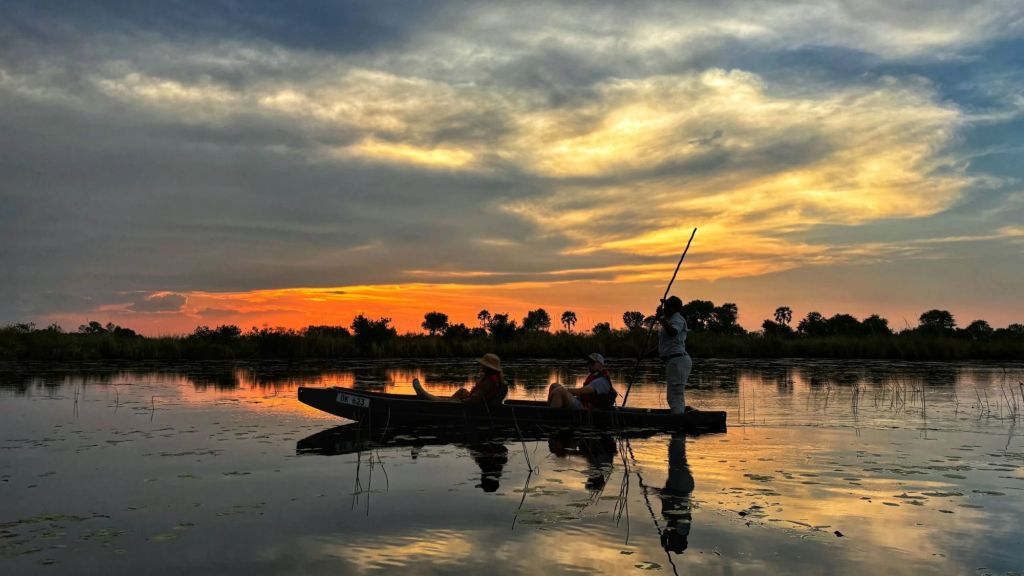
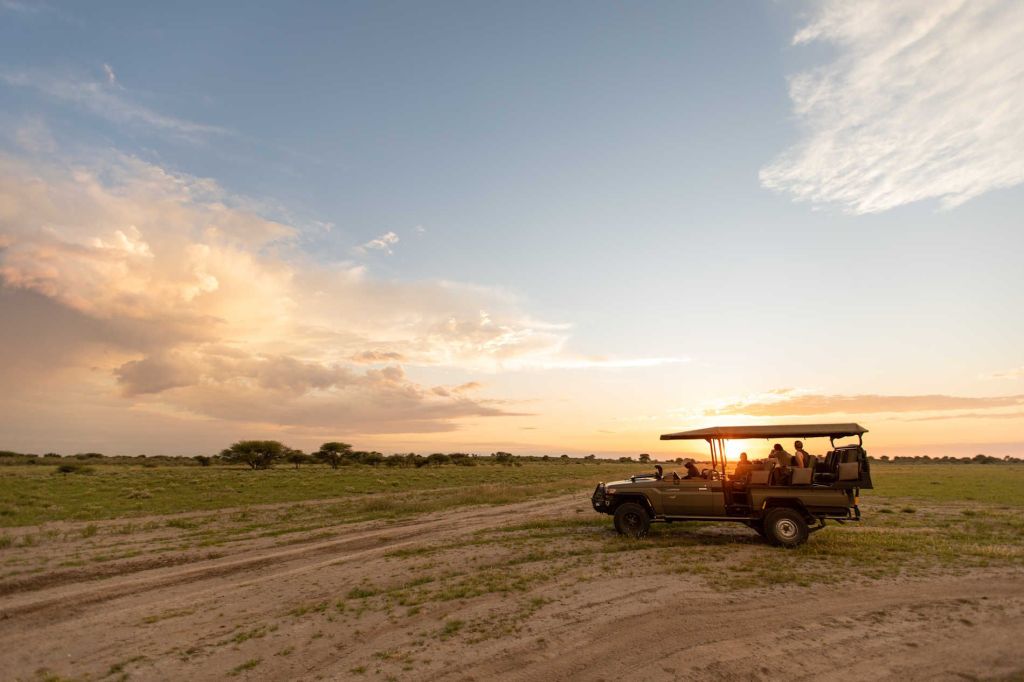
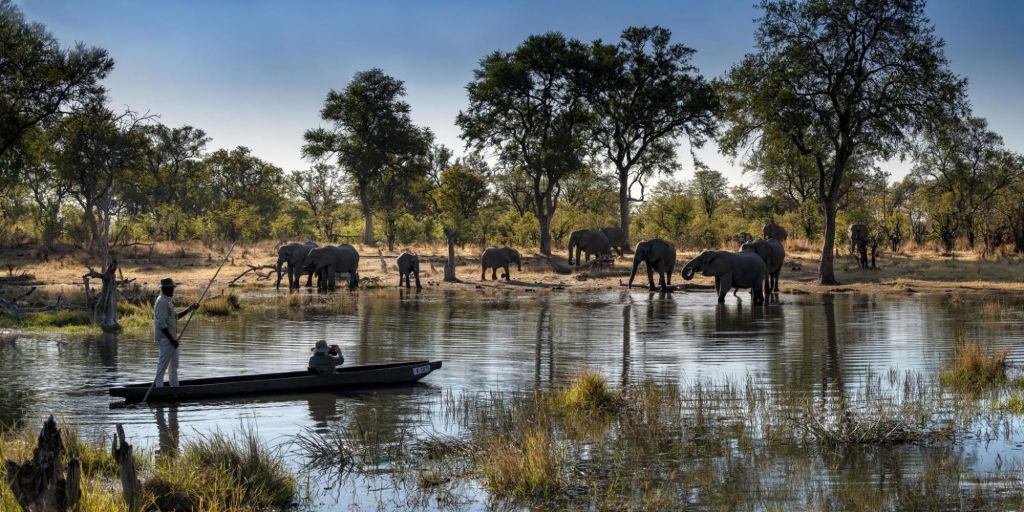
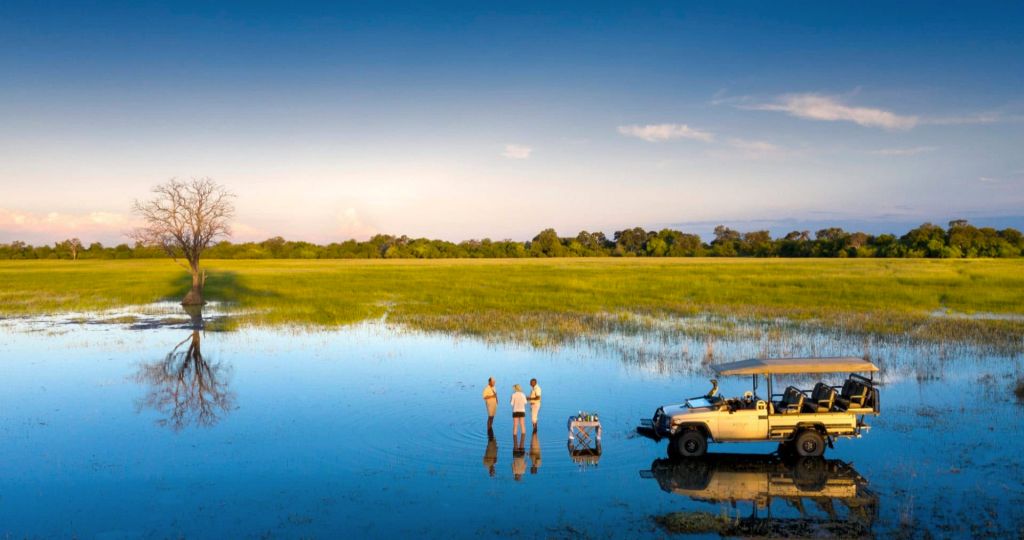
In the belly of Botswana’s tourism economy, where luxury tents rise higher than classrooms and safari trucks pass more frequently than ambulances, lies a truth too many pretend not to see. Behind the roaring lions, the champagne sunsets, and the billion-pula industry, there exists a promise made to our people. A promise carried by names like Sankuyo, Khwai, Mababe, Okavango, and Chobe Enclave, community trusts born from a vision: “to ensure that the land, the animals, and the revenue they produce would finally feed more than just the tourism elite.”
These trusts were meant to be the bridge between rural life and national prosperity. The idea was beautiful, empower the very communities coexisting with wildlife, make them custodians of both ecology and economy, and let tourism fund development where government budgets rarely reach. A moral economy, rooted in justice, stewardship, and equity.
And yet, today, most Batswana cannot tell you what a community trust does. Many living within these communities have never seen a balance sheet, never attended an AGM, and never questioned why their children’s school still has pit latrines while tourists pay thousands of U.S dollars per night next door. That silence is not by accident. It is by design.
The Illusion of Empowerment
On paper, community trusts are among the most radical tools of empowerment ever imagined on African soil. They were designed to shift the power dynamic, to give the community not just a seat at the table, but the right to own the table itself. But somewhere between legislation and implementation, empowerment became ceremonial.
The language of “community ownership” is everywhere, in reports, in contracts, in speeches. But ownership, in practice, requires control. And most communities have little or no control over how their trust is run, how funds are spent, or who represents them. Leadership selection processes are often opaque. Voting is limited to a select few. Financial reports, if they exist at all, are unreadable to the average person or never shared. The result? A trust structure that promises empowerment but delivers dependency. A system where the community claps on cue, but never gets to speak.
There is something especially cruel about being told you own something you can’t touch.
The Collapse of Trust (Literally and Figuratively)
The word trust is sacred. It implies belief, reliability, a contract of honor between parties. But in many cases, community trusts have collapsed that belief. Not through one dramatic theft, but through a thousand small fractures, delayed reports, missing funds, unfulfilled projects, years of “planning” that never materialize into development.
Financial mismanagement isn’t always dramatic. Often, it’s subtle: vehicles bought for “operations” but used for personal errands. Travel allowances that exceed the value of the projects being reviewed. Contractors paid for work no one checks. Board members who travel to tourism expos in foreign countries while villagers wait for basic infrastructure. These practices bleed the trust dry while giving the illusion of activity.
Over time, even well-meaning leaders become defensive, gatekeeping knowledge instead of sharing it. Transparency becomes a threat. Accountability, an inconvenience. And the trust, the thing meant to uplift, becomes just another institution the community no longer believes in.
The Weaponization of Ignorance
Perhaps the most sinister failure is not financial, but educational. The fact that most Batswana, across rural and urban divides, have no idea what a community trust is, how it operates, or what rights they have within it, is not a coincidence. It’s strategy.
By keeping financial reports complicated, governance structures vague, and meetings exclusive, communities are locked out of the very systems created for them. And when people are uninformed, they are easier to appease. A gift here. A promise there. An announcement that a “feasibility study” is underway. Hope is dangled just long enough to prevent outrage, and ignorance becomes the currency that sustains a broken structure.
The tragedy here is that our people are not incapable. They are just uninformed, deliberately so. In a country as educated and resource-rich as Botswana, that’s an indictment of the system, not the people.
When Accountability Becomes Taboo
The power of accountability is that it asks questions no one wants to answer. And in many communities, to ask those questions is to be labeled a troublemaker. You will be told you are dividing the community. That you are envious. That you are working with outsiders to destroy something sacred.
So, people stop asking. They stop attending meetings. They stop reading the notices. They grow disillusioned. And the silence is interpreted as approval.
But let’s be clear: silence is not consent. It is exhaustion. It is the heavy sigh of a people who have been promised too many times, and seen too little. When leaders no longer fear the people’s questions, they forget who they serve.
Reclaiming the Promise
Community trusts can still work. They are not inherently flawed. In fact, when run with integrity, they remain one of the most promising models of grassroots economic development anywhere in Africa.
But to reclaim that promise, we must first confront the truth. These trusts are not failing because of a lack of resources. They are failing because of a lack of will, a lack of integrity, and a lack of accountability.
We need independent audits that are accessible to the community. We need AGMs where real questions are asked and answered. We need youth involved, not just as observers, but as participants with voting rights and leadership potential. We need to de-politicize trust boards and replace tokenism with training.
And perhaps most of all, we need to return to the very reason these trusts were formed: to serve the people. Not the board. Not the consultants. Not the safari operators. The people.
A community trust is more than an institution. It is a covenant, a sacred agreement between the people, the land, and their future.
If that covenant is broken, we are not just losing money. We are losing hope. We are raising generations who see tourism not as opportunity but as exploitation. Who believe that development is something that happens elsewhere. Who are taught, by silence and inaction, that nothing ever really changes.
But that does not have to be our legacy. We can still rewrite this story. We can still demand better. Not by asking politely, but by insisting, relentlessly, that trust must be earned, and if broken, rebuilt.
Because if a trust cannot be trusted, then what are we even building?

Author’s Note
“I’ve worked in the safari industry. I still do. I’ve seen the beauty it brings and the billions it moves. But I’ve also seen what doesn’t get talked about, the broken boreholes, the empty promises, the leaders who forget why they were chosen. This isn’t an outsider’s rant. It’s an insider’s reckoning. I write this not out of anger, but out of duty. Because I know what this industry could be if it truly served the people who live with the land, not just those who profit from it.'”

 Finance Corner With Pelokgale