By Kesaobaka Pelokgale
The question is no longer, “What went wrong?” We’ve heard the answers whispered in villages, mumbled in boardrooms, and echoed through stalled projects. Now, we ask something harder: “What must we do to fix it?“
This piece is not about pointing fingers, that part has been made clear enough on who the guilty parties are. It’s about extending hands, toward community leaders, trust boards, youth, partners, and policymakers who still believe in the idea that development can be dignified, inclusive, and lasting.
Community trusts in Botswana still hold potential, not just as financial entities, but as vessels for transformation. But to unlock that potential, we must be willing to reimagine how they function, who they serve, and how success is measured. This is a call to courage, not criticism. And courage begins with clarity.
We have discussed in detail on what is wrong in part 1. If you’re ready, let’s rebuild. But how do we do that ? This is the focus of our follow up article
1. Demystify the Trust: Make It Understandable to the People
Too many of our people sit through AGMs like shadows in the back of a hall, present, but excluded. The trust speaks in a language they did not choose. The reports are printed in English. The minutes are buried in filing cabinets. The power, locked behind unfamiliar terms. This is no accident. It is a strategy of control masquerading as procedure.
What must change?
• Translate all trust documents into Setswana and local dialects.
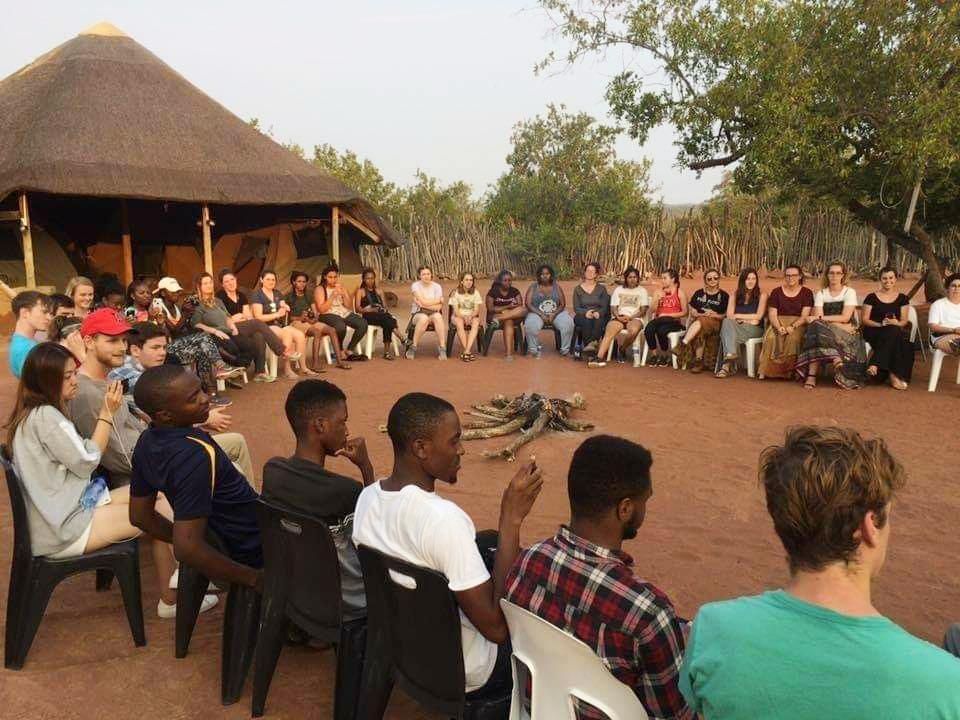
• Host regular “kgotla-style” forums to explain finances in plain terms.
• Replace exclusionary AGMs with public dialogues, where the board must listen.
When people understand what belongs to them, they stop asking for permission. They begin to demand accountability.

2. Audit, Then Clean House
The failure is rarely loud. It’s not some smoking gun. It’s a water tank that never arrives. A classroom project that never finishes. A payment to a cousin’s business. A board member who says, “It was approved,” but never explains by whom.
This is the rot, not dramatic theft, but a slow hemorrhaging of integrity.
Again we ask, what must change?
• Make independent audits mandatory, readable, and publicly posted.
• Set term limits, no more permanent chairs, no sacred cows.
• Introduce citizen-led evaluation panels to track performance.
No one should lead the poor without the burden of proof.
3. Bring Youth and Skills into the Boardroom
Our villages are overflowing with graduates, dreamers, thinkers, and problem solvers. But they are rarely called. Instead, we rotate the same names through committees like furniture, aging, creaking, and immovable.
Wisdom must lead. But not alone. Not forever.
What must change?
•Legally reserve board seats for youth and women.
•Offer mandatory training in financial governance and development strategy.
•Partner with universities to create a pipeline of capable community leaders.
Leadership must not be inheritance. It must be earned, sharpened, and accountable.
4. Turn Trusts into Development Engines, Not Just Revenue Collectors
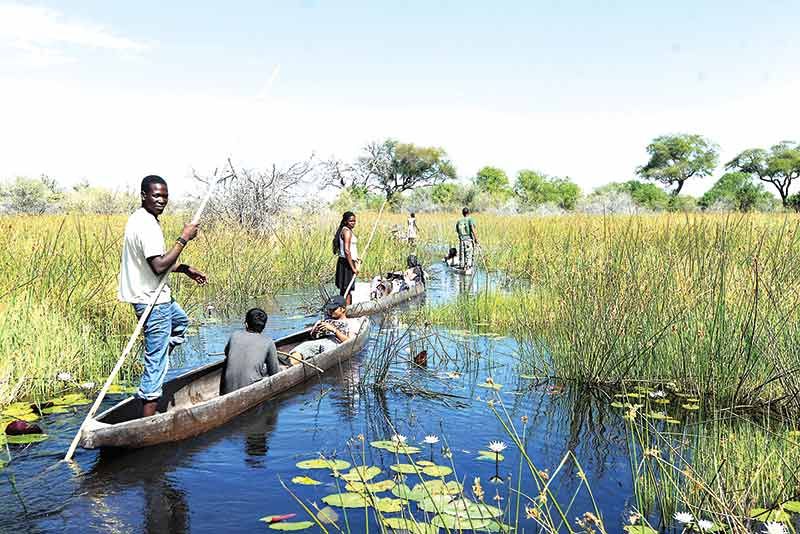
We have watched trusts survive off concession fees and leases, while schools nearby crumble. We have seen safari companies flourish while villagers wait for tenders that never come. This is not misfortune. It is misdesign.
What must change?
• Launch trust-owned social enterprises, campsites, beekeeping, craft centers.
• Allocate at least 60% of funds to visible, essential development.
• Require each trust to draft, and publicly commit to, a 5-year development roadmap.
A trust with no visible impact is not asleep. It is complicit.
5. Hold Public Leadership Accountable, Ritually
In most of these villages, trust board members are spoken of like ministers. Untouchable. Unquestionable. That is not leadership. That is monarchy. True leadership begins and ends with the people.
What must change?
• Hold quarterly public reviews of trust performance.
• Establish a “Community Recall Clause” to remove inactive or unethical board members.
• Replace secretive procurement with publicly vetted tenders.
If the people cannot correct the course, then they never had the wheel.

6. Strengthen Partnerships Without Losing Ownership
Too often, the biggest buildings in trust land are owned by outsiders. The best jobs go to strangers. The real decisions are made in boardrooms far away. And when the community dares to ask, they’re told: “You signed the agreement.”
But consent without knowledge is not consent. It’s exploitation in formal wear.
What must change?
• Insist on majority community control in all partnerships.
• Have all contracts reviewed by independent legal professionals.
• Track and publish benefit-sharing outcomes from every major deal.
Do not clap for a partnership that leaves your children behind.
7. Make Development Visible, Consistently
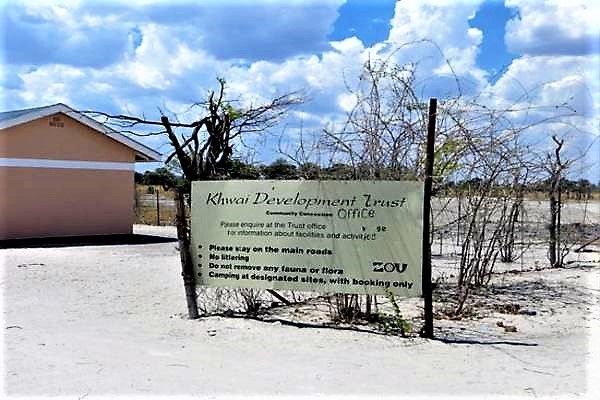
Trust is not built in announcements. It is built in the muddy foundations of a new borehole. The roof fixed at the school. The medicine delivered to a clinic. These are the signs of integrity. And if they are not seen, they are not real.
What must change?
• Publish annual impact reviews with names, places, faces.
• Host village celebrations for completed projects, big or small.
• Use community radio and art to showcase development.
If your people cannot name what the trust has built, then you have not built anything at all.

Reclaiming What Was Meant for Us
Let us say it plainly: community trusts are not dead. They have simply been starved, of clarity, of leadership, of love. But anything starved can be fed. Anything lost can be remembered.
This is not about blame. It is about legacy. Because our children will inherit what we tolerate. And if we want to pass on pride instead of poverty, then we must act, not with slogans, but with structure.
We rebuild by being honest. We rebuild by making space. We rebuild by refusing to clap for mediocrity when justice is possible.
This is the work. This is the moment. And history will ask what we did when we knew.
Authors Note
Why This Matters So Much to Me
“I was raised in a Botswana where stories of land and heritage shaped our mornings, and where the word “community” meant something sacred. Later, I found myself working inside an industry built on that same land, one that trades in the wonder of our wilderness, but often forgets the people who breathe life into it.
This matters to me because I’ve seen both sides. I’ve worn the suit, attended the meetings, reviewed the budgets. But I’ve also stood in villages where promises echo louder than progress. Where the trust meant to be a lifeline has become a locked box, and no one knows who holds the key.
I don’t write this as an outsider. I write this as someone still in it, someone who believes that we can serve both conservation and community, but only if we are brave enough to stop pretending everything is fine.
I write this because I owe it to the child I was, the professional I’ve become, and the country I love.“
Call to Action
If you are a board member, step up. If you are a villager, speak up. If you are a policymaker, show up.
Because this was never a favour. It was always ours. And it’s time we reclaimed it.

 Finance Corner With Pelokgale