“Cooperatives exist not because money is scarce, but because understanding is rare.”
Botswana has long celebrated the idea of community. From shared water wells to local savings groups, our collective spirit is woven into the fabric of society. Nowhere is this more visible than in our cooperatives. These institutions, often small, sometimes fragile, are a lifeline for communities where formal banks hesitate to tread. They are meant to be engines of inclusion, trust, and shared prosperity.
And yet, time and again, they falter. They collapse, disband, or quietly sputter along, leaving behind disappointed members and the faint echo of lost promise. It is tempting to dismiss these failures as unfortunate, as a simple consequence of human error. But the truth is deeper, more structural, and far more revealing about the state of finance and governance in Botswana.
“In every community, the cooperative is the heartbeat of ambition that formal finance ignores.”
Why Cooperatives Still Matter
Despite recurring failures, cooperatives endure. They are not relics; they are survival tools. In many villages and towns, they remain the only reliable channel for loans, savings, and financial participation. Banks may demand impeccable credit histories, collateral, or digital footprints, but communities demand understanding, empathy, and trust. Cooperatives bridge this gap.
For teachers, civil servants, small-scale farmers, and tourism-adjacent workers, these institutions are more than just financial mechanisms,they are lifelines. They represent the hope that collective effort, guided by shared values, can create opportunities otherwise inaccessible in Botswana’s formal economy.
“When structures are weak, even the noblest intentions crumble.”
The Uncomfortable Truth: Failures Are Structural
Cooperatives fail not because of bad luck, nor solely because of poor leadership. They fail because systems are weak. Across districts and sectors, patterns repeat: boards without financial literacy, AGMs that are attended in formality but not in function, loan policies written on the back of envelopes. Even when funding flows, it often strengthens the fragile structures instead of fixing them.
In short, money alone cannot save what is inherently unstable. The failures are systemic, embedded in governance, culture, and capacity. Understanding this is uncomfortable, but it is necessary. Without confronting these truths, we risk repeating the same mistakes, cycle after cycle.
“Good intentions cannot replace clear rules, and social ties cannot substitute accountability.”
Governance: The Quiet Killer
The most persistent flaw is governance. Social connections often outweigh fiduciary duty. Decisions are guided by relationships, not rules. Boards are populated with well-meaning individuals who lack training in risk management, financial reporting, or accountability. Member oversight exists in theory, not in practice.
Annual general meetings become ritual rather than recourse. Members vote, leaders are elected, and yet the books remain opaque. This is not negligence, it is the natural outcome of underdeveloped systems meeting real human ambition.
“Growth without discipline is fragility in disguise; the bigger they get, the easier they break.”
When Cooperatives Outgrow Their Discipline
The irony is that growth, which should signal strength, often magnifies weakness. Loan books expand without credit risk frameworks. Savings accumulate without proper cash planning. Systems designed for a small group buckle under the weight of success. In these moments, a cooperative is no longer a simple community tool; it becomes a mini-bank, exposed and vulnerable, without the safeguards that banks employ by default.
The lesson is clear: without discipline, expansion becomes fragility. And in Botswana, this lesson is repeated far too often.
“The true strength of a cooperative lies not in its capital, but in the wisdom of its people and the structure that guides them.”
A Pause Before Solutions
Part I ends not with answers, but with observation. The challenge of Botswana’s cooperatives is not that they lack money, ambition, or good intentions. It is that they lack the financial maturity, governance structures, and disciplined culture necessary to protect the resources they already have.
In Part II, we will explore what can be done, how cooperatives can evolve from fragile hope into resilient institutions, and how members, boards, and finance professionals can each play their part in transforming promise into reality.
“When the foundation cracks, you don’t abandon the house, you rebuild it, stronger, wiser, and this time, with everyone holding a brick.”
The question is no longer, “What went wrong?” We’ve heard the answers whispered in villages, mumbled in boardrooms, and echoed through stalled projects. Now, we ask something harder: “What must we do to fix it?“
This piece is not about pointing fingers, that part has been made clear enough on who the guilty parties are. It’s about extending hands, toward community leaders, trust boards, youth, partners, and policymakers who still believe in the idea that development can be dignified, inclusive, and lasting.
Community trusts in Botswana still hold potential, not just as financial entities, but as vessels for transformation. But to unlock that potential, we must be willing to reimagine how they function, who they serve, and how success is measured. This is a call to courage, not criticism. And courage begins with clarity.
We have discussed in detail on what is wrong in part 1. If you’re ready, let’s rebuild. But how do we do that ? This is the focus of our follow up article
“A community cannot own what it does not understand.”
1. Demystify the Trust: Make It Understandable to the People
Too many of our people sit through AGMs like shadows in the back of a hall, present, but excluded. The trust speaks in a language they did not choose. The reports are printed in English. The minutes are buried in filing cabinets. The power, locked behind unfamiliar terms. This is no accident. It is a strategy of control masquerading as procedure.
What must change?
• Translate all trust documents into Setswana and local dialects.
• Host regular “kgotla-style” forums to explain finances in plain terms.
• Replace exclusionary AGMs with public dialogues, where the board must listen.
When people understand what belongs to them, they stop asking for permission. They begin to demand accountability.
“Without truth in the books, there can be no trust in the boardroom.”
2. Audit, Then Clean House
The failure is rarely loud. It’s not some smoking gun. It’s a water tank that never arrives. A classroom project that never finishes. A payment to a cousin’s business. A board member who says, “It was approved,” but never explains by whom.
This is the rot, not dramatic theft, but a slow hemorrhaging of integrity.
Again we ask, what must change?
• Make independent audits mandatory, readable, and publicly posted.
• Set term limits, no more permanent chairs, no sacred cows.
• Introduce citizen-led evaluation panels to track performance.
No one should lead the poor without the burden of proof.
“You cannot run the future with the same minds that buried the past.”
3. Bring Youth and Skills into the Boardroom
Our villages are overflowing with graduates, dreamers, thinkers, and problem solvers. But they are rarely called. Instead, we rotate the same names through committees like furniture, aging, creaking, and immovable.
Wisdom must lead. But not alone. Not forever.
What must change?
•Legally reserve board seats for youth and women.
•Offer mandatory training in financial governance and development strategy.
•Partner with universities to create a pipeline of capable community leaders.
Leadership must not be inheritance. It must be earned, sharpened, and accountable.
“A trust should not just receive, its mission is to multiply.”
4. Turn Trusts into Development Engines, Not Just Revenue Collectors
We have watched trusts survive off concession fees and leases, while schools nearby crumble. We have seen safari companies flourish while villagers wait for tenders that never come. This is not misfortune. It is misdesign.
What must change?
• Launch trust-owned social enterprises, campsites, beekeeping, craft centers.
• Allocate at least 60% of funds to visible, essential development.
• Require each trust to draft, and publicly commit to, a 5-year development roadmap.
A trust with no visible impact is not asleep. It is complicit.
“Power must return to the people who gave it, or it becomes a throne of lies.”
5. Hold Public Leadership Accountable, Ritually
In most of these villages, trust board members are spoken of like ministers. Untouchable. Unquestionable. That is not leadership. That is monarchy. True leadership begins and ends with the people.
What must change?
• Hold quarterly public reviews of trust performance.
• Establish a “Community Recall Clause” to remove inactive or unethical board members.
• Replace secretive procurement with publicly vetted tenders.
If the people cannot correct the course, then they never had the wheel.
“Collaboration should build, not replace.”
6. Strengthen Partnerships Without Losing Ownership
Too often, the biggest buildings in trust land are owned by outsiders. The best jobs go to strangers. The real decisions are made in boardrooms far away. And when the community dares to ask, they’re told: “You signed the agreement.”
But consent without knowledge is not consent. It’s exploitation in formal wear.
What must change?
• Insist on majority community control in all partnerships.
• Have all contracts reviewed by independent legal professionals.
• Track and publish benefit-sharing outcomes from every major deal.
Do not clap for a partnership that leaves your children behind.
“Change must not be promised. It must be proven.”
7. Make Development Visible, Consistently
Trust is not built in announcements. It is built in the muddy foundations of a new borehole. The roof fixed at the school. The medicine delivered to a clinic. These are the signs of integrity. And if they are not seen, they are not real.
What must change?
• Publish annual impact reviews with names, places, faces.
• Host village celebrations for completed projects, big or small.
• Use community radio and art to showcase development.
If your people cannot name what the trust has built, then you have not built anything at all.
“A broken system can either be buried or rebuilt. The difference is whether we still believe we deserve better.”
Reclaiming What Was Meant for Us
Let us say it plainly: community trusts are not dead. They have simply been starved, of clarity, of leadership, of love. But anything starved can be fed. Anything lost can be remembered.
This is not about blame. It is about legacy. Because our children will inherit what we tolerate. And if we want to pass on pride instead of poverty, then we must act, not with slogans, but with structure.
We rebuild by being honest. We rebuild by making space. We rebuild by refusing to clap for mediocrity when justice is possible.
This is the work. This is the moment. And history will ask what we did when we knew.
Authors Note
Why This Matters So Much to Me
“I was raised in a Botswana where stories of land and heritage shaped our mornings, and where the word “community” meant something sacred. Later, I found myself working inside an industry built on that same land, one that trades in the wonder of our wilderness, but often forgets the people who breathe life into it.
This matters to me because I’ve seen both sides. I’ve worn the suit, attended the meetings, reviewed the budgets. But I’ve also stood in villages where promises echo louder than progress. Where the trust meant to be a lifeline has become a locked box, and no one knows who holds the key.
I don’t write this as an outsider. I write this as someone still in it, someone who believes that we can serve both conservation and community, but only if we are brave enough to stop pretending everything is fine.
I write this because I owe it to the child I was, the professional I’ve become, and the country I love.“
Kesaobaka Pelokgale
Call to Action If you are a board member, step up. If you are a villager, speak up. If you are a policymaker, show up.
Because this was never a favour. It was always ours. And it’s time we reclaimed it.
“Promises made in the shadows of luxury tents echo like ghosts in the villages left behind, and where hope was meant to grow, silence took root instead.”
In the belly of Botswana’s tourism economy, where luxury tents rise higher than classrooms and safari trucks pass more frequently than ambulances, lies a truth too many pretend not to see. Behind the roaring lions, the champagne sunsets, and the billion-pula industry, there exists a promise made to our people. A promise carried by names like Sankuyo, Khwai, Mababe, Okavango, and Chobe Enclave, community trusts born from a vision: “to ensure that the land, the animals, and the revenue they produce would finally feed more than just the tourism elite.”
These trusts were meant to be the bridge between rural life and national prosperity. The idea was beautiful, empower the very communities coexisting with wildlife, make them custodians of both ecology and economy, and let tourism fund development where government budgets rarely reach. A moral economy, rooted in justice, stewardship, and equity.
And yet, today, most Batswana cannot tell you what a community trust does. Many living within these communities have never seen a balance sheet, never attended an AGM, and never questioned why their children’s school still has pit latrines while tourists pay thousands of U.S dollars per night next door. That silence is not by accident. It is by design.
“To give a man ownership but deny him control is to chain his spirit behind a golden cage.”
The Illusion of Empowerment
On paper, community trusts are among the most radical tools of empowerment ever imagined on African soil. They were designed to shift the power dynamic, to give the community not just a seat at the table, but the right to own the table itself. But somewhere between legislation and implementation, empowerment became ceremonial.
The language of “community ownership” is everywhere, in reports, in contracts, in speeches. But ownership, in practice, requires control. And most communities have little or no control over how their trust is run, how funds are spent, or who represents them. Leadership selection processes are often opaque. Voting is limited to a select few. Financial reports, if they exist at all, are unreadable to the average person or never shared. The result? A trust structure that promises empowerment but delivers dependency. A system where the community claps on cue, but never gets to speak.
There is something especially cruel about being told you own something you can’t touch.
“When trust is broken piece by piece, the cracks become the graveyards of dreams.”
The Collapse of Trust (Literally and Figuratively)
The word trust is sacred. It implies belief, reliability, a contract of honor between parties. But in many cases, community trusts have collapsed that belief. Not through one dramatic theft, but through a thousand small fractures, delayed reports, missing funds, unfulfilled projects, years of “planning” that never materialize into development.
Financial mismanagement isn’t always dramatic. Often, it’s subtle: vehicles bought for “operations” but used for personal errands. Travel allowances that exceed the value of the projects being reviewed. Contractors paid for work no one checks. Board members who travel to tourism expos in foreign countries while villagers wait for basic infrastructure. These practices bleed the trust dry while giving the illusion of activity.
Over time, even well-meaning leaders become defensive, gatekeeping knowledge instead of sharing it. Transparency becomes a threat. Accountability, an inconvenience. And the trust, the thing meant to uplift, becomes just another institution the community no longer believes in.
“Ignorance is the quietest weapon—used not to protect, but to imprison.”
The Weaponization of Ignorance
Perhaps the most sinister failure is not financial, but educational. The fact that most Batswana, across rural and urban divides, have no idea what a community trust is, how it operates, or what rights they have within it, is not a coincidence. It’s strategy.
By keeping financial reports complicated, governance structures vague, and meetings exclusive, communities are locked out of the very systems created for them. And when people are uninformed, they are easier to appease. A gift here. A promise there. An announcement that a “feasibility study” is underway. Hope is dangled just long enough to prevent outrage, and ignorance becomes the currency that sustains a broken structure.
The tragedy here is that our people are not incapable. They are just uninformed, deliberately so. In a country as educated and resource-rich as Botswana, that’s an indictment of the system, not the people.
“Silence in the face of injustice is the loudest betrayal of all.”
When Accountability Becomes Taboo
The power of accountability is that it asks questions no one wants to answer. And in many communities, to ask those questions is to be labeled a troublemaker. You will be told you are dividing the community. That you are envious. That you are working with outsiders to destroy something sacred.
So, people stop asking. They stop attending meetings. They stop reading the notices. They grow disillusioned. And the silence is interpreted as approval.
But let’s be clear: silence is not consent. It is exhaustion. It is the heavy sigh of a people who have been promised too many times, and seen too little. When leaders no longer fear the people’s questions, they forget who they serve.
“True power is returned not when you take back control, but when you give it back with open hands.”
Reclaiming the Promise
Community trusts can still work. They are not inherently flawed. In fact, when run with integrity, they remain one of the most promising models of grassroots economic development anywhere in Africa.
But to reclaim that promise, we must first confront the truth. These trusts are not failing because of a lack of resources. They are failing because of a lack of will, a lack of integrity, and a lack of accountability.
We need independent audits that are accessible to the community. We need AGMs where real questions are asked and answered. We need youth involved, not just as observers, but as participants with voting rights and leadership potential. We need to de-politicize trust boards and replace tokenism with training.
And perhaps most of all, we need to return to the very reason these trusts were formed: to serve the people. Not the board. Not the consultants. Not the safari operators. The people.
“If we cannot trust the trust meant to build us, then all that remains is the rubble of broken promises.”
A community trust is more than an institution. It is a covenant, a sacred agreement between the people, the land, and their future.
If that covenant is broken, we are not just losing money. We are losing hope. We are raising generations who see tourism not as opportunity but as exploitation. Who believe that development is something that happens elsewhere. Who are taught, by silence and inaction, that nothing ever really changes.
But that does not have to be our legacy. We can still rewrite this story. We can still demand better. Not by asking politely, but by insisting, relentlessly, that trust must be earned, and if broken, rebuilt.
Because if a trust cannot be trusted, then what are we even building?
“Somewhere between the mission and the meetings, the people were forgotten.”
Author’s Note “I’ve worked in the safari industry. I still do. I’ve seen the beauty it brings and the billions it moves. But I’ve also seen what doesn’t get talked about, the broken boreholes, the empty promises, the leaders who forget why they were chosen. This isn’t an outsider’s rant. It’s an insider’s reckoning. I write this not out of anger, but out of duty. Because I know what this industry could be if it truly served the people who live with the land, not just those who profit from it.'”
Build no thrones for the untested, let the fire kiss their bones, let the climb tear their pride. Only then will the crown fit.
We have become a society afraid to question, afraid because of “Cancel culture“, understand that I am a firm believer in equality, but woke culture should not distort the meaning of true progress. I grew up watching my mother, move through life like a force of nature, unyielding, resolute, and proud. She didn’t get where she is because someone handed her a seat at the table or because of hollow policies. No, her triumphs are carved from years of struggle, sweat, and sacrifice. I remember her late nights,alone, bent over worn papers, the faint glow of those weird lights she bought from China Shops, the only witness to her battle. She wasn’t a token. She wasn’t a checkbox. She was a warrior who earned every inch of her ground. Her story is no different from those of many other champion women.
This is what true empowerment looks like.
And yet today, I ask myself, and I ask you, are we diluting this legacy? Are we replacing struggle with entitlement? Are we telling our daughters that success is a right to be given instead of a mountain to be climbed?
Do we raise them to expect a path smoothed by quotas and policies? Because, as a father, this unsettles me deeply. Is that the world I want for my daughter? One where victories come easy, and character takes a back seat?
Character is not built in comfort. It is forged in fire,in the heat of obstacles, the smoke of sacrifice, and the scars earned from pushing past failure.
There is a danger in comfort. It lulls ambition to sleep. When equality becomes a box to tick, when inclusion is reduced to a quota, we teach a dangerous lie: that effort is optional, that merit is negotiable.
We risk creating not empowered women, but complacency disguised as progress.
This is not progress!!
Real empowerment is raw and relentless. It respects the journey as much as the destination. It refuses shortcuts and empty gestures.
My mother’s story, and the stories of countless women like her, remind us that strength is not given; it is earned.
We must resist the temptation to force equality into neat boxes. Equality is not a product to be packaged and delivered; it is a living, breathing challenge. It unsettles the comfortable. It demands our best selves. It asks us to grow.
The risk of forcing equality is that we turn a noble goal into a hollow ritual. We breed resentment in those who feel unearned privilege and mediocrity in those denied the crucible of challenge.
We lose sight of the very essence of empowerment: the triumph of character.
At the heart of this struggle lies a simple truth: character is the only true currency. It cannot be granted, borrowed, or bought. It is earned through the hard work of standing tall when the world pushes you down. It is shaped by the choices we make in the face of adversity.
So I ask you,if true equality demands discomfort, if it asks us to reject the easy path, are we prepared to pay that price? Are we willing to teach our daughters that empowerment is not a gift, but a responsibility? That strength is not handed down, but wrestled from life’s challenges?
Because anything less than this is a betrayal. A betrayal of those who fought before us, and a disservice to those who will come after.
And where does this leave our sons?
Do we raise them to feel entitled to privilege? To be exempt from struggle? Or do we challenge them to be better men,not through inherited power or blind entitlement, but through integrity, discipline, and humility?
True equality demands that our sons and daughters alike learn the value of effort. That they understand the dignity in hard work and the grace in perseverance.
Raising sons who are comfortable with discomfort,who know that real strength is gentleness forged in discipline,is just as vital as empowering daughters.
Because a society that demands easy victories from one gender and relentless struggle from another is no society at all. It is fractured.
If we are to move forward, we must reject easy narratives and empty tokens. We must teach our sons and daughters alike that empowerment is hard. That equality is messy. That the prize is never given,it is earned, over and over again.
This is not a rejection of progress, but a call for honesty.
A call to stop confusing equality with entitlement.
A call to reclaim the soul of empowerment,grounded in merit, struggle, and character.
So, I challenge you,whether you are a parent, a leader, or a thinker,to stop seeking comfort in easy answers. Ask yourself: Are we building strength, or are we breeding complacency?
Are we raising a generation that will stand tall because they earned their place? Or one that will stumble because they expected it handed to them?
Because in the end, equality is not a destination. It is a fire.
And every day, it demands to be stoked,not with comfort, but with courage.
If you take nothing else from this, take this:
Character is not a gift. It is earned. The only true equality is the equality of effort.
“Public funds are not numbers on a spreadsheet, they are the lifeblood of our nation’s hope. Every misused thebe is a stolen dream.”
As someone who has walked the corridors of finance in both the public and private sectors, I write this not only with a sense of professional responsibility but with a heart heavy with concern for our country’s future. The misallocation and misuse of public funds is not just a line item in an audit report, it is a betrayal of trust, a delay in progress, and a disservice to every hardworking Motswana who dreams of a better tomorrow. This piece is not politically motivated and definitely not meant to speak against the previous or current regime. It is directed to the individual citizen and the civil servants who are the harbingers of this uncertain fate, regardless of political affiliation.
What we can no longer ignore is that we cannot afford to treat public funds as anything less than sacred. Every single thebe that enters government coffers represents potential, potential to build, to heal, to educate, and to empower. When that money is mishandled, wasted, or stolen, it is not the government that suffers,it is the people. It is us. This article focuses on how to combat against the gross misuse of public funds and the future that awaits us if we do not stand firm in our resolve.
“Integrity isn’t built on promises, but on systems that make wrong-doing difficult and honesty second nature.”
Build Systems That Hold People Accountable
Effective public financial management starts with accountability. Accountability is not just about punishing wrongdoing, it’s about creating systems that make wrong-doing difficult in the first place. Too often, we rely on manual processes, outdated controls, and informal oversight mechanisms that create gaps wide enough for corruption and mismanagement to thrive.
Segregation of Duties: We need clearly defined roles and responsibilities so that no one person has complete control over any financial transaction. If one person can initiate, approve, and disburse funds, the system is inherently flawed. Dividing these roles reduces the opportunity for abuse.
Independent and Frequent Audits: Internal and external audits should not be rare events or tick-box exercises. They should be frequent, thorough, and independent of influence. Risk-based auditing, targeting areas most vulnerable to misuse, must become standard practice.
Lifestyle Audits: We must normalize lifestyle audits for public officials. If a person’s standard of living significantly exceeds their known income, it should raise a flag. These audits serve as a deterrent and promote a culture of honesty in public service. Building these systems isn’t about suspicion, it’s about responsibility. We owe it to our people to safeguard their resources with the same rigor we would protect our own households.
“In a digital age, ignorance is no longer an excuse and opacity no longer a shield. Let transparency be coded into every transaction.”
Let Technology Be Our Watchdog
We are living in an era where technology can be our greatest ally in the fight for financial integrity. Unfortunately, many of our systems are still trapped in analog processes and paper trails that are easy to manipulate and difficult to trace.
E-Procurement Platforms: Digital procurement platforms automate bidding, evaluation, and payment processes, reducing the room for under-the-table deals. These systems log every step, making it easier to audit and verify the process.
Blockchain Technology: Blockchain offers transparent, tamper-proof financial records. With this, every transaction is logged in a way that cannot be edited or hidden. It creates a permanent record that anyone can verify.
AI and Data Analytics: Advanced analytics and machine learning can flag suspicious transactions in real time. These technologies help identify patterns and anomalies that a human might overlook, making fraud detection faster and more accurate. Implementing these tools is not about replacing people, it’s about empowering them to do their jobs better, and more ethically.
“Justice is not real until it is felt by all, especially when it is inconvenient. No badge, no title, no seat should stand above accountability.”
Enforce the Law, Without Fear or Favor
Misusing public funds is theft. Let’s call it what it is. And like any theft, it should carry consequences. But enforcement only works when it is impartial, consistent, and unrelenting.
Whistleblower Protection: We must create a safe environment for individuals to report financial misconduct. Whistleblowers should be praised for their courage, not punished for their honesty.
Tough Penalties: When people misuse public funds, there must be meaningful consequences, fines, dismissal, criminal charges. Justice must be visible and firm to serve as a deterrent.
Independent Oversight Bodies: Institutions like anti-corruption units such as the DCEC, audit offices, and ombudsmen must operate free from political interference. Their independence is key to ensuring that investigations and enforcement are not compromised.
If we want to instill trust in the system, we must show that no one is above the law. Not politicians. Not CEOs. Not civil servants.
“True democracy isn’t just about casting votes, it’s about knowing where every thebe of your tax goes and having the voice to question it.”
Put Power in the People’s Hands
Citizens should not be passive observers of how their taxes are spent. When the public is engaged in budgeting and monitoring, it not only increases transparency but also improves the effectiveness of public spending.
Participatory Budgeting: Citizens should be involved in setting priorities, especially at the local level. When people decide where money goes, it’s far more likely to be spent wisely.
Community Monitoring: Civil society organizations and watchdog groups must be supported in monitoring government projects. Whether it’s a school being built or a road being tarred, someone from the community should be able to verify that the work is being done and the money is being used properly.
Public Financial Transparency: Budgets, procurement data, and spending reports should be accessible to all. Open data portals allow citizens, journalists, and researchers to track and analyze public spending. Engaged citizens are the best defense against corruption. When people are informed and involved, the space for misuse shrinks dramatically.
“A nation can survive flawed policy, but never normalized dishonesty. Culture eats compliance for breakfast, let’s nourish the right one.”
Culture and Competence Matter
Even the best systems can fail if the people operating them lack integrity or competence. That’s why ethics and training are just as important as policies and procedures.
Training Public Servants: Continuous education on finance laws, procurement regulations, and ethical conduct should be mandatory. Many errors are not malicious, they stem from ignorance. Training solves that.
Enforcing a Code of Conduct: A clear, enforced code of ethics sets expectations for behavior. Violations should carry consequences, not just in law, but in professional reputation.
Leading by Example: Ethical leadership at the top inspires accountability at every level. Leaders must not only talk the talk but walk the walk.
A culture of integrity is built from the inside out. It starts with values, and values must be lived.
“We may not control how history remembers us, but we do control what we stand for. Let ours be the generation that chose courage over silence.”
This is not just a professional plea, it’s a personal one. I love this country. I love its people. I believe in our potential. But we cannot reach it if we continue to allow our resources to be drained by greed, negligence, or inefficiency.
Misusing public funds is not a victimless crime. It is a stolen classroom. A delayed hospital. An unfinished road. It is opportunity lost, and dignity denied.
We must act. We must reform. And most importantly, we must care. Because financial integrity is not a technical issue, it is a moral one. And the time to fix it is now. Let us not be remembered as the generation that watched silently while things fell apart. Let us be remembered as the generation that stood up, spoke out, and fixed what was broken.
Our country, our people, and our future deserve nothing less.
“An economy that clings to old ideas risks suffocating the innovations of tomorrow.”
Botswana’s economy has long been celebrated as one of Africa’s great success stories. Fuelled by diamonds and bolstered by prudent fiscal management, our country has enjoyed decades of stability and growth. But beneath this polished exterior lies a growing sense of urgency. Recent economic challenges, high unemployment, inflationary pressures, and slow progress in diversification are exposing the consequences of questionable decisions made in the past.
As we stand at this critical juncture, it’s time to reflect on where we’ve been, acknowledge our missteps, and chart a new course for the future.
“An economy built on one resource is like a house with one pillar—strong until the winds of change blow. Diversification isn’t optional; it’s survival.”
The Legacy of Diamonds: A Double-Edged Sword
Botswana’s diamond wealth has been both a blessing and a curse. While it has built infrastructure, funded education, and provided a buffer against economic shocks, it has also created a dependency that now leaves the economy vulnerable and at risk of fluctuations within the global market. As diamond prices are influenced by international demand, any downturn can trigger significant economic challenges for the nation.
For years, experts have called for diversification to reduce reliance on diamonds, with many highlighting the importance of exploring alternative sources of revenue that can offer more stability. And while some progress has been made in tourism, financial services, and agriculture, these sectors have not grown fast enough to fill the gap left by diamonds. In addition to this slow growth, the challenges that these sectors face, such as infrastructure deficits and limited marketing, pose significant obstacles. The reality is that diversification has often been more of a talking point than a fully realised strategy, leading to concerns about the sustainability of Botswana’s long-term economic outlook.
“Every questionable decision echoes in the lives of those it impacts. Leadership without accountability is a slow erosion of trust.”
Questionable Decisions and Missed Opportunities
Some of the challenges Botswana faces today stem from decisions or, in some cases, indecision on key areas:
1. Infrastructure Development Delays While Botswana has invested heavily in infrastructure, many projects have suffered from delays, cost overruns, or inefficiencies that plague effective execution. Gaps in areas like water security and energy production have constrained economic growth and created unnecessary vulnerabilities, severely impacting industries reliant on reliable supply.
2. Underutilisationof Human Capital Botswana’s youth unemployment rate is one of the highest in the region, hovering around 35%. For a country with a well-educated population, this is a glaring issue that highlights a misalignment between the skills of the labour force and the needs of the job market. Many government programs aimed at addressing unemployment have failed to align with the skills demanded by the private sector, leaving graduates stranded without opportunities and resulting in a brain drain as talented individuals seek roles abroad.
3. Inefficiencies in Government Spending While Botswana’s public debt remains manageable, concerns about the efficiency of government spending are growing as more scrutiny is directed at underperforming sectors. Significant funds are directed toward subsidies and underperforming state-owned enterprises, often with little accountability, causing concern among citizens and stakeholders alike. This drains resources that could be better used to invest in innovation and growth sectors, essential for refreshing the economy.
4. Slow diversification efforts Opportunities in renewable energy, technology, and agribusiness remain underexplored, even though these industries have the potential to drive growth and create jobs in a sustainable manner. The lack of strategic investment in these areas, coupled with bureaucratic red tape and a lack of urgency, has hampered progress in these sectors significantly.
“Botswana’s strength lies not just in its resources, but in its people. When we empower them, we unlock our true wealth.”
The Current Climate: A Snapshot of Challenge
These past decisions are now coming home to roost, as evidenced by several pressing economic issues:
High Unemployment: Botswana’s job market struggles to absorb the growing youth population, creating widespread disillusionment and contributing to social unrest as young people seek opportunities that are out of reach.
Rising Inflation: Dependence on imports, particularly for food and energy, has exposed the country to external price shocks, pushing up the cost of living and creating greater economic disparity.
Limited Economic Resilience: The economy’s vulnerability to global diamond demand underscores the need for stronger, more diversified revenue streams, especially in a time when economic conditions are becoming more volatile and unpredictable.
“The greatest growth often stems from the hardest challenges. Opportunity is born in the fires of adversity.”
A Path Forward: Turning Challenges Into Opportunities
Despite these challenges, Botswana’s potential remains immense. The recent change in government has brought renewed focus on addressing these pressing issues with fresh policies aimed at fostering economic resilience. The new administration has expressed a commitment to diversification strategies, seeking to harness the country’s natural resources and human capital more effectively. The country’s recent adjustment to the Pula exchange rate framework is a positive step, signalling a willingness to adapt and compete in a globalised economy. But more comprehensive measures are needed to truly shift the trajectory of the economy, enabling it to harness fully the capabilities of its citizens and natural resources.
1. Fast-track Diversification Botswana needs bold, decisive action to expand into new industries that are less susceptible to external fluctuations. Renewable energy, for instance, is an area where the country has natural advantages,abundant sunlight and land, offering immense potential for growth. Similarly, investing in technology and innovation could position Botswana as a leader in the digital economy, allowing it to tap into global markets and create sustainable jobs.
2. Invest in People Education and training must be aligned with market demands to equip the youth with relevant skills. Programs that focus on upskilling and entrepreneurship can empower young people to act as catalysts for economic growth. Instead of relying solely on government-led initiatives, fostering partnerships with the private sector will be key to ensuring that practical experiences and mentorship are available to the youth.
3. Streamline Government Spending Efficiency and accountability should be at the core of public spending practices. Resources must be directed toward projects and industries with high growth potential while underperforming initiatives are re-evaluated or phased out for better allocation of national resources. This shift can enhance the public’s trust in government capacity to stimulate economic progress.
4. Leverage global trends Botswana must embrace emerging global trends, such as green technology and AI, to create a competitive advantage. By investing in these areas, the country can attract foreign investment, which in turn can generate jobs in high-growth sectors and foster an economy that thrives in innovation and creativity.
“The future rewards those who dare to look beyond comfort zones and make decisions that ripple through generations.”
A Time for Reflection and Renewal
Botswana has a proud history of economic success, but resting on past laurels is no longer an option. The cracks in our economic foundation are clear, and the decisions we make today will determine whether we emerge stronger or fall further behind the global curve.
This is a moment for bold leadership; a chance to confront uncomfortable truths about our past decisions and commit to a future that is innovative, inclusive, and sustainable. With the fresh perspectives brought in by the new government, Botswana has the resources, the talent, and the resilience to rise to the challenge. What’s needed now is the vision and courage to make it happen, ensuring that all voices are heard in the process of nation-building.
The past has brought us here, but the future is ours to shape. Let’s seize this opportunity to build an economy that reflects the potential of our diverse populace and secures prosperity for generations to come, forging a path that moves beyond dependency, fostering empowerment and self-sufficiency.
“Managing cash flow effectively is the lifeline of any SME. Credit can stabilize your finances, but only if it’s managed with precision.”
Running a small or medium-sized enterprise (SME) is a constant balancing act, where every decision can significantly impact your business’s success and sustainability. As an entrepreneur, you understand the importance of keeping operations smooth and seizing growth opportunities whenever they arise. However, achieving these goals often requires more financial resources than what’s readily available. This is where credit comes into play. Whether you’re considering taking out a loan to expand your business or offering credit terms to your customers to boost sales, operating on credit can be both a powerful tool and a potential pitfall. Understanding the benefits and challenges of utilizing credit is crucial for navigating the complexities of business finance and ensuring your SME thrives in a competitive market.
Benefits of Operating an SME on Credit
“Credit can be the fuel that powers your business’s growth engine. Used wisely, it transforms potential into reality.”
Borrowing from Financial Institutions
1. Improved Cash Flow Management Access to working capital is vital for SMEs. Credit facilities, such as lines of credit and short-term loans, provide the necessary funds to manage daily operations smoothly. This financial cushion helps businesses handle cash flow fluctuations caused by delayed receivables or seasonal variations. Moreover, having credit available offers flexibility, enabling SMEs to cover unexpected expenses or capitalize on sudden opportunities without disrupting their operations.
2. Facilitating Growth and Expansion Credit plays a significant role in funding expansion projects. Whether it’s opening new locations, purchasing advanced equipment, or increasing inventory, borrowed funds can propel growth. Additionally, credit allows SMEs to invest in research and development, adopt new technologies, and innovate, which are crucial for staying competitive in the market.
3. Building Creditworthiness Regular and responsible borrowing helps SMEs establish a solid credit history. This can lead to better credit terms and increased borrowing capacity in the future. Good creditworthiness can also enhance supplier relationships, leading to more favorable terms such as extended payment periods or bulk purchase discounts.
4. Financial Leverage Using debt financing allows SMEs to leverage their equity capital, potentially increasing returns on equity. If the returns generated by the investment exceed the cost of debt, this financial leverage can significantly boost profitability.
“Extending credit to customers is an investment in loyalty and sales growth. However, clear policies and diligent management are essential.”
Extending Credit to Customers
1. Boosting Sales and Customer Loyalty Offering credit to customers can lead to increased sales by making purchases more accessible. Customers are more likely to buy when they can pay later. Providing trade credit can also enhance customer loyalty and foster long-term relationships, as customers appreciate the flexibility.
2. Competitive Advantage SMEs that offer favorable credit terms can differentiate themselves from competitors. This competitive edge can attract more customers and provide leverage in negotiations, allowing for better terms or higher prices.
Challenges of Operating an SME on Credit
Borrowing from Financial Institutions
1. Risk of Over-Indebtedness: Relying too heavily on credit can lead to excessive debt accumulation, making it challenging to meet financial obligations. High interest rates and fees associated with borrowing can erode profit margins and strain finances.
2. Cash Flow Impact: Regular debt repayments can put a strain on cash flow, particularly during downturns or when unexpected expenses arise. High debt servicing costs can reduce the amount of available cash for other essential business activities, such as marketing, hiring, or product development.
Access to Credit: SMEs may face difficulties accessing credit if they lack a strong credit history or sufficient collateral. This can limit their ability to finance growth or manage cash flow effectively. Lenders may also impose stringent terms, such as high collateral requirements or personal guarantees, which can limit operational flexibility.
Economic and Market Risks: Changes in interest rates can affect borrowing costs, with rising rates increasing debt servicing costs. Additionally, economic downturns or market volatility can impact an SME’s ability to generate revenue and meet debt obligations. In challenging economic conditions, access to credit may become more restrictive, exacerbating financial difficulties.
Extending Credit to Customers
1. Risk of Non-Payment Extending credit to customers increases the risk of non-payment, leading to bad debt and financial losses. Effective credit management practices are required to mitigate this risk, adding to operational complexity.
2. Cash Flow Constraints Offering credit to customers can delay cash inflows, potentially leading to cash flow constraints. This can tie up working capital, reducing liquidity for other business needs.
3. administrative Burden Managing customer credit accounts requires ongoing monitoring and administrative effort, which can be resource-intensive. SMEs may need to invest in resources and processes to follow up on overdue accounts and collect payments.
Tackling the Challenges
Successfully navigating the challenges of operating on credit requires strategic planning and disciplined financial management. Here are some key strategies:
1. Prudent Borrowing Practices Assess Your Needs: Only borrow what you need and can afford to repay. Carefully evaluate how the borrowed funds will be used and the expected return on investment. Shop Around: Compare different lenders and their terms. Look for the best interest rates and repayment terms that align with your business needs. Maintain a Healthy Balance: Avoid over-reliance on debt. Strive for a balanced mix of debt and equity financing to mitigate the risk of over-indebtedness.
2. Effective Cash Flow Management Monitor Cash Flow: Regularly track your cash flow to ensure you have sufficient liquidity to meet your obligations. Use cash flow forecasts to anticipate and prepare for potential shortfalls. Optimize Payment Terms: Negotiate favorable payment terms with both lenders and suppliers. Aim to extend payment terms with suppliers while reducing credit terms for your customers to improve cash flow.
3. Robust Credit Management Conduct Credit Checks: Before extending credit to customers, perform thorough credit checks to assess their creditworthiness. This can help reduce the risk of non-payment. Set Clear Credit Policies: Establish and enforce clear credit policies, including payment terms, credit limits, and collection procedures. Ensure your customers are aware of these policies. Automate Invoicing and Collections: Use accounting software to automate invoicing and follow-up reminders. This can help streamline the credit management process and reduce the administrative burden.
4. Build Strong Relationships with Lenders Communicate Regularly: Maintain open lines of communication with your lenders. Keep them informed about your business’s financial health and any significant changes. Demonstrate Creditworthiness: Consistently meet your repayment obligations to build a strong credit history. This can lead to better borrowing terms and increased access to credit in the future.
5. Mitigate Economic and Market Risks Diversify Revenue Streams: Diversify your customer base and revenue streams to reduce dependency on any single source of income. This can help cushion the impact of economic downturns. Monitor Economic Indicators: Stay informed about economic trends and market conditions that could affect your business. Be proactive in adjusting your strategies to mitigate potential risks.
“Effective credit management requires dedication and the right tools. Streamlining processes can turn a potential burden into a strategic advantage.”
Operating an SME on credit, whether through borrowing from financial institutions or extending credit to customers, offers significant benefits such as improved cash flow management, facilitated growth, and enhanced customer relationships. However, these advantages come with challenges, including the risk of over-indebtedness, cash flow constraints, and the administrative burden of credit management.
By adopting sound financial management practices, such as prudent borrowing, effective cash flow management, robust credit policies, and maintaining strong lender relationships, SMEs can leverage the power of credit to drive growth and sustain long-term success. Understanding and addressing the challenges associated with credit will enable entrepreneurs to navigate the complexities of business finance confidently and ensure their enterprises thrive in a competitive market.
“Good governance is the single most important factor in eradicating poverty and promoting development.” — Kofi Annan, former Secretary-General of the United Nations
In recent years, corporate governance and ethics have become increasingly important in Sub-Saharan Africa as the region continues to experience significant economic growth and development. Ensuring that businesses operate with high standards of governance and ethical behavior is critical to sustaining this progress, attracting investment, and fostering inclusive development.
As Sub-Saharan Africa emerges as a hub of economic activity, the spotlight on corporate governance and ethics intensifies. This article delves into the crucial role these principles play in shaping the business landscape of the region and why their adherence is paramount for its continued advancement.
Let’s explore how the integration of robust corporate governance practices and ethical behavior not only bolsters the credibility of businesses but also underpins sustainable growth and fosters a culture of accountability and transparency.
“The effectiveness of the board is critical to the health and performance of the company. A well-composed, independent board can provide the necessary checks and balances.”
What is Corporate Governance?
Corporate governance refers to the system by which companies are directed and controlled. It encompasses the mechanisms, processes, and relations used by various parties to control and to operate corporations. These include the distribution of rights and responsibilities among different participants in the corporation (such as the board of directors, managers, shareholders, creditors, auditors, regulators, and other stakeholders) and the rules and procedures for making decisions in corporate affairs. Corporate governance provides the structure through which company objectives are set, and the means of attaining those objectives and monitoring performance.
The Importance of Corporate Governance and Ethics
Economic Growth and Investment
Good corporate governance and ethical practices enhance the credibility and reputation of businesses, making them more attractive to investors. Transparency, accountability, and effective risk management practices reassure both local and international investors about the stability and sustainability of businesses in the region.
Sustainability and Development
Strong governance frameworks and ethical conduct contribute to sustainable development by promoting responsible business practices. This includes respecting environmental standards, upholding human rights, and engaging with local communities. In Sub-Saharan Africa, where many countries are rich in natural resources, sustainable and ethical exploitation of these resources is crucial for long-term prosperity.
“We do not only inherit the earth from our ancestors, we borrow it from our children.” — Native American Proverb
Key Elements of Corporate Governance in Sub-Saharan Africa
Board Composition and Independence
A balanced and independent board of directors is essential for effective governance. There is a growing recognition of the need for boards to include independent directors who can provide objective oversight and mitigate conflicts of interest. However, finding qualified and independent directors can be challenging in some countries due to limited pools of experienced professionals.
Stakeholder Engagement
Engaging with a broad range of stakeholders, including employees, customers, suppliers, and local communities, is critical. Businesses in the region are increasingly adopting inclusive approaches to stakeholder engagement, recognizing that addressing the concerns and expectations of diverse groups can enhance their social license to operate and support long-term success.
Transparency and Disclosure
Transparency in financial and non-financial reporting builds trust with stakeholders. In Sub-Saharan Africa, efforts are being made to improve transparency and disclosure practices. This includes adherence to international financial reporting standards and increased emphasis on disclosing environmental, social, and governance (ESG) metrics.
Risk Management
Effective risk management is vital in a region where businesses often face unique challenges, such as political instability, economic volatility, and infrastructure deficits. Companies are focusing on identifying and mitigating risks through comprehensive risk management frameworks, which help ensure resilience and continuity.
“Fighting corruption is not just good governance. It’s self-defense. It’s patriotism.”
Ethical Challenges and Opportunities
Corruption!!
Corruption remains a significant challenge in Sub-Saharan Africa, undermining governance and ethical standards. Businesses must navigate complex environments where corrupt practices can be pervasive. Combating corruption requires a firm commitment to ethical behavior, supported by robust anti-corruption policies and practices.
Corporate Social Responsibility (CSR)
Corporate social responsibility is gaining traction in the region. Companies are increasingly recognizing their role in contributing to social and economic development. Effective CSR initiatives can enhance a company’s reputation, build stronger community relationships, and create a more favorable operating environment.
Regulatory Environment
The regulatory landscape in Sub-Saharan Africa is evolving, with many countries strengthening their corporate governance and ethical frameworks. Governments and regulatory bodies are introducing new laws and regulations aimed at improving business practices, protecting investors, and promoting transparency. However, enforcement remains inconsistent, and businesses must navigate varying regulatory requirements across the region.
Technological Advancements
The rapid adoption of technology presents both opportunities and challenges for governance and ethics. On one hand, technology can enhance transparency, improve stakeholder engagement, and streamline compliance processes. On the other hand, it introduces new ethical dilemmas, such as data privacy concerns and the need for robust cybersecurity measures.
“Effective regulation ensures that the rules are fair and protect all stakeholders, fostering a healthy business environment.”
Corporate governance and ethics are critical to the continued growth and development of businesses in Sub-Saharan Africa. As the region integrates more deeply into the global economy, adopting and upholding high standards of governance and ethical behavior will be essential for attracting investment, fostering sustainable development, and ensuring long-term success. Companies must remain vigilant and proactive, continuously adapting to emerging challenges and opportunities to build trust and create value for all stakeholders.
By prioritizing these principles, Sub-Saharan Africa can not only enhances its economic landscape but also set a global example for responsible and sustainable business practices.
“Botswana’s quest for economic liberation begins with dismantling the barriers of oligopoly, paving the way for a landscape where competition thrives, innovation flourishes, and opportunity knows no bounds.”
In the intricate tapestry of Botswana’s economic landscape, a select few wield significant influence, steering the course of entire industries. These entities, akin to modern-day economic titans, operate within the realm of oligopolies, where power is concentrated in the hands of a privileged few. Much like the ubiquitous board game Monopoly, where players vie for control over properties and resources, oligopolies dictate the flow of commerce and shape the livelihoods of millions.
But beyond the confines of a game board lies a reality where the stakes are real, and the consequences profound. In Botswana, oligopolistic forces exert their dominance across various sectors, from banking and retail to telecommunications and energy. Yet, beneath the surface lies a dichotomy of opportunity and peril, where the promise of prosperity is tempered by the perils of market manipulation and consumer exploitation.
As we embark on this journey of exploration, we invite you to peer behind the curtain and unravel the mysteries of oligopolies in Botswana. Through insightful analysis and actionable insights, we aim to demystify these economic behemoths and chart a course towards a more equitable and vibrant economy. Join us as we delve into the intricacies of oligopolistic power dynamics, and discover the transformative potential of fostering competition and consumer empowerment in Botswana’s economic landscape.
“Foreign reserves are not just numbers; they are the lifeline of a nation’s economic sovereignty.”
As citizens of Botswana, we have always been proud of our country’s stable government and thriving economy. Central to its economic resilience is the prudent management of foreign reserves, which plays a pivotal role in safeguarding the country’s financial stability and supporting its economic growth trajectory.. In this short read, we explore why these reserves are so vital for the country’s prosperity.
The Story Behind Botswana’s Foreign Reserves
“The strength of a nation’s foreign reserves reflects the strength of its economy.”
Since gaining independence in 1966, Botswana has strategically leveraged its abundant diamond resources to build robust foreign reserves. It is important to note that the foreign reserves are not solely dependent on diamonds. While diamonds and other minerals have historically been a major contributor, revenue from other sectors tourism, agriculture, and services also plays a significant role. Therefore, Botswana’s foreign reserves are the result of a diverse range of economic activities and sources of income. The government, through the Bank of Botswana, has implemented sound policies to manage these reserves effectively, ensuring their availability to weather economic uncertainties and capitalize on growth opportunities.
Why Foreign Reserves Matter
“Foreign reserves serve as a shield, protecting the economy from external shocks.”
Think of foreign reserves as a savings account for a country. They serve as a cornerstone of Botswana’s economic stability by providing a cushion against external shocks and fluctuations. They bolster confidence in the national currency, the Botswana pula (BWP), and facilitate smooth trade and investment transactions, thereby fostering sustained economic growth. To explain this in more simple terms:
When Botswana sells a lot of its resources, it gets more money in foreign reserves. This makes the country’s money stronger, so things aren’t too expensive for people.
If Botswana imports more than it exports (buys more from other countries than it sells), it uses foreign reserves to pay for the difference. This helps keep prices stable and ensures everyone can buy the things they need.
Foreign reserves also help when the economy isn’t doing well. For example, if there’s a global economic crisis, Botswana can use its reserves to keep the economy going and make sure people have jobs.
How Foreign Reserves Help the Economy and Ordinary Motswana
“Investing in foreign reserves is investing in the future stability of our economy.”
When a country maintains adequate foreign reserves:
They act as a financial buffer, helping stabilize the prices of essential goods like food and clothing, which ensures affordability for citizens.
They contribute to a stable financial environment, allowing banks to offer loans at reasonable interest rates, thereby facilitating access to credit for individuals looking to purchase homes or start businesses.
They provide the government with funds for strategic investments in critical infrastructure such as schools and hospitals, improving overall quality of life for citizens.
Challenges and Considerations in Managing Foreign Reserves
“Foreign reserves are the backbone of a nation’s economic resilience.”
Despite their importance, managing foreign reserves poses challenges, including the risk of depletion, balancing short-term needs with long-term objectives, and ensuring transparency and accountability in their management. Botswana must navigate these challenges with prudence and foresight to safeguard its economic stability and prosperity.
“A robust reserve of foreign currency ensures stability in times of economic turbulence.”
Foreign reserves are like a safety blanket for our economy. They help keep the country stable and growing, even when times are tough. By saving and managing its foreign reserves wisely, Botswana can continue to thrive and provide a better future for its people.
“Education is no longer confined to the four walls of a classroom; it’s accessible to anyone, anywhere.”
As an advocate for continuous learning and career development, I often encounter a common question: “Are short online courses worth it?“. In today’s rapidly changing job market, this query reflects the uncertainty many individuals face when considering their professional growth. Let’s delve into the realm of online learning platforms, including Udemy, Alison, Coursera, edX, LinkedIn Learning, Skillshare, Pluralsight, Khan Academy, and Codecademy, to shed light on the value these courses bring to career advancement.
“Flexibility and accessibility redefine how we learn, breaking down barriers and opening doors to education for all.”
Flexibility and Accessibility Online learning platforms offer unparalleled flexibility, allowing individuals to learn at their own pace and convenience. Whether it’s Udemy’s on-demand courses or Skillshare’s bite-sized lessons, learners can fit education into their busy schedules without disrupting their current commitments. This accessibility makes career development more attainable for working professionals seeking to upskill or reskill.
“Accessing relevant and specialized content ensures that learning meets the demands of today’s ever-evolving job market.”
Relevant and Specialized Content The breadth of courses available on these platforms ensures that individuals can find content tailored to their specific interests and career goals. From technical skills like coding to soft skills such as leadership, these platforms offer courses developed by industry experts and academic institutions, addressing the evolving demands of the job market. By acquiring relevant and specialized skills, learners can enhance their professional profiles and stand out to prospective employers.
“Initiative and commitment shine through as learners actively pursue knowledge, showcasing their dedication to personal and professional growth.”
Demonstrated Initiative and Commitment Completing short online courses requires initiative and commitment, qualities highly valued by employers. Whether individuals earn certificates from Udemy or badges from Khan Academy, these credentials serve as tangible evidence of their dedication to self-improvement and skill development. Employers appreciate candidates who take the initiative to invest in their own growth, showcasing a proactive approach to learning and professional development.
“Versatility and adaptability become second nature as learners embrace new skills and knowledge, ready to thrive in any environment.”
Versatility and Adaptability In an era of rapid technological advancements and industry disruptions, versatility and adaptability are essential for career success. Platforms dedicated to online learning empower learners to acquire new skills and stay ahead of industry trends. By mastering emerging technologies or exploring new fields, individuals can position themselves as adaptable assets in the job market, ready to thrive in diverse roles and environments.
“As individuals acquire new skills, their credibility grows, opening doors to recognition and career advancement.”
Credibility and Recognition While the value of traditional degrees remains undisputed, online credentials from reputable platforms are gaining recognition among employers. Certificates earned from Coursera or edX carry weight in the eyes of recruiters, signaling proficiency in specific skills or domains. Additionally, many courses offer opportunities for hands-on projects or real-world applications, further enhancing the credibility of the learning experience and its relevance to the workplace.
“Staying compliant with industry standards ensures ongoing professional relevance and growth.”
Continuing Professional Development (CPD)
Compliance for members of regulatory bodies like the Botswana Institute of Chartered Accountants (BICA) must adhere to stringent Continuing Professional Development (CPD) requirements to maintain professional competence and stay abreast of industry developments. Short online courses from platforms such as Udemy, Alison, Coursera, and others offer a convenient avenue for BICA members to accumulate CPD points while enhancing their skills and knowledge. By engaging in relevant courses, professionals demonstrate their commitment to ongoing learning and development, ensuring compliance with regulatory CPD mandates. Additionally, earning certificates from reputable online courses validates their efforts and enhances their professional credibility, positioning them as competent and knowledgeable practitioners within their field. Embracing online learning isn’t just a necessity for CPD compliance—it’s a strategic investment in maintaining professional standards and advancing one’s career within the framework of regulatory requirements.
“Education is the most powerful weapon which you can use to change the world.”
In conclusion, short online courses from these platforms are invaluable tools for career advancement in today’s digital age. By offering flexibility, relevant content, demonstrated initiative, versatility, and credibility, these courses empower individuals to take control of their professional development and unlock new opportunities for growth. While the question of whether short courses are worth may linger, the undeniable benefits they bring to career advancement speak volumes. Embracing online learning isn’t just a choice—it’s a strategic investment in one’s future success in the ever-evolving landscape of work.
“Diamonds are not just precious stones; they are the sparkling embodiment of enduring strength and timeless elegance.”
De Beers Group Auctions is a division of De Beers Group, one of the world’s leading diamond companies. The group is mostly known locally due to it’s partnership with the government of Botswana resulting in the formation of Debswana. De Beers Auctions facilitates the sale of rough diamonds through auctions to a wide range of buyers, including diamond manufacturers, traders, and retailers. These auctions provide a platform for buyers to purchase rough diamonds directly from De Beers, enabling them to acquire the stones they need for cutting, polishing, and ultimately creating finished diamond jewelry.
“A diamond is forever”
De Beers Auctions plays a significant role in the diamond industry by offering a transparent and competitive marketplace for rough diamonds. The auctions typically involve the sale of large volumes of rough diamonds sourced from De Beers’ mines and other suppliers. By participating in these auctions, buyers can access a diverse range of rough diamonds in various sizes, qualities, and grades.
“Botswana’s economy, like the diamonds it treasures, shines with resilience, fueled by innovation, diversity, and a steadfast commitment to prosperity for all.”
The decision to relocate the auction headquarters from Singapore to Botswana indicates a strategic move by De Beers to strengthen its ties with Botswana, a key player in the global diamond industry, and potentially enhance its operational efficiency and market access.
Why The Move To Botswana Is Vital
“In the embrace of something valuable, one finds solace in the proximity of true treasure.”
1. Proximity to Diamond Sources
Botswana is home to some of the world’s largest and most valuable diamond mines, including those operated by Debswana. By relocating the auction headquarters to Botswana, De Beers can be closer to the source of the rough diamonds it sells, streamlining logistics and potentially reducing transportation costs.
“Embracing local businesses isn’t just about transactions; it’s about investing in the dreams of our people, strengthening the bonds of communities, and cultivating a sustainable future rooted in shared prosperity and pride.”
2. Supporting Local Economy
Botswana has a strong commitment to local beneficiation, which involves adding value to raw materials within the country before export. By conducting diamond auctions in Botswana, De Beers can contribute to the local economy by creating jobs, supporting local businesses, and fostering skill development in the diamond industry.
“In the tapestry of governance, partnerships are the threads that weave together diverse perspectives, forging pathways to inclusive growth and sustainable development.”
3. Government Partnership
Botswana has historically maintained a stable political environment and a favorable regulatory framework for the diamond industry. By moving its auction headquarters to Botswana, De Beers can strengthen its partnership with the Botswana government, potentially leading to mutually beneficial agreements and initiatives to promote sustainable diamond mining and trading practices.
“Market access is the bridge between supply and demand, connecting producers with consumers and ideas with execution.”
4. Market Access in Africa
Botswana serves as a gateway to the African continent, which is a significant market for diamonds. By establishing a presence in Botswana, De Beers can enhance its access to African diamond traders and manufacturers, tapping into new markets and diversifying its customer base.
“Botswana’s culture Is a resilient tapestry woven with tradition, enriched by hospitality, and bound by a strong sense of community, where stories echo through time, shaping the essence of a nation.”
5. Cultural Significance:
Diamonds hold cultural significance in Botswana, where they are not only a major economic driver but also a source of national pride. By conducting diamond auctions in Botswana, De Beers can strengthen its connection to the local community and demonstrate its commitment to the country’s diamond industry and heritage.
De Beers’ decision to relocate its diamond auction headquarters to Botswana marks a significant milestone for both the company and the country. This strategic move not only underscores De Beers’ commitment to supporting local economies and fostering sustainable diamond trading practices but also highlights Botswana’s growing prominence in the global diamond industry. As De Beers and Botswana deepen their partnership, the stage is set for mutual growth and prosperity, with the potential to transform the diamond landscape in Africa and beyond.
Zimbabwe, a country known for its stunning landscapes and rich cultural heritage, is making headlines with the introduction of a new currency backed by gold. But what does this mean for everyday Zimbabweans, and why is it important?
“Gold is money. Everything else is credit.” – J. P. Morgan
Understanding the Basics Imagine you have a piggy bank where you keep your savings. Now, instead of just putting money in there, you also have a shiny piece of gold. That gold adds value and stability to your savings because even if the value of paper money fluctuates, gold tends to hold its worth over time. That’s essentially what Zimbabwe is doing with its new currency.
For many years, Zimbabwe has struggled with high inflation rates, meaning prices for goods and services go up rapidly, making it harder for people to afford the basics of life. This new gold-backed currency is a bold move by the government to try and stabilize prices and improve the economy.
“If you want to break the cycle, you have to do something you’ve never done before.”
What’s Changing? Firstly, there’s a time limit. People have 21 days to swap their old money for the new gold-backed currency. This ensures a smooth transition and helps to get everyone on board with the new system.
Secondly, the new currency, called Zim Gold (ZiG), will be backed not just by gold, but also by foreign currencies and other valuable minerals. This diversification adds layers of security to the currency, making it more resilient to economic shocks.
“Because gold is honest money it is disliked by dishonest men.”
For people in Zimbabwe and neighboring countries like Botswana, the new currency offers hope for brighter days ahead. A stable economy means more opportunities for employment, education, and healthcare, improving the quality of life for everyone. Botswana, as a neighbor, is closely watching Zimbabwe’s move. A stable currency in Zimbabwe could benefit the entire region by boosting trade and investment opportunities. This means more jobs, better infrastructure, and increased prosperity for people across borders.
While there’s excitement about the potential benefits of the new currency, there are also concerns. Some worry that there might not be enough gold and other reserves to fully back the currency, or that the value could be affected by changes in the global gold market.
“The desire of gold is not for gold. It is for the means of freedom and benefit.”
Despite the challenges, there’s hope that this new currency could be a step towards a stronger and more stable economy for Zimbabwe. By backing their money with valuable assets like gold, the country is signaling its commitment to rebuilding trust in its financial system and improving the lives of its people.
“Zimbabwe is for Zimbabweans; so are its resources.” – Robert Mugabe
Zimbabwe’s new gold-backed currency is a significant development with the potential to bring positive change to the country’s economy. While there are challenges ahead, there’s also optimism that this move will pave the way for a brighter future for all Zimbabweans.
“The Tulsa Race Massacre shattered the vibrant tapestry of Black Wall Street, a devastating chapter in history that serves as a stark reminder of the deep-rooted systemic injustice. Yet, the legacy of Black Wall Street lives on, illuminating the unwavering strength and resilience of a community that, against all odds, continues to inspire generations with its unwavering spirit of entrepreneurship, determination, and collective healing.”
June 16, “The day of the African child”, This day marks an important moment in the history of Africa, tragic but historic nonetheless, I saw it fitting to write about a “lesser known” tragedy ( lesser known, according to who you speak to) that happened over 100 years ago but still serves as stark reminder of how two tragedies can be so different but their causes so much similar at the same time. May 31st – June 1st 1921: The history of Tulsa Oklahoma reminds us about black excellence and the overwhelming agony that befell a community that only wanted to thrive. As a lifelong student and determined practitioner of finance, I understand why the people of Tulsa where determined to understand the power of economics and elevate their financial intelligence to secure a prosperous future that would last generations……a future that was burnt to ashes to ashes in a single night.
“Black Wall Street was more than just a place; it was a symbol of hope, a testament to the unyielding spirit of a community that turned adversity into strength and created a lasting legacy of economic prosperity.”
The Tulsa Oklahoma Stock Exchange stood as a symbol of economic growth and prosperity in the region. However, it is impossible to delve into the history and significance of the exchange without acknowledging the tragic events that unfolded in Tulsa’s Greenwood District—the Greenwood Massacre of 1921. This article aims to provide a comprehensive overview of the Tulsa Oklahoma Stock Exchange, exploring its establishment, growth, and subsequent decline, as well as shedding light on the devastating impact of the Greenwood Massacre.
“Black Wall Street stands as a poignant reminder of the wealth and economic potential that can be unlocked when communities are allowed to thrive, making it a crucial chapter in the ongoing pursuit of social and economic justice.”
The early economic development of Tulsa, driven by its oil-rich resources, set the stage for the establishment of the stock exchange. As Tulsa emerged as a commercial and industrial hub, there was a growing need for a centralized platform to facilitate capital raising and investment activities.
The Tulsa Oklahoma Stock Exchange was created to fulfill this need, bringing together a group of visionary founders. These pioneers recognized the potential of a local exchange to attract both regional and national investors, channeling capital into the thriving businesses and industries of Tulsa.
“The tragic destruction of Black Wall Street cannot erase the legacy of resilience and achievement that it represents—a testament to the vision, innovation, and entrepreneurial spirit that flourished against all odds.”
The exchange witnessed a period of remarkable growth and success. Its operations expanded, offering a wide range of services to meet the evolving needs of investors and businesses. The number of listed companies increased, creating a diverse portfolio of investment opportunities. This growth in listings and trading volumes reflected the confidence investors had in the region’s economic prospects.
The Tulsa Oklahoma Stock Exchange, or black wallstreet as it was called, played a crucial role in stimulating the local economy. It facilitated capital formation, enabling businesses to access funds for expansion, research and development, and acquisitions. The exchange also provided a platform for investors to participate in the region’s growth, generating wealth and employment opportunities.
However, like many regional stock exchanges, the Tulsa Oklahoma Stock Exchange faced challenges as the financial industry evolved. Changes in technology, market dynamics, and regulatory requirements impacted the viability of smaller exchanges. Despite these challenges, the exchange continued to adapt and explore innovative approaches to remain relevant and competitive.
The establishment and growth of the Tulsa Oklahoma Stock Exchange stand as a testament to the entrepreneurial spirit and determination of the region. Through its existence, the exchange has played a pivotal role in driving economic development, attracting investments, and creating opportunities for black owned businesses and individuals.
A 19-Year old Dick Rowland
In the early hours of that cold June morning, all that was built was gone, let us explore why and how lifelong dreams of the people of Tulsa, Oklahoma faded into night. The Tulsa race massacre in Greenwood, also known as the Tulsa race riot, occurred in 1921 and was a devastating event fueled by a combination of racial tensions, economic jealousy, and deep-seated racism. The thriving African American community of Greenwood, often referred to as “Black Wall Street,” was seen as a symbol of economic success and prosperity, which engendered envy and resentment among some white residents. The catalyst for the massacre was the arrest and false accusations against a black man named Dick Rowland, which ignited a mob mentality and led to an armed confrontation between white and black residents. The violence that ensued resulted in the destruction of homes, businesses, and the loss of countless lives. The tragic event highlights the systemic racism and prejudice that permeated American society at the time, underscoring the urgent need for societal change and justice.
“The Tulsa race massacre stands as a stark reminder of the persistent racial inequalities and systemic racism that still exist in our society today.”
The Tulsa Oklahoma Stock Exchange stands a testament to the resilience of a city that has experienced both economic success and profound tragedy. While its early growth was marked by economic vitality, the devastating impact of the Greenwood Massacre brought about significant challenges. By acknowledging the massacre and fostering diversity and inclusion, the African American community continues to strive towards a more inclusive and prosperous future for people of all minorities and economic class
It is important to note that the Tulsa Race Massacre remains a topic of ongoing research and investigation, and efforts continue to uncover and document the full extent of the tragedy, including the number of lives lost.It is important to note that the Tulsa Race Massacre remains a topic of ongoing research and investigation, and efforts continue to uncover and document the full extent of the tragedy, including the number of lives lost.
“If you can learn to create a state of mind that is not affected by the market’s behaviour, the struggle will cease to exist.”
Forex trading, also known as foreign exchange trading or currency trading, is the buying and selling of currencies with the aim of profiting from fluctuations in their exchange rates. The forex market is the largest financial market in the world, with a daily trading volume of over $5 trillion, and operates 24 hours a day, five days a week, across different time zones.
The basics of forex trading involve buying or selling one currency against another. Forex trading is based on pairs consisting of two different currencies, one of which is the base currency and the other the quote currency. The exchange rate between the two currencies determines the value of the pair.
For example, if the exchange rate between the US dollar and the Euro is 1.20, it means that one US dollar can be exchanged for 1.20 Euros. If a trader believes that the Euro will appreciate against the US dollar, they will buy the Euro against the US dollar.
Forex trading is done through a broker or a financial institution. Traders can open a trading account with a broker and start trading on the platform provided by the broker. There are different types of trading accounts available, including demo accounts, standard accounts, and VIP accounts.
Demo accounts are designed for beginners, allowing them to practice trading without risking real money. Standard accounts are for more experienced traders and offer more features than demo accounts. VIP accounts are for high-level traders who require access to more advanced trading tools and services.
Forex trading involves a high level of risk, and traders must have a good understanding of the market and an effective trading strategy to minimize the risk. Forex traders can use technical analysis, fundamental analysis, or a combination of both to analyze the market and make trading decisions.
“The core problem, however, is the need to fit markets into a style of trading rather than finding ways to trade that fit with market behaviour.”
Technical analysis involves studying charts and identifying patterns and trends in the market. Traders use a range of technical indicators and charting tools to help them identify potential trading opportunities.
Fundamental analysis involves analyzing economic and political factors that can affect currency values. Traders use economic indicators such as GDP, inflation, and employment figures to make trading decisions.
“An investment in knowledge pays the best interest.”
Forex trading strategies
There are different forex trading strategies that traders use to make profits in the forex market. Here are some common forex trading strategies:
1.Trend Trading:
Trend trading involves identifying and following the trends in the market. Traders can use different tools to identify trends such as moving averages, trend lines, and price action analysis. Once a trend is identified, traders can enter a position in the direction ofTrend trading involves identifying the dominant direction of the market trend and then trading in the direction of the trend. Traders use technical analysis tools like moving averages, trendlines, and momentum indicators to confirm the trend direction and time their entries and exits.
2. Breakout Trading:
Breakout trading involves trading the price breakouts of key levels of support and resistance. Traders look for high volatility and strong momentum as a price breaks above or below a key level. This strategy requires quick reflexes and the ability to analyze price action accurately to avoid false breakouts.
3. Position Trading:
Position trading involves taking long-term positions based on fundamental and technical analysis. Traders hold their positions for several days, weeks, or even months, waiting for market trends to unfold in the expected direction. This strategy requires patience and discipline, as traders must be confident in their analysis and their risk management skills.
4. Scalping:
Scalping is a high-frequency trading strategy that involves making small trades frequently throughout the day to take advantage of small price movements. Scalpers rely on technical analysis tools like charts, price action, and indicator signals to identify short-term trading opportunities. This strategy requires quick reflexes, a disciplined approach, and an ability to manage risk effectively.
5. News Trading:
News trading involves taking advantage of market volatility caused by economic data releases, central bank announcements, and geopolitical events. Traders analyze news events and their potential impact on the markets, often trading immediately before or after the event. This strategy requires up-to-date news and an ability to interpret economic data accurately.
“All you need is one pattern to make a living.”
Forex trading offers an exciting opportunity for traders to make money, but it requires skill, discipline, and a willingness to learn. Traders must have a good understanding of risk management and practice sound money management to minimize losses.
In conclusion, forex trading is a fascinating and challenging financial market that offers traders the opportunity to make substantial profits. However, trading in the forex market requires caution, proper money management, and a sound trading strategy. Whether you are a novice or an experienced trader, staying up to date with market news and trends is crucial to your success.
“A bank is a place that will lend you money if you can prove that you don’t need it.”
Borrowing money is a common practice for many people, whether it’s for personal expenses or purchasing a property. However, it can be a confusing and overwhelming process to understand the different types of loans available. Two of the most common loans are personal loans and mortgages. Both can provide financial solutions to a range of circumstances, but they differ in terms of the amount borrowed, interest rates, repayment terms, and more. In this post, we will compare personal loans and mortgages to help you decide which is best for you. Whether you’re looking to finance a home or need some extra cash for an unexpected expense, this guide will help you make an informed decision.
Understanding the difference between personal loans and mortgages
“I envy he who can accomplish his greatest dreams with only his paycheck “
What is a personal loan?
A personal loan is a type of loan that is not secured against any asset, unlike a mortgage. This means that if you fail to pay back the loan, the lender can’t seize any property to recover their money. Instead, they may take legal action against you to try to recover the money owed.
Personal loans can be used for a range of purposes, including home improvements, debt consolidation, or large purchases. They are usually offered by banks, credit unions, and online lenders. The amount you can borrow, the interest rate, and the repayment term will depend on factors such as your credit score, income, and employment status. Personal loans usually have fixed interest rates, which means that the interest rate you are charged will remain the same throughout the loan term. This makes it easier to budget for repayments as you’ll always know how much you need to pay each month.
It’s important to note that personal loans usually have higher interest rates than secured loans like mortgages, as there is a higher risk for lenders. However, they can be a good option if you need to borrow a smaller amount of money or don’t want to put up any collateral. Before applying for a personal loan, it’s important to shop around and compare offers from different lenders to find the best interest rates and terms for your needs.
“Home is where the mortgage is”
What is a mortgage?
A mortgage is a type of loan that is specifically designed to help people purchase a property. The property can be a house, an apartment, or even land. The mortgage loan is secured against the property, which means that if you fail to keep up with the payments, the lender has the right to take possession of the property and sell it in order to recover their money.
Mortgage loans are typically offered by banks, credit unions, and other financial institutions. The amount that you can borrow will depend on a number of factors, including your income, credit score, and the value of the property that you want to purchase.
One of the key features of a mortgage is the repayment period. Mortgages are long-term loans that are typically repaid over a period of 25-30 years. During this time, you will make monthly payments to the lender that include both the principal amount that you borrowed and the interest that is charged on the loan.
The interest rate on a mortgage can be fixed or variable. A fixed-rate mortgage means that the interest rate will remain the same for the entire term of the loan, while a variable-rate mortgage means that the interest rate can fluctuate over time.
Overall, a mortgage is a useful financial tool for people who want to purchase property but don’t have the money to pay for it outright. With a mortgage, you can spread the cost of the property over a long period of time and make manageable monthly payments.
“”Never assume that all is well when it comes to your savings or loans. Get a printout to ensure you know exactly what is happening.”
Now that we have an understanding of what each loan represents, lets take an in-depth analysis of the two, the advantages and disadvantages of both options.
Advantages of personal loans
Personal loans can be a great option for those who need to borrow a smaller amount of money compared to a mortgage. Here are some of the advantages of personal loans:
Flexibility: One of the biggest advantages of personal loans is their flexibility. You can use a personal loan for just about anything, from consolidating debt to financing a vacation or home improvement project. This means you have more freedom to use the funds as you see fit.
No collateral required: Unlike a mortgage, personal loans don’t require collateral. This means you don’t need to put your home or other assets at risk to secure the loan. This can be a relief for those who don’t want to risk losing their home or other valuable assets.
Faster approval process: Personal loans are typically approved much faster than mortgages. In some cases, you can receive the funds within a few days of applying. This can be a huge advantage if you need the money quickly.
Fixed interest rates: Personal loans typically have fixed interest rates, meaning the rate won’t change over the life of the loan. This can make budgeting and planning for the future much easier, as you know exactly how much you’ll need to pay each month.
Lower fees: Personal loans typically have lower fees compared to mortgages. While there may be some fees associated with taking out a personal loan, they are generally lower than the fees associated with a mortgage.
Overall, personal loans can be a great option for those who need to borrow a smaller amount of money and want more flexibility and faster approval compared to a mortgage. However, it’s important to carefully consider your options and choose the loan that’s best for your individual needs and financial situation.
“Money is like love, it kills slowly and painfully the man who withholds it, and it enlivens the other who turns it upon his fellow men.”
Disadvantages of personal loans
While personal loans can be a great way to get your hands on some extra cash, they also come with some disadvantages that you should consider before applying.
Higher Interest: One of the main disadvantages of personal loans is that they often come with higher interest rates than secured loans, such as mortgages. This is because personal loans are unsecured, meaning that there is no collateral that the lender can repossess if you fail to repay the loan. The higher interest rates are the lender’s way of mitigating the risk of lending to you.
Shorter repayment terms: This means that you’ll have to make higher monthly payments to pay off the loan in a shorter amount of time. If you can’t afford to make these higher payments, you could end up defaulting on the loan, which could harm your credit score.
Lower amounts: It’s important to note that personal loans are typically only available for smaller loan amounts, usually ranging from a few thousand to tens of thousands of dollars. If you need to borrow a larger sum of money, you may need to consider a secured loan, such as a mortgage. Overall, while personal loans can be a good option for some borrowers, they’re not the right choice for everyone. It’s important to carefully consider your financial situation and needs before deciding which type of loan to apply for.
When should I consider a personal loan?
A personal loan can help you in many situations. As it is an unsecured loan, meaning no collateral is required, it can be used for a variety of purposes such as home improvements, weddings, consolidating debts, or even a dream holiday. Personal loans are generally easier to obtain than mortgages, especially if you have a good credit score. You can also get approved quickly and receive the funds within a few days, which makes them a good option if you need money urgently.
In summary, you should consider a personal loan when you need a smaller amount of money and have a good credit score. It’s also ideal if you need money quickly and don’t want to go through the lengthy mortgage application process.
“A loan though old is not a gift.”
Advantages of mortgages
Lower Interest rates: Mortgages are secured loans which means that the lender has a guarantee that they will get their money back. This reduces the risk for the lender and as a result, they offer lower interest rates.
Repayment Period: Thee length of the loan term for mortgages can be much longer than other types of loans. This means that the monthly payments will be lower, making it easier to budget for and manage your finances.
“A Home”: Another advantage of a mortgage is that it allows you to invest in a valuable asset – a home. Unlike personal loans which are often used for short-term expenses, a mortgage allows you to purchase a property that will appreciate in value over time. This means that you are not only paying for your home but also investing in your future. In addition, owning a home can provide a sense of stability and security for you and your family.
Tax Benefits: In many countries, the interest paid on a mortgage is tax deductible. This means that you can reduce your taxable income each year by the amount of interest paid on your mortgage. This can result in significant savings and make owning a home more affordable.
In summary, mortgages provide several advantages such as lower interest rates, longer loan terms, investment in a valuable asset, and tax benefits. However, it is important to consider your financial situation and needs before deciding to take out a mortgage as it is a significant financial commitment.
“A borrower who doesn’t returns is a beggar”
Disadvantages of mortgages
While mortgages can be a great way to purchase a home, they also come with some disadvantages.
Long Term: One of the biggest disadvantages of a mortgage is that it is a long-term commitment. Most mortgages are for 15 to 30 years, which means that you will be paying off your home for a long time. This can make it difficult to move or make changes to your financial situation, as you will need to continue making mortgage payments even if your income or living situation changes.
Cash upfront: mortgages often require a down payment, which can be a significant expense for many people.
Security: Mortgages are secured loans, which means that your home is used as collateral. If you are unable to make your mortgage payments, your lender may foreclose on your home and take possession of it. This can be devastating, as losing your home can mean losing your investment and your sense of security.
“Don’t ask to borrow unless you intend to repay them.”
When should I consider a mortgage?
If you’re looking to buy a property, then a mortgage is likely to be the best option for you. Mortgages are typically used to purchase a new home, and they allow you to borrow a large sum of money over a long period of time, usually between 25 and 30 years. Mortgages typically have a lower interest rate than personal loans, which can make them a more affordable option for many people. However, it’s important to note that mortgages also come with additional costs such as stamp duty, valuation fees, and legal fees, which can add up quickly. It’s also important to consider the affordability of the mortgage repayments over the long term. You’ll need to make sure that you can comfortably afford the monthly repayments for the duration of the mortgage term, which could be up to 30 years. In addition, you’ll need to have a good credit score in order to be approved for a mortgage, and you’ll typically need to have a deposit of at least 5% of the property value. Overall, if you’re looking to buy a property and you have a good credit score and enough savings for a deposit, then a mortgage is likely to be the best option for you. Just make sure to carefully consider the affordability of the repayments and the additional costs involved.
“Borrowing and lending carry equal weight of sorrow. But your sorrow weighs more when you lend what you borrowed.”
Choosing the right option for your needs In conclusion, choosing the right option for your borrowing needs ultimately comes down to your individual financial circumstances and goals. When considering a personal loan, it’s important to understand the interest rates and repayment terms, as well as any fees that may be associated with the loan. On the other hand, when considering a mortgage, it’s important to consider the length of the loan, interest rates, down payment requirements, and closing costs. Mortgages can often have lower interest rates than personal loans, but they require more upfront costs and a longer repayment period.
Ultimately, if you are looking to borrow money for a smaller expense or a shorter repayment period, a personal loan may be the better option. However, if you are looking to purchase a home or make a long-term investment, a mortgage may be the better choice. When making a decision, it’s always important to do your research, compare your options, and consult with a financial advisor to determine what is best for your unique financial situation.
As always, I hope you found this article on personal loans vs mortgages useful in determining which option is best for you when borrowing money. Remember, borrowing money is a big decision, and it’s important to carefully consider all of your options before making a move. Thank you for taking your time to read this
“Never invest in stocks with borrowed money or a faint heart. Both are fatal”
Shares, also known as stocks, are a popular form of investment that has the potential to bring in significant returns. However, many people find the world of shares confusing and intimidating. If you’re new to investing or just starting to explore your options, understanding shares is a crucial first step. In this beginner’s guide, we’ll cover everything you need to know about shares, from the basics of what they are to how to start investing in them. We’ll explain key concepts such as dividends, stock prices, and market capitalization, and provide practical tips for selecting and managing your share portfolio. By the end of this guide, you’ll have a solid understanding of shares and be well on your way to making informed investment decisions.
“Everybody is a long-term investor till the market drops by 10% or more.”
What are shares?
If you’re new to the world of investing, understanding shares is a great place to start. Essentially, shares represent ownership in a company. When a company decides to go public, it will issue shares of stock that can be bought and sold by investors.
By buying shares, investors are buying a portion of the company and become a shareholder. As a shareholder, you have certain rights and privileges, such as the ability to vote on company decisions and receive a portion of the company’s profits in the form of dividends.
“Stock analysis and investing is not rocket science, but it needs a little conscience.”
Types of shares
When it comes to shares, there are several types you should be aware of. The most common types of shares are ordinary shares, preference shares, and cumulative preference shares.
•Ordinary shares: These are the most basic type of shares and they give shareholders the right to vote on company matters at general meetings. They also have the potential to receive dividends, but this is not guaranteed.
•Preference shares: On the other hand, give shareholders priority over ordinary shareholders when it comes to dividends. They may also have other special rights, such as the ability to convert their shares into ordinary shares or the right to vote on certain matters.
•Cumulative preference shares: A type of preference share where any unpaid dividends accumulate and must be paid before any dividends can be paid to ordinary shareholders.
There are also other types of shares, such as redeemable shares, which can be bought back by the company at a later date, and non-voting shares, which do not give shareholders the right to vote on company matters.
“Knowing when to sell is much harder than knowing when to buy.”
It’s important to understand the different types of shares so that you can make informed decisions when investing in a company. Each type of share has its own advantages and disadvantages, so it’s important to consider your investment goals and risk tolerance before making any decisions.
“In a marketplace, perception is more powerful than reality.”
How do shares work?
Shares represent ownership in a company. When you purchase a share of a company’s stock, you are essentially buying a small piece of ownership in that company. The more shares you own, the larger your ownership stake in the company. Shares are bought and sold on stock exchanges, such as the Botswana Stock Exchange, New York Stock Exchange , NASDAQ( National Association of Securities Dealers Automated Quotations) to mention a few. When a company goes public, it issues a certain number of shares to the public in an initial public offering (IPO). After the IPO, these shares can be bought and sold by investors on the stock exchange.
“Stock market is all about ‘not to make mistakes’ …. You still will, but making same mistake again is absolutely sacrilegious in this Market where you are swimming with Sharks.”
The price of shares is determined by supply and demand. If a company is doing well and investors believe it will continue to grow and make profits, the demand for its shares will increase and the price will go up. Conversely, if a company is struggling, the demand for its shares will decrease and the price will go down. Shareholders have the potential to earn money in two ways: through capital appreciation and dividends. Capital appreciation is when the value of the shares increases over time, allowing the shareholder to sell their shares for a profit. Dividends are payments made by the company to its shareholders, usually on a quarterly basis, as a portion of the company’s profits. Not all companies pay dividends, but those that do can provide a regular source of income for shareholders.
“Millions wish for financial freedom, but only those that make it a priority have millions.”
Why people invest in shares
Shares are a popular investment option for many people around the world. There are several reasons why people choose to invest in shares. Firstly, shares can provide a good return on investment, with the potential for higher returns than other asset classes such as bonds or savings accounts. This is because shares represent ownership in a company, and if the company performs well, the value of the shares can increase, leading to capital growth for the investor. Additionally, many companies pay dividends to their shareholders, which can provide a regular income stream for investors.
“Over the long term, and I mean a very long term, markets are efficient.”
Another reason why people invest in shares is to diversify their investment portfolios. By investing in shares, investors can spread their risk across a range of companies and sectors, which can help to protect their wealth against market fluctuations. Shares can also provide a hedge against inflation, as the value of shares can increase in line with the general increase in prices over time. Finally, investing in shares can offer investors the opportunity to participate in the growth of the economy. As companies grow and expand, they often require additional capital to fund their growth, which can be raised through the sale of shares. By investing in these shares, investors can help to fund the growth of the economy and potentially benefit from the resulting increase in the value of their shares. Overall, investing in shares can be a smart and effective way to grow your wealth over the long-term.
“Markets will always remain Imperfectly Perfect, the time you get to know correct valuation, the opportunity becomes out of reach, or vice versa.”
The benefits of investing in shares
Investing in shares can be a great way to grow your wealth over the long term. Here are some benefits of investing in shares that you should consider:
1. Potential for high returns: Shares have the potential to provide higher returns than other investment options over the long term. Historically, the stock market has outperformed other asset classes like bonds, cash, and property.
2. Diversification: Investing in shares can help diversify your investment portfolio. By investing in different companies across various sectors, you can spread your risk and protect yourself from the impact of a single company or sector.
3. Access to dividends: Many companies pay dividends to their shareholders, which can provide a regular income stream. Dividends can be reinvested to buy more shares, which can lead to compound growth over time.
4. Liquidity: Shares are highly liquid, which means they can be bought and sold quickly and easily. Unlike property or other investments, you can sell your shares at any time during market hours.
5. Ownership: When you invest in shares, you become a part-owner of the company. This can give you the right to vote at shareholder meetings and influence the company’s decisions.
“In concentrated portfolios, market fluctuations are magnified. All market noises look like real events.”
The risks of investing in shares
Investing in shares is an excellent way to grow your wealth, but it also comes with some risks. It’s essential to understand that the value of shares can go up or down, sometimes quite dramatically, and there are a lot of factors that can cause this. Here are some of the risks you should be aware of before investing your hard-earned money in shares:
1. Market risk – this is the risk that the entire stock market will decline, and your shares will lose value as a result.
2. Company risk – this is the risk that the company you’ve invested in will perform poorly, and the value of your shares will decrease.
3. Industry risk – this is the risk that the industry that the company operates in will decline, and the value of your shares will decrease as a result.
4. Liquidity risk – this is the risk that you won’t be able to sell your shares when you want to because there isn’t enough demand for them.
5. Currency risk – if you invest in shares in a foreign currency, there’s a risk that changes in exchange rates could affect the value of your investment.
“Markets have strange tendencies to prove you wrong either way.”
It’s important to remember that while investing in shares can be rewarding, it’s not a get-rich-quick scheme, and there is always a risk involved. It’s crucial to do your research, diversify your investments, and only invest money that you can afford to lose. By understanding the risks involved, you can make informed decisions and create a successful investment portfolio.
“One of the funny things about the stock market is that every time one person buys, another sells, and both think they are right”
I hope that this beginner’s guide to understanding shares has helped you gain a better understanding of this complex topic. Investing in shares can seem overwhelming at first, but with the little knowledge shared in this article, you can confidently start your journey towards building wealth through investments. Remember to always do your research and work with a professional advisor to make informed decisions about your investments. Best of luck to you all
“If you aren’t willing to own a stock for 10 years, don’t even think about owning it for 10 minutes.”
Investing in the stock market can be an effective way to grow your wealth over the long term, and the Botswana Stock Exchange (BSE) offers investors an opportunity to invest in a diverse range of companies operating in Botswana. This guide will provide an overview of how to invest in the BSE and some key considerations to keep in mind.
“Our favorite holding period is forever.”
Get familiar with the BSE Before investing in the BSE, it’s important to understand how it works. The Botswana Stock Exchange (BSE) is the primary securities exchange of Botswana, located in the capital city of Gaborone. The BSE was established in 1989 and it is regulated by the Non-Bank Financial Institutions Regulatory Authority (NBFIRA), which oversees the listing, trading, and settlement of securities. It is governed by two (2) pieces of legislation, the Companies Act and the Securities Act.
The BSE operates as a self-regulatory organization, providing a platform for the trading of equities, bonds, and exchange-traded funds (ETFs) listed on the exchange. As of 2023, there are over 30 listed companies on the BSE.
The BSE is a member of the African Securities Exchanges Association (ASEA) and the World Federation of Exchanges (WFE), which facilitates collaboration and information sharing among international exchanges.
“Risk comes from not knowing what you are doing.”
Understand the risks Investing in the stock market always carries a certain level of risk, and the same is true for the BSE. The value of your investments can go up or down, and there’s no guarantee that you’ll make a profit. It’s important to be aware of these risks and do your own research before investing.
“Never invest in a business you cannot understand.”
Open a brokerage account To invest in the BSE, you’ll need to open a brokerage account or Central Securities Depository account (CSD) with a licensed stockbroker. There are several brokers operating in Botswana, and each has its own fee structure and account minimums. Look for a broker that fits your investment goals and budget. The four (4) licensed BSE Brokers are:
•Imara Capital Securities: (+267) 3188886 enquiriesbots@imara.
“Someone’s sitting in the shade today because someone planted a tree a long time ago.”
Choose your investments Once you’ve opened a brokerage account, you can start investing in the BSE. You can choose to invest in individual stocks or buy shares in a mutual fund or exchange-traded fund (ETF) that tracks the BSE index. Before investing, do your research on the companies or funds you’re interested in and consider their financial health, growth potential, and management team.
“Price is what you pay, value is what you get.”
Monitor your investments Investing in the stock market is a long-term game, and it’s important to keep an eye on your investments over time. Monitor the performance of the companies or funds you’re invested in, and consider rebalancing your portfolio if necessary. Remember, investing requires patience and discipline, and it’s important to have a long-term strategy in place.
In conclusion, investing in the Botswana Stock Exchange can be a lucrative opportunity for those who are willing to do their research and take a long-term approach to investing. By understanding the risks, opening a brokerage account, choosing your investments wisely, and monitoring your portfolio, you can increase your chances of success in the BSE.
“Doing well with money has a little to do with how smart you are and a lot to do with how you behave. “
Money is a significant part of our lives, and it affects us in numerous ways. Our attitudes towards money are shaped by various factors such as our upbringing, experiences, and cultural background. These attitudes create our money mindset, which can have a significant impact on our financial decisions and ultimately, our financial success.
The psychology of money is a fascinating field that explores the ways in which our thoughts, feelings, and behaviors around money impact our financial decisions. In this blog post, we will delve into the concept of money mindset and provide tips for understanding and improving your own.
“Too many people spend money they earned..to buy things they don’t want..to impress people that they don’t like”
What is Money Mindset?
Money mindset refers to the beliefs and attitudes we hold about money.
“The saving of money is usually the delaying of the wasting of money.”
There are two main types of money mindsets: scarcity mindset and abundance mindset. A scarcity mindset is characterized by a fear of not having enough money, leading to a focus on scarcity and lack. An abundance mindset, on the other hand, is characterized by a belief that there is always enough money to go around, leading to a focus on abundance and opportunity.
Key factors that contribute to our money mindset:
“When I was young I used to think money was the most important thing in life. Now that I’m old, I know that it is!.“
Childhood experiences: Our childhood experiences significantly influence our money mindset. For instance, if you grew up in a household where money was scarce, you may develop a scarcity mindset, which can lead to hoarding and anxiety around spending money. Alternatively, if you grew up in a household where money was abundant, you may develop a more relaxed approach to money and not have a clear understanding of its value.
“Happiness is not in the mere possession of money; it lies in the joy of achievement, in the thrill of creative effort”
Cultural background: Our cultural background also plays a significant role in shaping our money mindset. Different cultures have different attitudes towards money, such as viewing it as a source of security, status, or freedom. Understanding your cultural background can help you identify any unconscious biases you may have towards money.
“All money is a matter of belief”
Personal beliefs: Our personal beliefs and values play a crucial role in shaping our money mindset. For instance, if you believe that money is evil, you may have a negative attitude towards wealth and may not make an effort to accumulate it. On the other hand, if you believe that money is a tool for creating a better life, you may have a more positive attitude towards money and be more willing to take risks to achieve financial success.
“A genius who loses control of their emotions can be a financial disaster.“
Emotional state: Our emotional state can also impact our money mindset. For example, if you are feeling anxious or stressed, you may be more likely to make impulsive financial decisions. Alternatively, if you are feeling confident and optimistic, you may be more willing to take risks and invest in your financial future.
“A wise person should have money in their head, but not in their heart“
Understanding Your Money Mindset
To understand your money mindset, it is important to reflect on your beliefs and attitudes towards money. Ask yourself the following questions:
– What emotions do I feel when I think about money? – What messages about money did I receive growing up? – What are my financial goals and values? – How do I handle financial challenges and setbacks?
By answering these questions, you can gain insight into your money mindset and identify any limiting beliefs or negative patterns that may be holding you back.
Improving Your Money Mindset
If you find that your money mindset is limiting your financial success, there are several strategies you can use to improve it:
“It is not the man who has too little, but the man who craves more, that is poor”
1. Practice Gratitude
Gratitude is a powerful tool for shifting your mindset from scarcity to abundance. Take time each day to reflect on the things you are grateful for, including your financial blessings. This can help you cultivate a sense of abundance and attract more positive financial experiences into your life.
“Your income can grow only to the extent that you do”
2. Challenge Limiting Beliefs
Identify any limiting beliefs you have about money, such as “money is the root of all evil” or “I’ll never be able to save enough money.” Challenge these beliefs by questioning their validity and replacing them with more positive, empowering beliefs.
“It takes as much energy to wish as it does to plan”
3. Set Financial Goals
Setting clear financial goals can help you focus on abundance and opportunity. Identify your short-term and long-term financial goals, and create a plan for achieving them. This can help you stay motivated and focused on the positive aspects of your financial situation.
“Empty pockets never held anyone back. Only empty heads and empty hearts can do that”
4. Practice Mindfulness
Mindfulness is the practice of being present in the moment and observing your thoughts and emotions without judgment. By practicing mindfulness, you can become more aware of your money mindset and how it is impacting your financial decisions. This can help you make more conscious, intentional choices with your money.
“Believe you can and you’re halfway there”
5. Seek Professional Help
If you are struggling to improve your money mindset on your own, consider seeking the help of a financial therapist or coach. These professionals can help you identify and overcome limiting beliefs, set achievable financial goals, and develop a healthy relationship with money.
“Money is a terrible master but an excellent servant.“
Understanding your money mindset is essential to achieving financial success and security. By reflecting on your beliefs and attitudes towards money, challenging limiting beliefs, setting financial goals, practicing gratitude and mindfulness, and seeking professional help when needed, you can improve your money mindset and create a more positive, abundant relationship with money.
“Truly successful decision-making relies on a balance between deliberate and instinctive thinking.”
Owning a home is often seen as the epitome of the success. However, the decision to buy a home versus renting is a complex one that requires careful consideration of the pros and cons of each option. In this article, we will explore the advantages and disadvantages of owning versus renting a home.
“Landlords grow rich in their sleep without working…”
Pros of Owning a Home
Building Equity: Homeownership allows you to build equity over time, which is the difference between the home’s value and the amount you owe on your mortgage. As you pay off your mortgage, the amount of equity you have in your home increases.
Tax Benefits: Owning a home comes with various tax benefits, including mortgage interest deductions, property tax deductions, and capital gains exclusions.
Stability: Homeownership provides stability, as you have the security of knowing that you have a place to call your own. You can also make improvements to your home without worrying about a landlord’s approval.
Investment: Owning a home can be a good long-term investment. Historically, home prices have increased over time, and if you own your home outright, you have a valuable asset that can be used for retirement or passed down to your heirs.
“Real estate investing, even on a very small scale, remains a tried and true means of building an individual’s cash flow and wealth.”
Cons of Owning a Home
Costs: Homeownership comes with various costs, including mortgage payments, property taxes, insurance, maintenance, and repairs. These costs can add up quickly and may be a financial burden for some homeowners.
Risk: Homeownership comes with risks, such as the possibility of losing value in your home due to economic conditions or natural disasters. You also assume the risk of unexpected expenses for repairs or renovations.
Lack of Flexibility: Owning a home ties you to a specific location, which can limit your flexibility. If you need to move for work or personal reasons, selling your home can be a time-consuming and expensive process.
“Find out where the people are going and buy the land before they get there.”
Pros of Renting a Home
Flexibility: Renting provides more flexibility, as you can move from one place to another without worrying about the time and expense of selling your home.
Lower Costs: Renting a home is often less expensive than owning a home. You do not have to worry about property taxes, insurance, or maintenance costs.
Minimal Risk: Renting a home carries less risk than owning a home. You are not responsible for major repairs or unexpected expenses.
“Home, the spot of earth supremely blest, A dearer, sweeter spot than all the rest.”
Cons of Renting a Home
No Equity: Renting a home does not allow you to build equity over time. You are essentially paying someone else’s mortgage.
Lack of Stability: Renting a home can be unstable, as your landlord may decide to sell the property or raise the rent at any time.
Limited Control: Renting a home limits your control over the property. You cannot make improvements or changes without the landlord’s approval.
“Home ownership is the cornerstone of a strong community.”
In conclusion, the decision to own or rent a home is a personal one that depends on your financial situation, lifestyle, and goals. Owning a home provides equity, tax benefits, stability, and the potential for long-term investment. However, it also comes with costs, risks, and a lack of flexibility. Renting a home provides flexibility, lower costs, and minimal risk, but it also lacks equity, stability, and control. Consider your options carefully and consult with a financial advisor or real estate professional before making a decision.




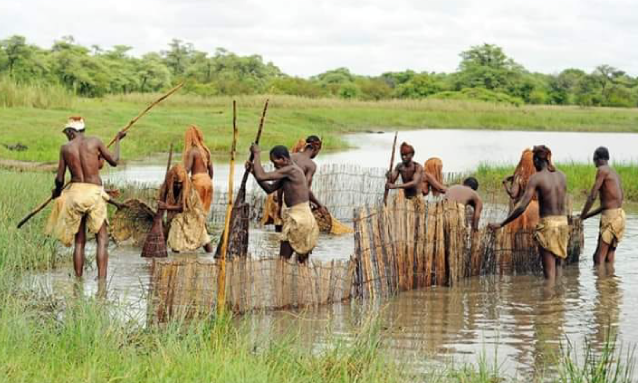


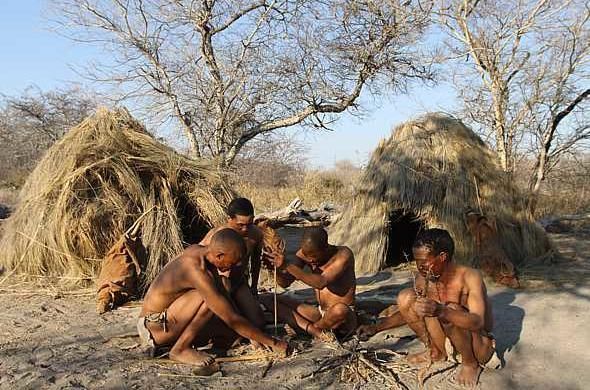
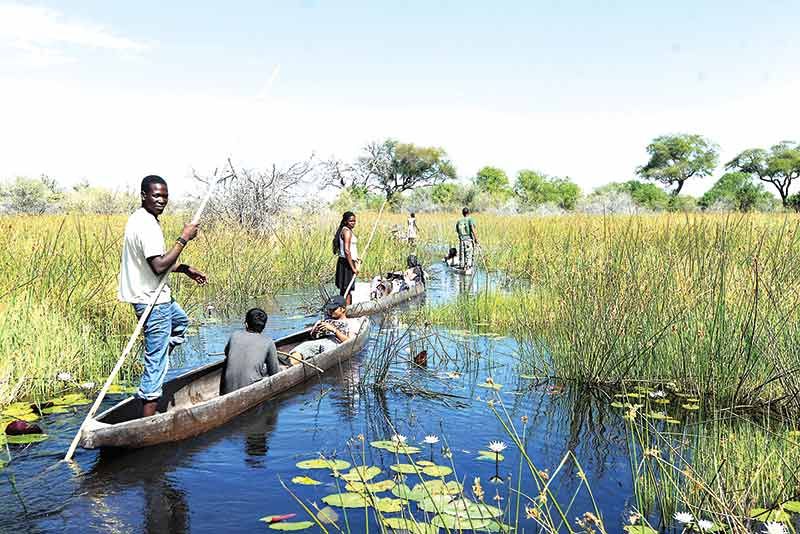
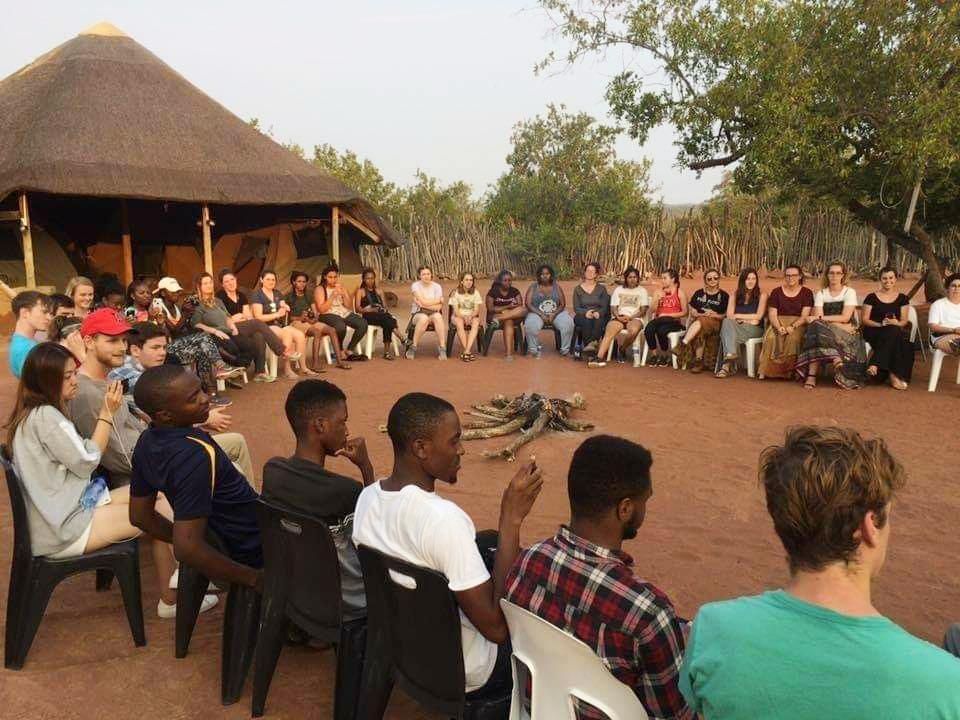

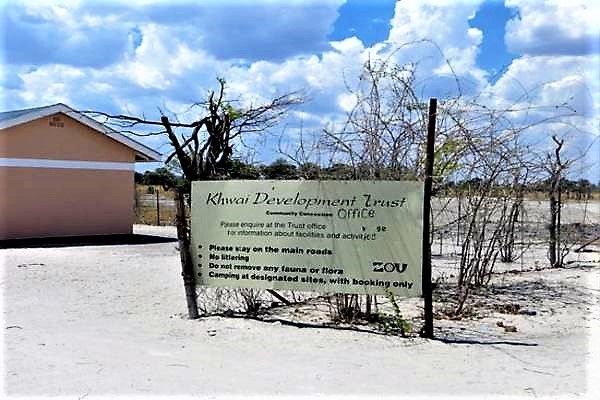







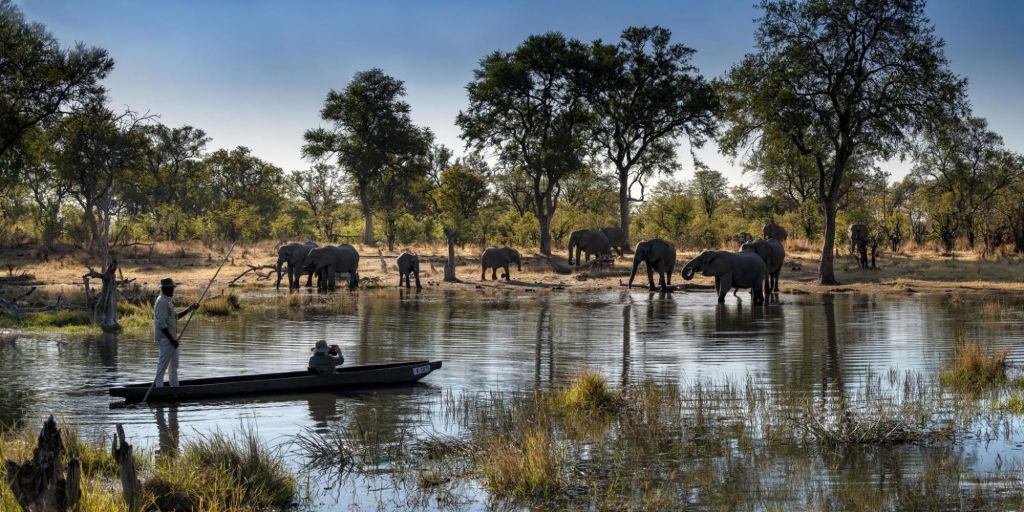





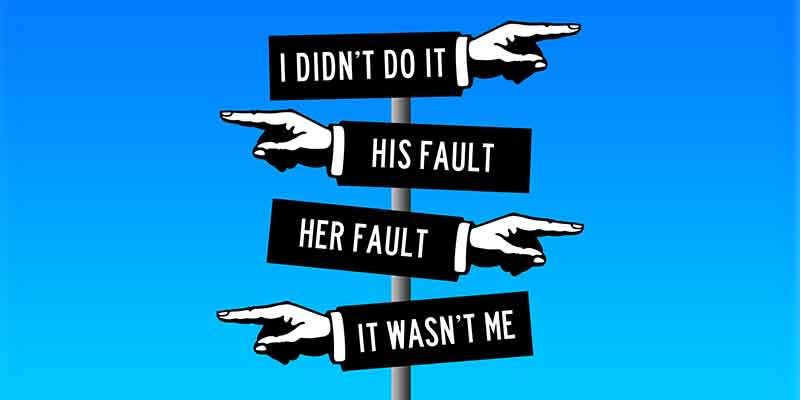

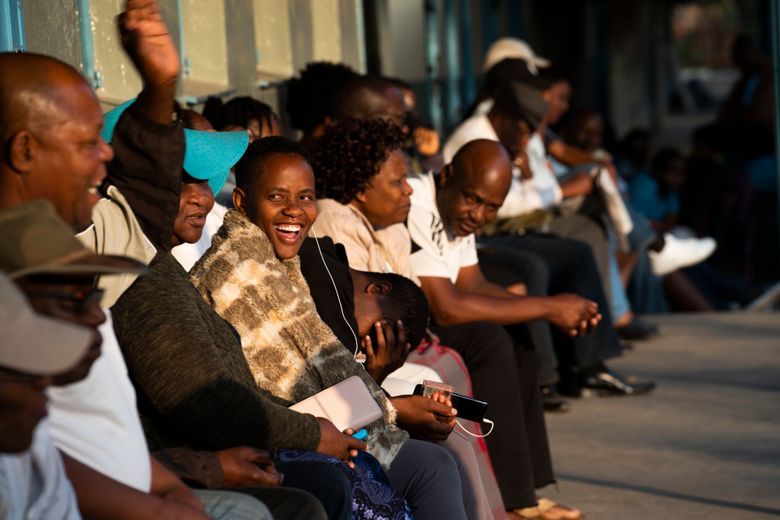





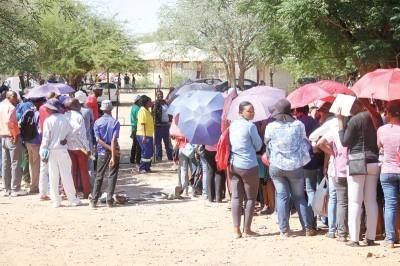
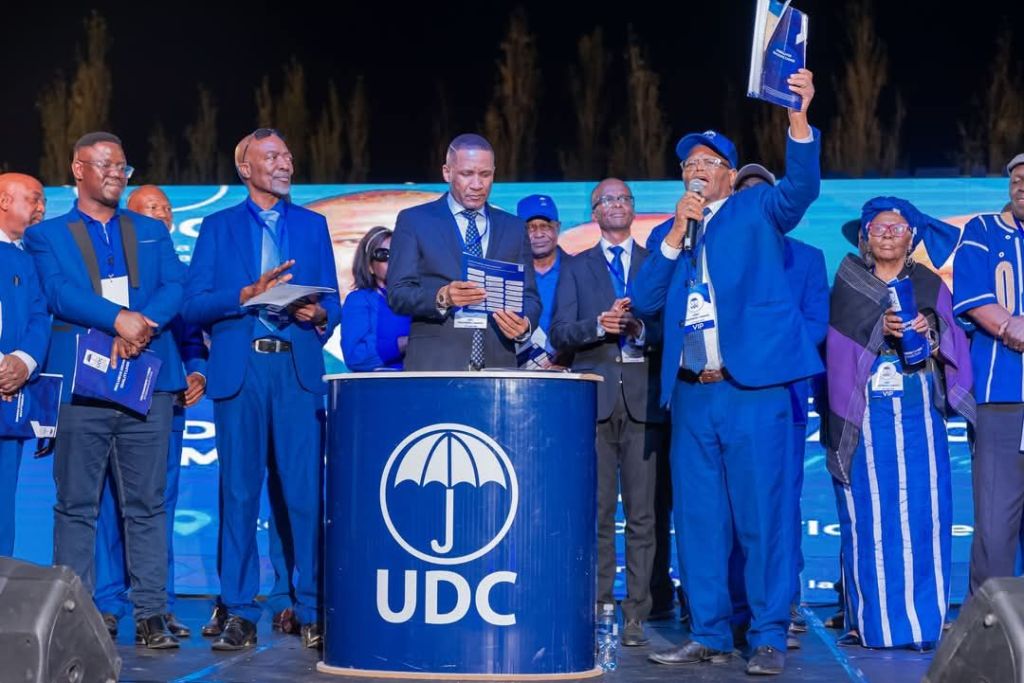




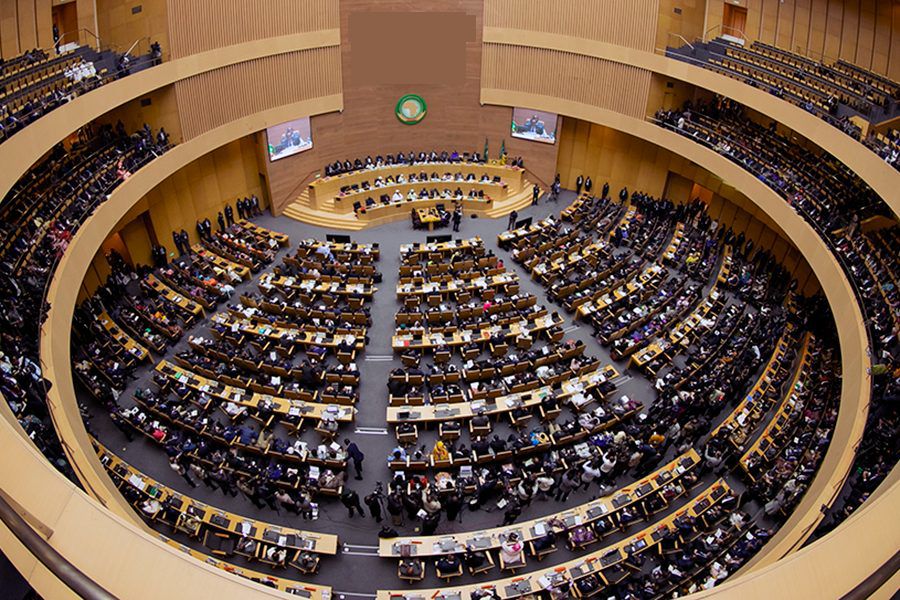

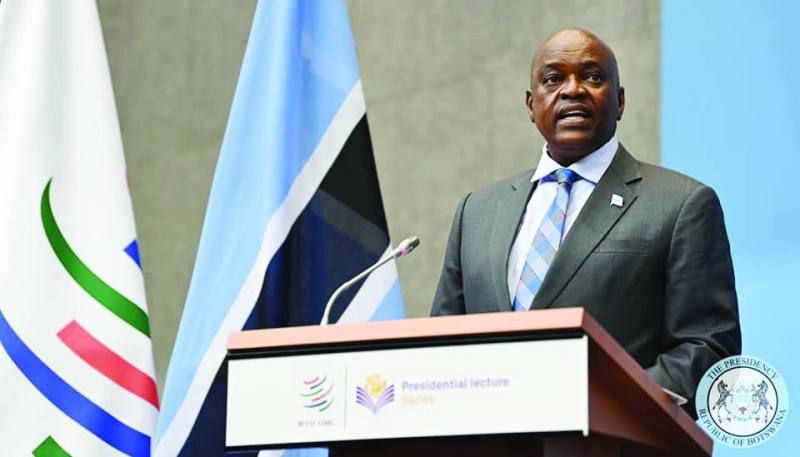
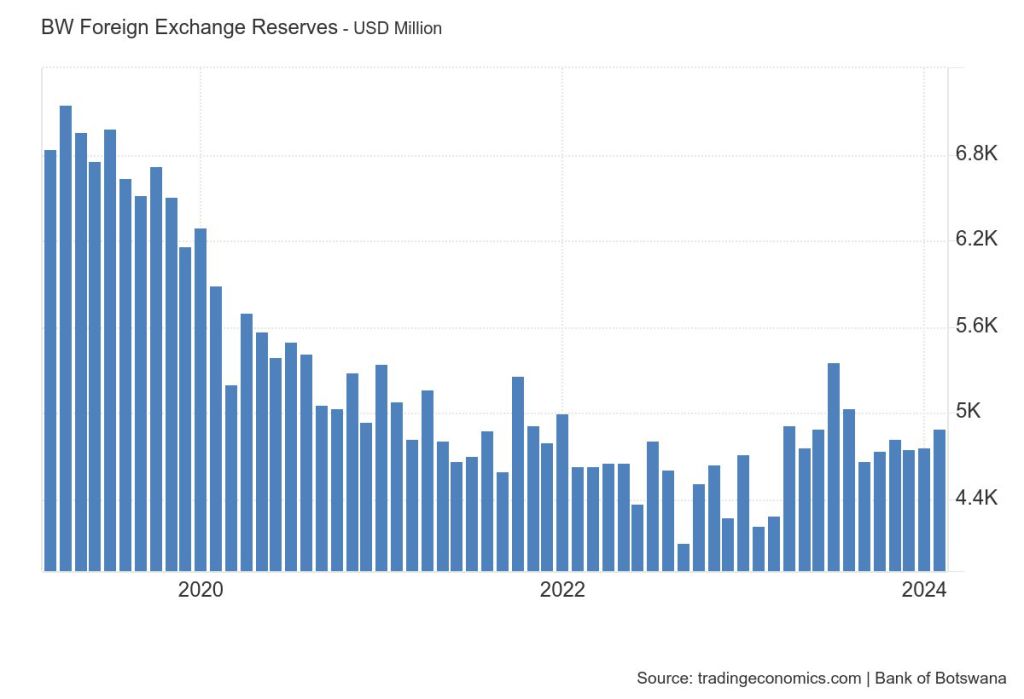

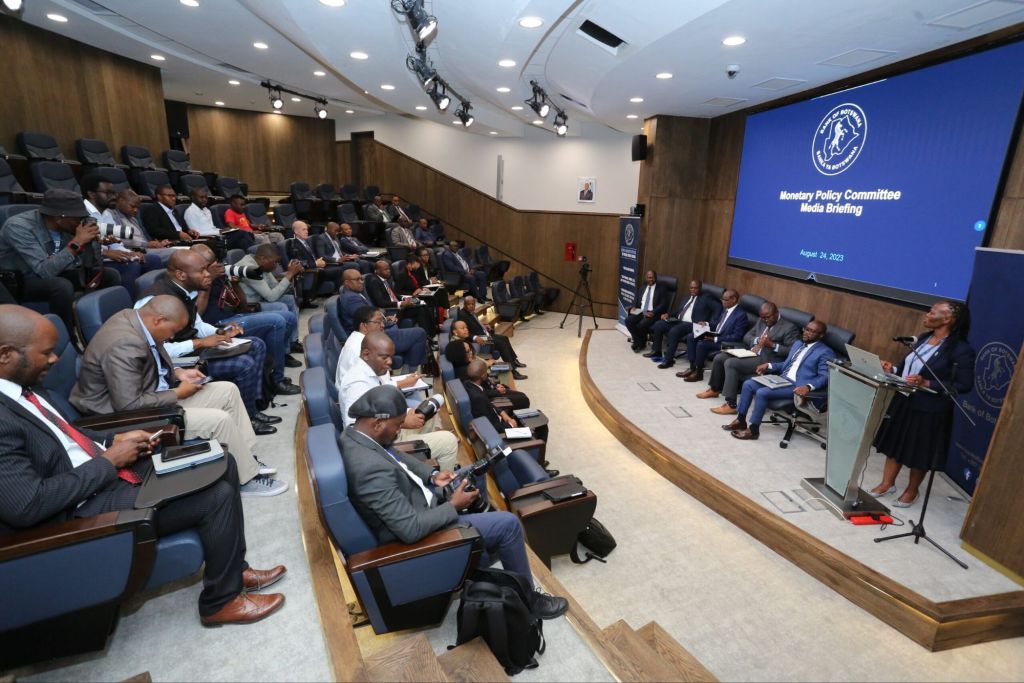













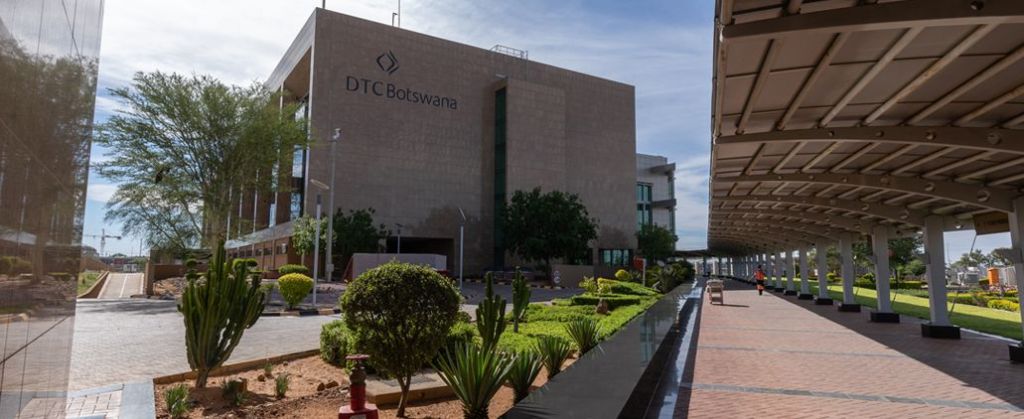



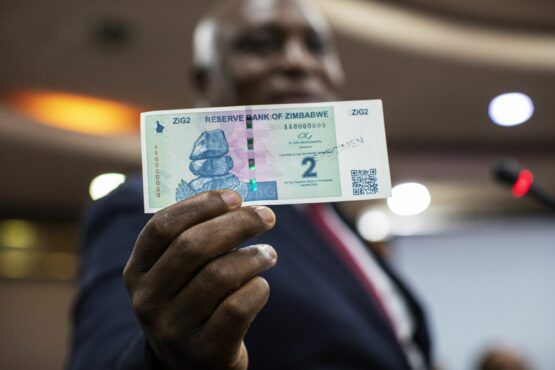








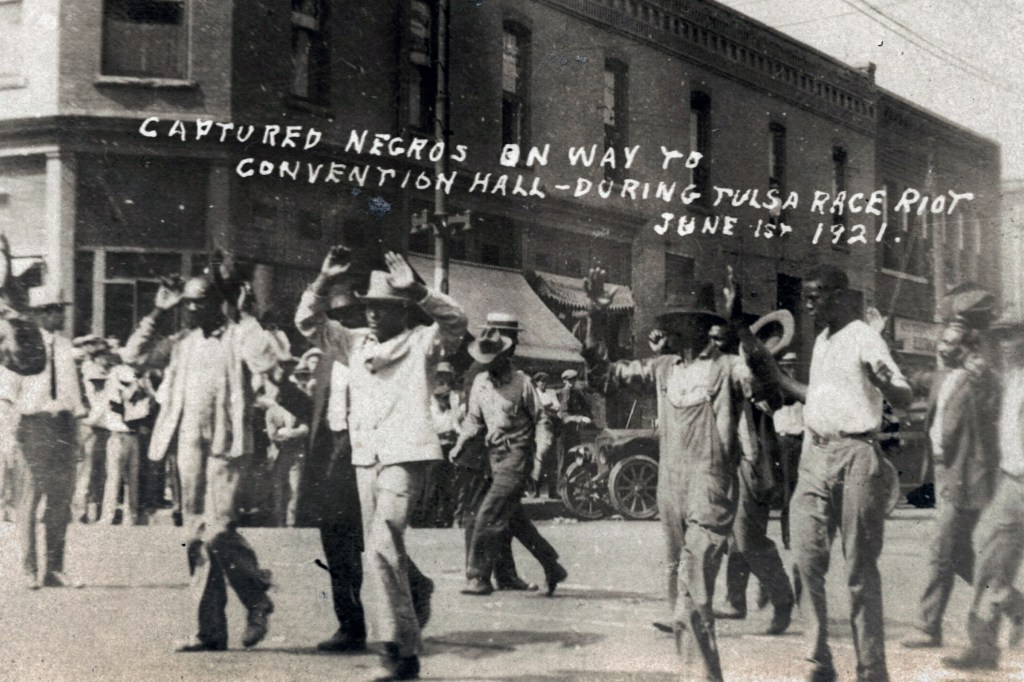
























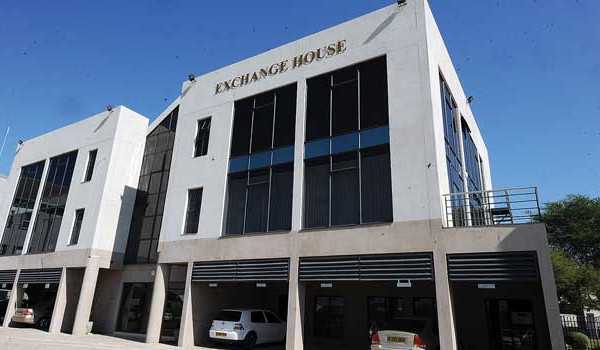


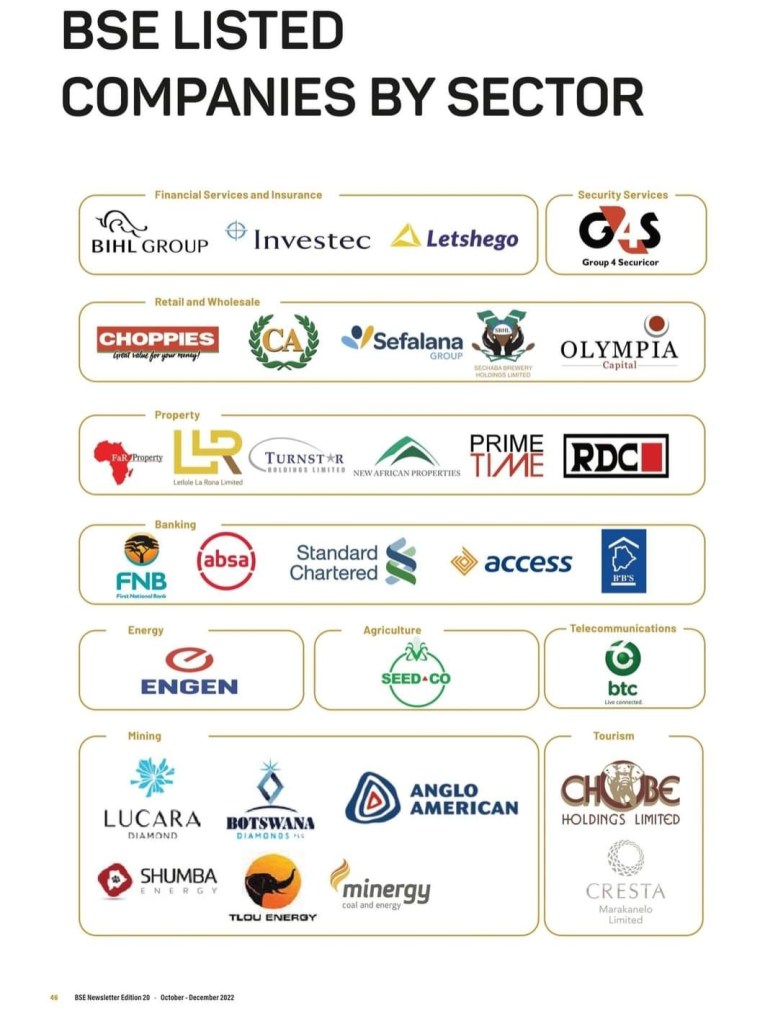





















 Finance Corner With Pelokgale