An overview of Botswana’s tax system

By Kesaobaka Pelokgale

“Taxation is the price which civilized communities pay for the opportunity to remain civilized.

Taxation is an essential aspect of any modern economy, and Botswana is no exception. Located in Southern Africa, Botswana has a relatively small population of less than 3 million people but boasts a vibrant economy and a stable political climate. The government relies heavily on taxation to fund its operations and to support its economic development programs. In this article, we will explore the tax system in Botswana, including its structure, rates, and exemptions.

“All things built with tax money are beautiful: so we must think or go mad.”

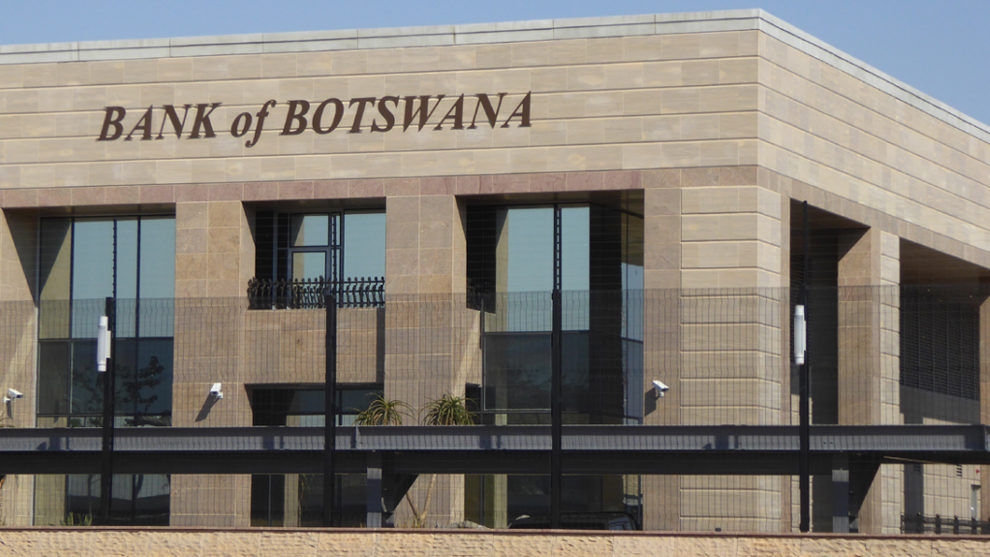
The tax system in Botswana is relatively simple and straightforward. It is administered by the Botswana Unified Revenue Service (BURS), which is responsible for collecting taxes on behalf of the government. The main taxes collected in Botswana are income tax, value-added tax (VAT), customs and excise duties, and property tax.
“The power of taxing people and their property is essential to the very existence of government.”

Income Tax:
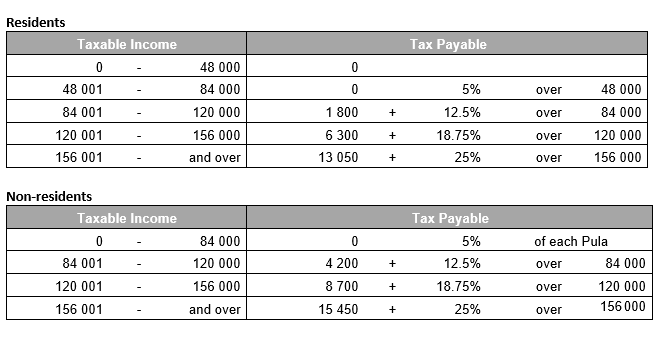
Income tax is the most significant source of revenue for the Botswana government. It is levied on the income of individuals, companies, and trusts. The tax rate for individuals is progressive. A progressive tax is a tax in which the tax rate increases as the taxable amount increases. It ranges from 5% to 25% depending on the level of income. The tax rate for companies is a flat rate of 22%, while the tax rate for trusts is 25%.

“In this world nothing can be said to be certain, except death and taxes.”

VAT:
VAT is a tax on the value added to goods and services at each stage of production and distribution. The current VAT rate in Botswana is 12%, and it applies to most goods and services, including imports.

I hate paying taxes. But I love the civilization they give me

Customs and Excise Duties:
Customs and excise duties are taxes levied on imported goods and some locally manufactured goods. The duties are charged based on the value of the goods, and the rates vary depending on the type of goods being imported or manufactured.

“You must pay taxes. But there’s no law that says you gotta leave a tip.”

Property Tax:
Property tax is a tax on the value of property, including land and buildings. The tax rate is set at 0.1% of the property’s value, and it is payable annually.

Tax Exemption in Botswana

“The purpose of a tax cut is to leave more money where it belongs: in the hands of the working men and working women who earned it in the first place.”

In addition to the taxes mentioned above, Botswana also has a number of tax exemptions and incentives designed to encourage investment and economic growth. Tax exemptions are specific provisions in tax laws that allow certain individuals, organizations, or activities to avoid paying taxes on certain types of income or transactions. In other words, a tax exemption is a type of tax relief that reduces the tax liability of a taxpayer or entity. Tax exemptions can be granted for various reasons, such as to promote social welfare, to incentivize specific economic activities, or to provide relief for certain types of income earners. These include:

  1. Income tax exemptions: Certain types of income are exempt from personal income tax, such as income earned from agricultural activities, income earned by charitable organizations etc
  2. Value Added Tax (VAT) exemptions: Certain goods and services are exempt from VAT, including basic foodstuffs, medical supplies, education and training, and exports.
  3. Corporate tax exemptions: Certain companies, such as those involved in manufacturing, mining, or tourism, may be eligible for corporate tax exemptions or reduced tax rates.
  4. Capital gains tax exemptions: Capital gains tax is not charged on the sale of a principal residence or shares in a public company listed on the Botswana Stock Exchange.
  5. Dividend tax exemptions: Dividends paid by Botswana-resident companies to other Botswana-resident companies are exempt from tax.

It is important to note that eligibility for tax exemptions may be subject to certain conditions or requirements. It is recommended that individuals and organizations consult with a tax professional or the Botswana Unified Revenue Service for further information on tax exemptions in Botswana.

“Taxes are paid in the sweat of every man who labors”

Special economic zones that offer tax incentives and other benefits to investors who set up businesses in designated areas.The mandate of the Special Economic Zones Authority (SEZA) in Botswana is to establish and manage Special Economic Zones (SEZs) in order to promote economic growth, attract foreign investment, and create employment opportunities.

In this world, nothing can be said to be certain except death and taxes”

Overall, the tax system in Botswana is relatively simple and straightforward, with a low tax burden compared to many other countries. The government’s focus on attracting foreign investment and promoting economic growth has resulted in a tax system that is designed to encourage business and support development.

While there may be some room for improvement, particularly in terms of reducing the administrative burden on taxpayers, Botswana’s tax system is generally seen as effective and efficient.

Kindly feel free to leave your thoughts below..,…
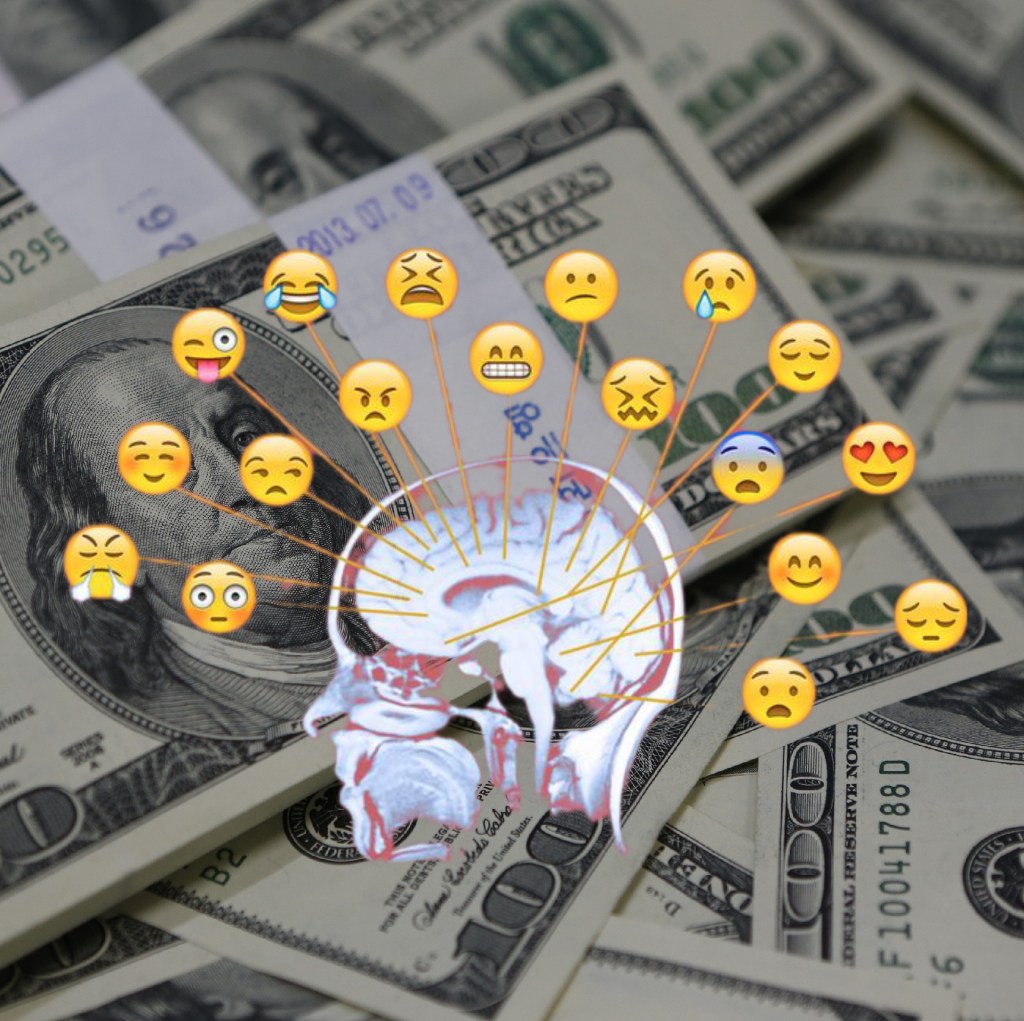
The Power of Emotions: How They Influence Financial Decision Making

By Kesaobaka Pelokgale

A wise person should have money in their head but not in their heart”

When it comes to making financial decisions, most of us like to think that we’re rational beings who carefully weigh the pros and cons of every choice. However, the truth is that our emotions play a major role in the financial decisions we make. The way we feel about money, our experiences with it, and our relationships with those around us all have a significant impact on our financial decision-making process. In this post, we’ll explore the power of emotions and how they can influence your financial decisions. From the impact of fear and anxiety to the influence of happiness and optimism, we’ll examine how emotions can lead us astray and provide tips on how to make more informed and rational financial decisions.

“The greatest cause of human financial struggle is the fear of losing money”

Fear

Fear is one of the most potent emotions that can impact our financial decisions. People often experience fear when they are uncertain about the future, especially when it comes to their finances. Fear of losing money can lead people to make irrational decisions like selling stocks during a market downturn, which can result in significant losses. Similarly, fear of missing out (FOMO) can lead people to invest in hot stocks or cryptocurrencies without proper research or due diligence. In order to make sound financial decisions, it is important to be aware of how fear can influence our thinking. By being mindful of our emotional responses to financial situations, we can make more rational, informed decisions that are in our best interests.

“Greed cuts in line, greed doesn’t give when it should, and greed always wants more. Enough is never enough where greed is concerned.”

Greed

Greed is another emotion that can influence financial decision-making. People who are motivated by greed may take excessive risks to achieve higher returns, which can sometimes lead to financial ruin. Moreover, greed can also result in people falling prey to scams or get-rich-quick schemes. One way to avoid the negative consequences of greed is to have a clear financial plan in place. This can help individuals stay focused on their long-term goals and avoid making impulsive decisions based on short-term gains. By understanding its influence and taking steps to mitigate its negative effects, individuals can make more informed and responsible decisions that align with their overall financial goals.

“Be careful with too much joy, it can make you numb in life”

Joy

Joy is an emotion that can also influence financial decision-making, especially when it comes to spending money. People who experience joy while shopping may spend more than they can afford, leading to debt and financial stress.

Do not worry about tomorrow, for tomorrow will worry about itself.

Anxiety

Anxiety and stress can have a significant impact on our financial decision making. When we experience anxiety or stress, our ability to think rationally and make sound decisions can be compromised. In fact, research has shown that individuals under stress tend to make riskier financial decisions compared to those who are not under stress. This is because stress triggers the release of the hormone cortisol, which can lead to a fight or flight response. When this happens, our brain is more focused on survival and less on making logical decisions.

“Worry often gives a small thing a big shadow”

Furthermore, anxiety can also lead to decision paralysis or avoidance. When we are anxious about making a decision, we may delay it or avoid it altogether, which can have negative consequences for our finances in the long run. It’s important to recognize the impact that anxiety and stress can have on our financial decision making and take steps to manage them.

“Knowing yourself is the beginning of all wisdom.

How to recognize and manage emotions when making financial decisions

By recognizing how emotions influence our behavior, we can make more rational and informed decisions, leading to a more secure financial future. Emotions can cloud our judgment and lead to making impulsive and sometimes irrational decisions, which can have long-term consequences.

“Sometimes you need to take a step back in order to see where you need to step next.”

One way to manage emotions is to take a step back and evaluate the situation objectively. Ask yourself why you are feeling a certain way and how it may be affecting your decision-making process.
It’s also important to consider the facts and do your research before making any financial decisions. This can help to reduce anxiety and stress, allowing you to make a more informed decision.

“Advice is like snow – the softer it falls, the longer it dwells upon, and the deeper it sinks into the mind.

Another useful strategy is to seek out objective advice from a trusted advisor. This can be a financial planner, accountant, or other professional who can provide unbiased guidance and help to keep emotions in check. By relying on an expert to provide guidance, individuals can avoid making impulsive decisions based on fear, greed, or other emotional factors.

“If it’s out of your hands, it deserves freedom from your mind too.”

Finally, practice mindfulness or meditation to help manage emotions and stress. Taking a few minutes each day to focus on your breathing and clear your mind can help to reduce anxiety and improve decision-making.

By failing to prepare, you are preparing to fall”.

One effective strategy is to create a plan in advance. By establishing clear financial goals and a plan for achieving them, individuals can make more rational decisions that are consistent with their long-term objectives. This can help to reduce the influence of emotions in the moment, as well as provide a framework for evaluating decisions over time.

Nothing in life is quite as important as you think it is while you’re thinking about it.”

While emotions are a natural part of the decision-making process, they can often cloud judgment and lead to poor financial decisions. To mitigate this risk, there are several strategies that can be employed to reduce the impact of emotions on financial decision making

“The investor’s chief problem – and even his worst enemy – is likely to be himself.”

In summary, managing emotions in financial decision making is crucial for achieving long-term financial success. By recognizing emotions, seeking guidance, setting goals, and practicing self-care, individuals can make informed and rational decisions that align with their financial objectives.

“While enthusiasm may be necessary for great accomplishments elsewhere, on Wall Street it almost invariably leads to disaster”

It is my hope that you enjoyed this article on the power of emotions and how they influence financial decision making. It’s essential to understand how our emotions can affect our financial choices, as this knowledge can help us make better decisions and take control of our financial lives. Remember to take a step back and evaluate how you’re feeling before making any significant financial decisions. I wish you all the best in your future financial endeavors.

Understanding the Basics of Stocks, Bonds, and Mutual Funds

By Kesaobaka Pelokgale

“The stock market is filled with individuals who know the price of everything, but the value of nothing.” “

Investing in stocks, bonds, and mutual funds can be a great way to grow your wealth and achieve your financial goals. These three investment vehicles are some of the most popular options for investors looking to diversify their portfolio and build long-term wealth. In this article, we will explore the basics of stocks, bonds, and mutual funds and help you understand the key differences between these investments.

Economics is all about consumption. People either spend money now or they use financial instruments — like bonds, stocks, and savings accounts — so they can spend more later.”

Stocks

Stocks, also known as equities or shares, represent ownership in a company. When you buy a stock, you are essentially buying a small piece of ownership in that company. Companies issue stocks to raise capital to fund their operations, and investors buy them in the hope of earning a return on their investment.

If it got too successful it would be destroyed

Stock prices are influenced by a variety of factors, including the company’s financial performance, industry trends, and broader economic conditions. When a company performs well, its stock price tends to rise, and when it performs poorly, its stock price tends to fall.

You only have to do a very few things right in your life so long as you don’t do too many things wrong”

Investing in stocks can be risky, as prices can be volatile, and companies can go bankrupt, causing investors to lose their investment. However, over the long-term, stocks have historically provided higher returns than other types of investments, such as bonds or cash.

Only buy something that you’d be perfectly happy to hold if the market shut down for 10 years.

Bonds, also known as fixed-income securities, are essentially loans made by investors to companies, governments, or other organizations. When you buy a bond, you are lending money to the bond issuer, who agrees to pay you interest at a fixed rate for a specified period of time. At the end of the bond’s term, the issuer returns the principal amount of the bond to the investor.

“Wall Street sells stocks and bonds, but what it really peddles is hope.”

Bonds

Bonds are typically considered less risky than stocks because they provide a fixed rate of return and are generally less volatile. However, the returns on bonds are generally lower than those on stocks, and inflation can erode the value of the returns over time.

“In investing, what is comfortable is rarely profitable.”

Mutual Funds

Mutual funds are investment vehicles that pool money from a large number of investors to purchase a diversified portfolio of stocks, bonds, or other securities. Mutual funds are managed by professional fund managers, who make investment decisions on behalf of the investors in the fund.

“It’s not whether you’re right or wrong that’s important, but how much money you make when you’re right and how much you lose when you’re wrong.”

By investing in a mutual fund, you can gain exposure to a broad range of securities, which helps to diversify your portfolio and reduce risk. Mutual funds are available in a variety of different investment styles and asset classes, so it’s important to do your research to find a fund that aligns with your investment goals and risk tolerance.

“It’s not how much money you make, but how much money you keep, how hard it works for you, and how many generations you keep it for.”

Stocks, bonds, and mutual funds are three popular investment options that can help you grow your wealth and achieve your financial goals. While each of these investments has its own unique risks and rewards, understanding the basics of these investments is an essential first step in building a diversified portfolio that can help you achieve long-term financial success. Before investing in any of these options, it’s important to do your research, assess your risk tolerance, and seek the advice of a financial professional.

Intellectual Property: How to protect your ideas..

By Kesaobaka Pelokgale

“There are people out there who don’t see value in intellectual property, and so they’re always going to have a problem if there are lawsuits involving intellectual property”

Intellectual property refers to creations of the mind that are protected under the law, including inventions, literary and artistic works, symbols, names, and images used in commerce. Intellectual property laws are designed to protect the interests of creators, inventors, and businesses that invest significant resources into developing new ideas, products, and services.

“The question today is not whether you have IP; it is whether you know how to use your IP”

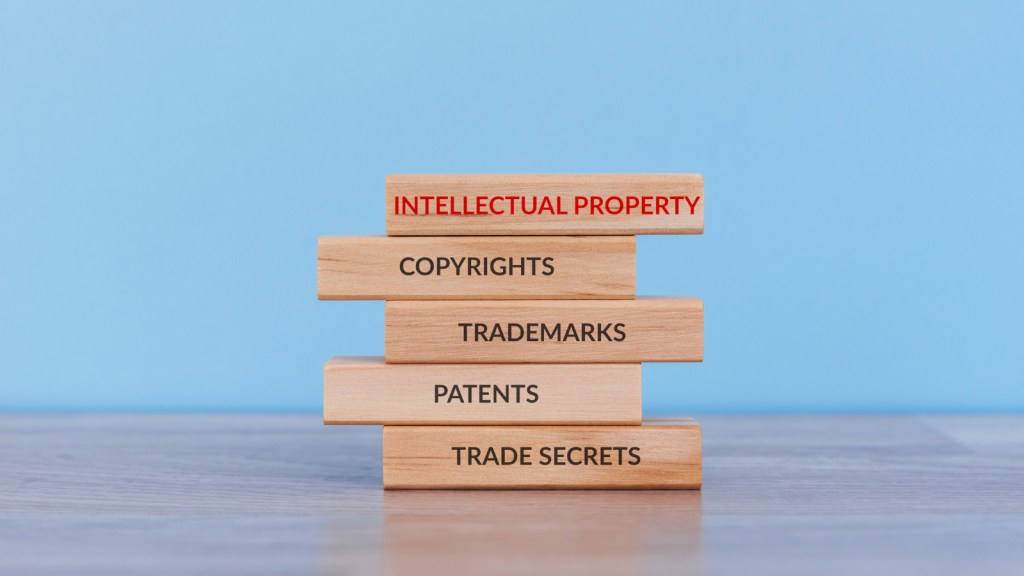
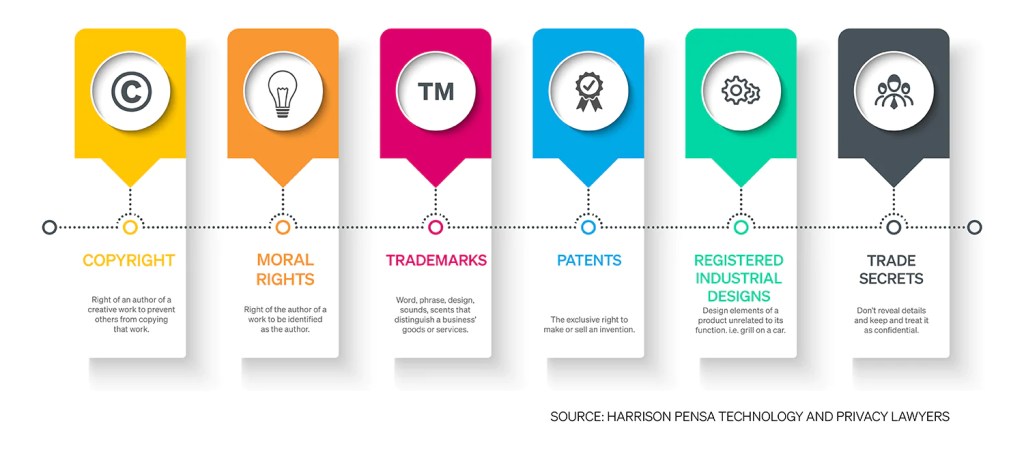
There are several types of intellectual property, including patents, trademarks, copyrights, trade secrets, and industrial designs. Each type of intellectual property provides different forms of protection and legal rights to the owner.

“A patent a day keeps the competitor away.

Patents are used to protect inventions and provide the owner with exclusive rights to make, use, and sell the invention for a certain period of time. In order to obtain a patent, an inventor must demonstrate that their invention is novel, non-obvious, and useful.

“Startups must clear IP risks before launching products as one bad order can kill their business”

Trademarks are used to protect brand names, logos, and other symbols that are used to identify and distinguish a company’s products or services from those of its competitors. Trademark owners have the exclusive right to use their marks and can prevent others from using similar marks that could cause confusion among consumers.

“When all is lost, IP can come to your rescue.”

Copyrights are used to protect original works of authorship, including books, music, software, and other creative works. Copyright owners have the exclusive right to reproduce, distribute, and publicly display their works and can prevent others from using their works without permission.

“The inventive step requirement makes a lawyer out of an inventor.”

Trade secrets are used to protect confidential information that provides a competitive advantage to a business, such as customer lists, manufacturing processes, and proprietary technologies. Trade secret owners have the right to prevent others from using or disclosing their confidential information.

“Strategic use of intellectual property can give a business several years of protected competitive advantage.”

Industrial designs are used to protect the visual appearance of a product, such as the shape, configuration, or pattern of a product. Industrial design owners have the exclusive right to use their designs and can prevent others from using similar designs that could create confusion among consumers.

One must remember that digital content is not equal to accessible content.”

Intellectual property laws are essential for promoting innovation and creativity and for protecting the interests of creators and businesses. However, intellectual property laws are also subject to criticism, particularly for their potential to limit access to essential goods and services and to hinder the development of new technologies and ideas.

“Respect for inventors is the key for success of a patent system”

In recent years, there has been growing interest in alternative approaches to intellectual property that prioritize open access, collaborative innovation, and the public good. Some of these approaches include open-source software, creative commons licensing, and patent pools.

“A country without a patent office and good patent laws is just a crab, and can’t travel any way but sideways and backways.”

Overall, intellectual property is an important and complex area of law that plays a crucial role in promoting innovation and creativity. As technology continues to evolve and new forms of creativity and innovation emerge, it is likely that intellectual property laws will continue to evolve as well to meet the changing needs of creators and businesses.

Financial Regulatory Authorities: What are they and why should you care

By Kesaobaka Pelokgale

“If we want our regulators to do better, we have to embrace a simple idea: regulation isn’t an obstacle to thriving free markets; it’s a vital part of them”

Financial regulatory authorities exist to oversee and regulate financial markets, institutions, and participants to ensure that they operate fairly, transparently, and efficiently. These regulatory bodies are typically established by governments and operate with the goal of protecting consumers, maintaining market stability, and preventing fraud and abuse.

“What we have to find is the right level of regulation of our financial system so that it has the incentive to invest in things, but at the same time, it is sufficiently regulated so it can’t get in the kind of trouble that we have seen in the past and we have seen recently.”

The existence of financial regulatory authorities is essential for several reasons. Firstly, they are responsible for safeguarding the integrity of financial systems. Financial markets and institutions are highly complex and interconnected, and their proper functioning is critical to the stability of the economy as a whole. Regulators ensure that participants in financial markets comply with established rules and regulations, which helps to prevent systemic risks that can destabilize the entire financial system.

“We need open, competitive, market economies… but at the same time with effective regulation and supervision.”

Secondly, financial regulatory authorities work to protect consumers and investors from fraud and other forms of abuse. Financial markets can be highly speculative, and unscrupulous individuals and organizations may take advantage of unsuspecting investors. Regulators enforce rules that require financial service providers to disclose all relevant information to consumers and investors, ensuring that they can make informed decisions.

“Jobs are a priority for every country. Doing more to improve regulation and help entrepreneurs is the key to creating jobs – and more growth.”


Thirdly, financial regulators are tasked with promoting transparency and accountability in financial markets. Transparency and accountability are essential for building trust in financial systems and institutions. Regulators ensure that market participants adhere to reporting and disclosure requirements, which help to prevent fraudulent activities and promote confidence in the market.

“Regulation is necessary, particularly in a sector, like the banking sector, which exposes countries and people to a risk.”

Finally, financial regulatory authorities exist to ensure that financial institutions operate in a manner that is consistent with the broader goals of the economy. For example, regulators may work to promote competition and innovation in financial markets, or they may work to promote the availability of credit to small businesses and other underserved populations.

“If there’s a regulation that’s saving 10,000 lives and costing one job, it’s worth it.”

In summary, financial regulatory authorities exist to protect consumers, maintain market stability, prevent fraud and abuse, promote transparency and accountability, and ensure that financial institutions operate in a manner consistent with broader economic goals. Without regulatory oversight, financial markets and institutions would be vulnerable to abuses that could destabilize the entire financial system and harm the broader economy. Therefore, the existence of financial regulatory authorities is essential for the proper functioning of the financial system and the protection of consumers and investors.

Tax Evasion Vs Tax Avoidance: Two sides of the same coin?

By Kesaobaka Pelokgale

The difference between tax avoidance and tax evasion is the thickness of a prison wall.”

Each and every one of us has their opinion on whether taxes are worth paying or not. The truth is that taxes, when handled right are necessary for funding public services and infrastructure, as well as ensuring that everyone contributes their fair share towards the functioning of a society. However, not everyone pays the taxes they owe. Tax evasion and tax avoidance are two ways in which individuals and businesses attempt to reduce or avoid paying their taxes.

All is fair in love, war and tax evasion.

Tax evasion refers to the illegal act of not paying taxes owed by failing to report income or deliberately falsifying information on tax returns. This can include not reporting all income earned, claiming false deductions or expenses, or underreporting the amount of taxes owed. Tax evasion is a criminal offense, and those caught can face fines, penalties, and even imprisonment.

The avoidance of taxes is the only intellectual pursuit that still carries any reward.

Tax avoidance, on the other hand, is a legal way of minimizing taxes by using deductions, credits, and loopholes in tax laws. While tax avoidance is not illegal, it is often considered unethical and unfair to those who are not able to use these methods. Tax avoidance can also result in lost revenue for governments, leading to a reduction in the funds available for public services.

“Take not from the mouth of labor the bread it has earned.”

The line between tax evasion and tax avoidance can be blurry, and what may be considered legitimate tax planning by some may be seen as tax evasion by others. Some individuals and businesses engage in aggressive tax planning, pushing the boundaries of what is legal, and sometimes even breaking the law in the process.

“A tax loophole is something that benefits the other guy. If it benefits you, it is tax reform”

Governments around the world are taking steps to combat tax evasion and tax avoidance. One way is through the exchange of information between countries. The automatic exchange of information between tax authorities enables them to identify tax evaders and those engaged in aggressive tax planning.

A person doesn’t know how much he has to be thankful for until he has to pay taxes on it”

Another way is through the implementation of anti-avoidance measures. Governments are introducing new laws and regulations to close loopholes and prevent aggressive tax planning. For example, many countries have introduced measures to tackle the use of offshore tax havens, where individuals and businesses can avoid paying taxes in their home country.

“The only thing that hurts more than paying an income tax is not having to pay an income tax.”

The role of businesses in tax evasion and tax avoidance has come under increased scrutiny in recent years. Large multinational companies have been accused of using complex tax structures to reduce their tax bills, often shifting profits to low-tax jurisdictions. This has led to calls for greater transparency and accountability in the tax affairs of businesses.

“When plunder becomes a way of life for a group of men in a society, over the course of time they create for themselves a legal system that authorizes it and a moral code that glorifies it.’

Tax evasion and tax avoidance are two ways in which individuals and businesses attempt to reduce or avoid paying their taxes. Tax evasion is illegal and can result in fines, penalties, and imprisonment, while tax avoidance is legal but often considered unethical. Governments around the world are taking steps to combat tax evasion and tax avoidance through the exchange of information and the implementation of anti-avoidance measures. It is important for individuals and businesses to pay their fair share of taxes to ensure that public services and infrastructure can be funded and maintained for the benefit of all.

Tax: Addressing The Elephant In The Room

By Kesaobaka Pelokgale

“Nothing in life is certain except death, taxes and the second law of thermodynamics”

Taxes are an essential component of any society. They are the primary source of revenue for the government, and they fund public services such as education, healthcare, infrastructure, and public safety. Taxes also help to redistribute wealth and income by taking from the rich and giving to the poor. In this article, we will discuss the importance of taxes and their role in society.

All things built with tax money are beautiful: so we must think or go mad.

Firstly, taxes play a crucial role in funding public services. Without taxes, the government would not be able to provide essential services to its citizens. Public services are a critical component of any society, and they ensure that citizens can access vital services such as healthcare, education, and transportation. These services are essential for the development of individuals and society as a whole, and without taxes, they would not be possible.

We must work together to ensure the equitable distribution of wealth, opportunity and power in our society.”

Secondly, taxes help to redistribute wealth and income. The tax system is designed to ensure that those who earn more pay a higher percentage of their income in taxes than those who earn less. This system is based on the principle of progressive taxation, where those who can afford to pay more, do so. The revenue generated from taxes is then used to provide support to those who are less fortunate, such as social welfare programs, public housing, and education subsidies. This redistribution of wealth helps to reduce inequality and ensure that everyone in society has access to basic needs.

Collecting more taxes than is absolutely necessary is legalized robbery.”

Thirdly, taxes play a role in regulating the economy. Taxes can be used as a tool to regulate the economy by stimulating or slowing down economic growth. For example, during times of economic downturn, governments may reduce taxes to encourage spending and investment, thereby stimulating economic growth. Similarly, during times of inflation, governments may increase taxes to reduce spending and stabilize prices.

“When it is obvious that the goals cannot be reached, don’t adjust the goals, adjust the action steps”

Fourthly, taxes can be used to promote social and environmental goals. Governments can use taxes to incentivize behavior that benefits society and the environment. For example, taxes can be levied on carbon emissions to encourage companies to reduce their carbon footprint, thereby reducing environmental damage. Taxes can also be used to promote healthy behavior, such as taxes on cigarettes and alcohol.

Take not from the mouth of labor the bread it has earned.”

In conclusion, taxes play a critical role in society. They are the primary source of revenue for the government and fund essential public services. Taxes also help to redistribute wealth and income, regulate the economy, and promote social and environmental goals. While taxes are not always popular, they are a necessary part of any society, and without them, we would not have the infrastructure and public services that we rely on every day.

To reach the author

How Understanding Basic Accounting Principles Can Help Small Business Owners Make Better Financial Decisions

By Kesaobaka Pelokgale

“A big business starts small.”

As a small business owner, accounting can be a daunting task. It was personally one of my least favorite subjects before I pursued my finance degree, which is why I understand how mentally straining one might believe it is at first thought. However, it is crucial to understand basic accounting principles to ensure your business’s financial success. The truth is that most business owners are reluctant to learn these basic principles and often do not see the point. Before we begin let us understand why it is imperative for every small business owner to know their basic accounting principles.

  1. Financial decision-making: As a business owner, you need to make informed financial decisions. Understanding accounting principles will help you read financial statements accurately, track cash flow, and budget effectively. This will enable you to make decisions that are in the best interest of your business.
  2. Compliance: Businesses are required by law to keep accurate financial records and report them to the government. By understanding accounting principles, you can ensure that your financial statements are compliant with regulations and avoid legal issues.
  3. Communication: Understanding accounting principles also helps you communicate effectively with your accountant, financial advisors, and investors. You can discuss financial reports and budgets with them more efficiently, ensuring everyone is on the same page.
  4. Growth: As your business grows, accounting becomes more complex. Understanding basic accounting principles will help you manage your finances effectively, enabling you to grow your business with confidence.
  5. Financial control: Finally, understanding accounting principles gives you greater control over your finances. You can identify potential issues, track expenses and revenue, and ensure that you are meeting your financial goals.
“A small business is an amazing way to serve and leave an impact on the world you live in.”

Understanding basic accounting principles is essential for the financial success of your business. By keeping accurate financial records and understanding your financial statements, you can make informed decisions and manage your finances more effectively, which leads us to the issue at hand. Here are the few basic principles a small business owner has to know

“The word accounting comes from the word accountability. If you are going to be rich, you need to be accountable for your money.”

The Accounting Equation
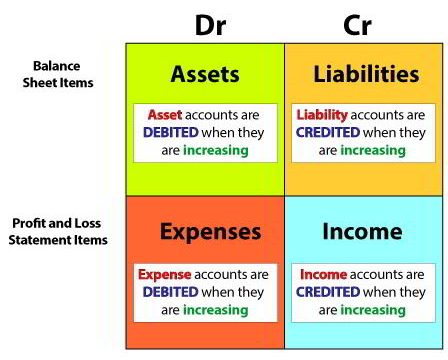
The accounting equation is the foundation of accounting. It is a simple equation that represents the relationship between assets, liabilities, and equity. The equation is Assets = Liabilities + Equity. This means that the value of all assets in a business must be equal to the sum of its liabilities and equity.

“The reaction of weak management to weak operations is often weak accounting.”

Accrual Accounting
Accrual accounting is a method of accounting that recognizes revenue and expenses when they are earned or incurred, regardless of when the cash is received or paid. This means that revenue is recognized when a sale is made, and an expense is recognized when a purchase is made, even if the cash has not yet been exchanged.

It sounds extraordinary, but it’s a fact that balance sheets can make fascinating reading

Cash Accounting
Cash accounting is a method of accounting that recognizes revenue and expenses only when cash is exchanged. This means that revenue is recognized when cash is received, and expenses are recognized when cash is paid.

“Few have heard of Fra Luca Pacioli, the inventor of double-entry bookkeeping; but he has probably had much more influence on human life than has Dante or Michelangelo.”

Double-Entry Accounting
Double-entry accounting is a method of accounting that records every financial transaction in two accounts – a debit and a credit account. This ensures that the accounting equation remains in balance.

“Creativity is great-but not in accounting.”

GAAP
GAAP (Generally Accepted Accounting Principles) is a set of accounting standards and guidelines that must be followed when preparing financial statements. These standards ensure that financial statements are consistent, accurate, and reliable.

Chart of Accounts
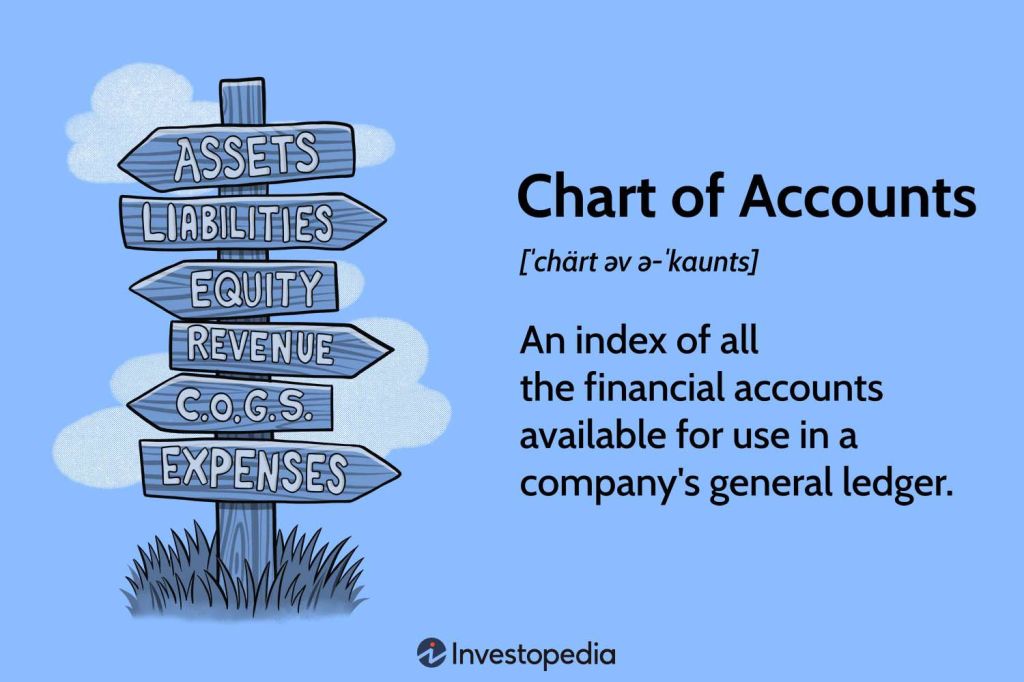
A chart of accounts is a list of all the accounts that a business uses to record its financial transactions. This includes assets, liabilities, equity, revenue, and expenses. It is essential to have a well-organized chart of accounts to ensure that financial statements are accurate and easy to understand.

“Managers and investors alike must understand that accounting numbers are the beginning, not the end, of business valuation.”

Financial Statements
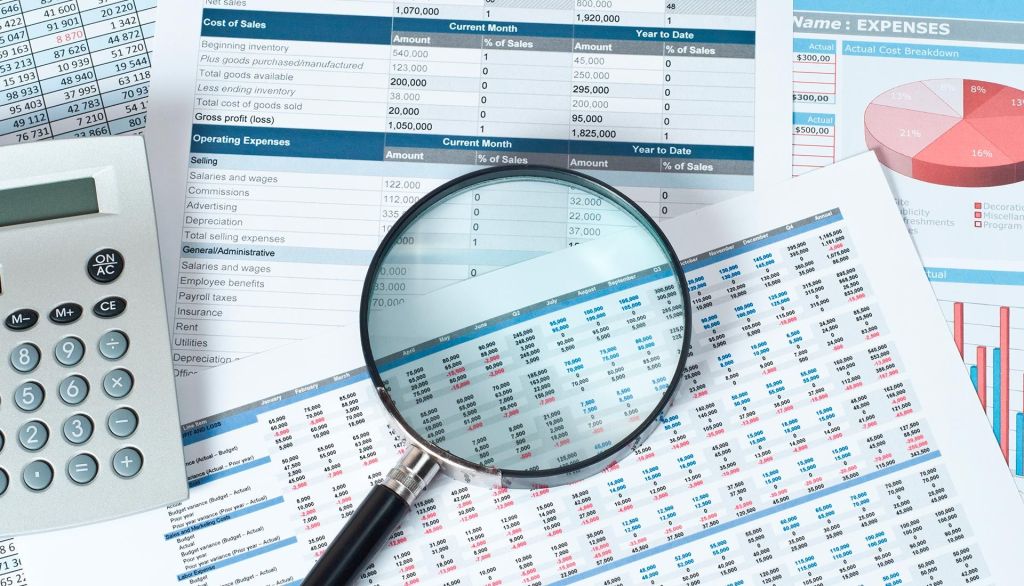
Financial statements are a summary of a business’s financial transactions. They include an income statement, balance sheet, and cash flow statement. These statements provide insight into a business’s financial health and are essential for decision-making.

“Balanced budget requirements seem more likely to produce accounting ingenuity than genuinely balanced budgets.”

Budgeting
Budgeting is the process of creating a financial plan for a business. It involves setting financial goals and developing a plan to achieve them. A budget can help a small business owner manage cash flow, plan for growth, and make informed decisions.

People don’t pay attention. And then one day there’s an accounting. And after that, nothing is the same.

It goes without saying that understanding basic accounting principles is essential for small business owners. By following these principles, you can ensure that your financial records are accurate, reliable, and easy to understand. This will help you make informed decisions and achieve financial success.

A Guide To Investing in Bitcoin: What You Need To Know First

Disclaimer: This article is strictly educational and not meant to promote the trading of Bitcoin or any cryptocurrency

“We have elected to put our money and faith in a mathematical framework that is free of politics and human error.”

Bitcoin has been a hot topic in the financial world for quite some time now. This digital currency has been making headlines due to its skyrocketing value, but investing in Bitcoin is not as simple as investing in traditional stocks or bonds. In this article, we will discuss the steps you need to take in order to invest in Bitcoin.

“Research is seeing what everybody else has seen and thinking what nobody else has thought.”

Step 1: Do Your Research

The first step to investing in Bitcoin is to do your research. Bitcoin is a volatile asset, and its price can fluctuate rapidly. Before investing in Bitcoin, you need to understand its technology, history, and current market trends.

Bitcoin is a decentralized digital currency that is based on blockchain technology. It was created in 2009 by an anonymous person or group of people under the name of Satoshi Nakamoto. It is created through a process called mining, in which powerful computers solve complex mathematical equations to create new Bitcoin.

Bitcoin’s value is determined by supply and demand, which means that its price can fluctuate based on market trends and investor sentiment. Before investing in Bitcoin, you should research its history, including its previous price movements, any regulatory changes, and any major news events that may have affected its price.

“Every informed person needs to know about Bitcoin because it might be one of the world’s most important developments.”

Step 2: Choose a Bitcoin Exchange

Once you have done your research, you need to choose a Bitcoin exchange. A Bitcoin exchange is a platform that allows you to buy, sell, and trade Bitcoin. There are many Bitcoin exchanges available, but you need to choose a reputable and secure one.

Some of the most popular Bitcoin exchanges include Coinbase, Binance, Kraken, and Bitstamp. When choosing a Bitcoin exchange, you need to consider factors such as its fees, security measures, and user interface.

“Carry your most important goal in your wallet”

Step 3: Create a Bitcoin Wallet

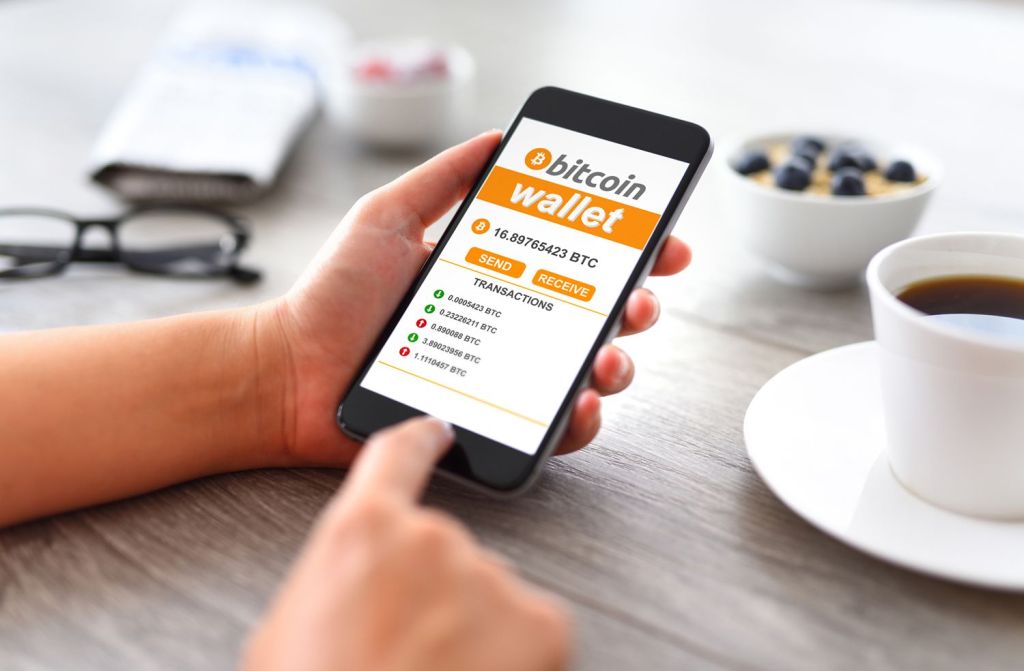
After choosing a Bitcoin exchange, you need to create a Bitcoin wallet. A Bitcoin wallet is a digital wallet that allows you to store your Bitcoin securely. There are many types of Bitcoin wallets, including hardware wallets, software wallets, and paper wallets.

Hardware wallets are the most secure type of Bitcoin wallet, as they store your Bitcoin offline. Software wallets are also secure, but they are connected to the internet, which means that they are more susceptible to hacking. Paper wallets are the least secure type of Bitcoin wallet, as they are vulnerable to physical damage and theft.

“Bitcoin is a technological tour de force.”

Step 4: Buy Bitcoin

Once you have created a Bitcoin wallet, you can buy Bitcoin. You can buy Bitcoin using a credit card, debit card, bank transfer, or other payment methods, depending on the Bitcoin exchange you choose. You need to follow the instructions provided by the Bitcoin exchange to buy Bitcoin.

“Nothing has such power to broaden the mind as the ability to investigate systematically and truly all that comes under thy observation in life.”

Step 5: Monitor Your Investment

After buying Bitcoin, you need to monitor your investment. Bitcoin is a volatile asset, and its price can fluctuate rapidly. You need to keep an eye on the market trends and adjust your investment strategy accordingly.


In conclusion, investing in Bitcoin can be a lucrative investment opportunity, but it is not without risks. Before investing in Bitcoin, you need to do your research, choose a reputable Bitcoin exchange, create a secure Bitcoin wallet, buy Bitcoin, and monitor your investment. By following these steps, you can invest in Bitcoin with confidence.

The Financial Benefits of Getting Health Insurance and Life Cover Early

By Kesaobaka Pelokgale

“Time and health are two precious assets that we don’t recognize and appreciate until they have been depleted.”

As a young person, it’s easy to think that health insurance and life cover are unnecessary expenses. After all, you’re young and healthy, right? investing in these types of insurance policies early on can have a variety of benefits that you may not have considered. In this article, we’ll take a look at the advantages of having health insurance and life cover at a young age.

“Without health insurance, getting sick or injured could mean going bankrupt, going without needed care, or even dying needlessly”

Health Insurance

Reduced Cost
One of the biggest advantages of having health insurance at a young age is that it can be less expensive than getting coverage when you’re older. Health insurance premiums tend to increase with age, so by getting coverage early, you can lock in lower rates and save money in the long run.

“By failing to prepare, you are preparing to fail.”

Preventive Care
Most health insurance policies cover preventive care, such as annual physicals, immunizations, and screenings. By getting these types of services on a regular basis, you can catch health problems early and prevent them from becoming more serious and expensive to treat.

A balanced inner calmness radiates from a peaceful centre. It neither craves others’ approval nor rejects others’ presence.

Peace of Mind
When you have health insurance, you can have peace of mind knowing that you’re covered in case of a medical emergency. You won’t have to worry about going into debt or facing financial ruin if you need unexpected medical care.


“You don’t buy life insurance because you are going to die, but because those you love are going to live.”

Life Cover

Protection for Your Loved ones Life cover provides financial protection for your loved ones in the event of your unexpected death. If you have dependents, such as a spouse or children, life cover can provide them with the financial support they need to maintain their standard of living and achieve their goals, even after you’re gone.

“It’s unwise to pay too much…but it’s worse to pay too little.”

Lower Premiums
Like health insurance, life cover premiums tend to increase with age. By getting coverage at a young age, you can lock in lower premiums and save money in the long run.

Nothing can disturb your peace of mind unless you allow it to”

Peace of Mind…..again
Just like with health insurance, having life cover can provide you with peace of mind knowing that your loved ones will be taken care of if something unexpected happens to you. You won’t have to worry about leaving them in a difficult financial situation.

“Without health insurance, getting sick or injured could mean going bankrupt, going without needed care, or even dying needlessly.”

Investing in health insurance and life cover at a young age can have numerous benefits, including lower costs, peace of mind, and financial protection for your loved ones. By starting early, you can take advantage of lower premiums and ensure that you have the coverage you need when you need it. Don’t wait until it’s too late – consider getting health insurance and life cover today.

Why Investing in Yourself Should Be Your Top Priority

By Kesaobaka Pelokgale

At the end of your life’s journey, what do you want to say you did with your time? There is enough time if you choose to invest it in yourself. Inch by inch, day by day . . . make yourself a priority.

Investing in yourself is one of the best investments you can make. It is not only beneficial for your personal growth but can also have a positive impact on your career, relationships, and overall quality of life. In this article, we will discuss the benefits of investing in yourself and why it should be a priority in your life.

An investment in self-development pays the highest dividends.

Personal Growth
Investing in yourself is a great way to promote personal growth. By taking the time to learn new skills, explore new hobbies, and challenge yourself, you can expand your knowledge and become a better version of yourself. This can lead to a sense of fulfillment and a greater sense of self-awareness.

Every penny NOT spent on investing in yourself (after basic needs of course) may be a wasted future opportunity from missing learns and connects.”


Improved Career Prospects
Investing in yourself can also improve your career prospects. By acquiring new skills, taking on new challenges, and developing your existing talents, you can become a more valuable employee and increase your chances of success in your career. You may also be able to command a higher salary and have more job security.

“We can improve our relationships with others by leaps and bounds if we become encouragers instead of critics.”

Better Relationships
Investing in yourself can also have a positive impact on your relationships. When you prioritize your own well-being, you are better equipped to handle the stresses of daily life, including those that come with relationships. You may also become a better listener, communicator, and more empathetic, which can improve your relationships with family, friends, and colleagues.

“To overcome fear is the quickest way to gain your self-confidence.”

Increased Confidence
Investing in yourself can also increase your confidence. By developing new skills and talents, you can gain a sense of accomplishment and pride in your abilities. This can translate into greater confidence in other areas of your life, such as social situations and work-related interactions.

What would your life look like without today’s obstacles in front of you?

Greater Resilience
Investing in yourself can also help you become more resilient. By developing new coping mechanisms and stress-management strategies, you can better handle difficult situations and bounce back from setbacks. This can help you become more resilient in your personal and professional life.

“Mental health…is not a destination, but a process. It’s about how you drive, not where you’re going.”

Improved Mental and Physical Health
Investing in yourself can also have a positive impact on your mental and physical health. By prioritizing self-care and making time for activities that bring you joy, you can reduce stress and improve your overall well-being. This can lead to improved physical health, reduced risk of illness, and a more positive outlook on life.

“A creative life is an amplified life

Increased Creativity
Investing in yourself can also increase your creativity. By exploring new hobbies, learning new skills, and challenging yourself, you can open up new avenues for creative expression. This can lead to greater innovation, problem-solving, and a more fulfilling life.

“Do not bother just to be better than your contemporaries or predecessors. Try to be better than yourself.”

Investing in yourself is one of the best investments you can make. It can lead to personal growth, improved career prospects, better relationships, increased confidence, greater resilience, improved mental and physical health, and increased creativity. By prioritizing your own well-being, you can lead a more fulfilling and satisfying life. So, make investing in yourself a priority today!

Understanding Alternative Investments: Risks, Rewards, and Everything in Between

By Kesaobaka Pelokgale

Invest for the long haul. Don’t get too greedy and don’t get too scared

Alternative investments are a growing trend among investors who are seeking to diversify their portfolios and achieve higher returns. These types of investments are becoming increasingly popular as investors seek to move beyond the traditional categories of stocks, bonds, and cash, and look to invest in assets that offer greater diversification and potential for higher returns.

Types of alternative investments

Before we cover the advantages and disadvantages of alternative investments, let us take a look at the different types of alternative investments available to an investor

“The best investment on earth is earth.”

Real Estate: This includes buying and holding properties, investing in real estate investment trusts (REITs), or crowdfunding real estate deals.

Private equity has been the purview of super wealthy individuals and institutions.

Private equity: This refers to investing in private companies, either directly or through private equity funds, that are not publicly traded.

The key is to wait. Sometimes the hardest thing to do is to do nothing

Hedge funds: These are investment funds that employ various investment strategies and techniques, such as leveraging and short selling, to generate returns.

Commodities such as gold and silver have a world market that transcends national borders, politics, religions, and race. A person may not like someone else’s religion, but he’ll accept his gold.

Commodities: These are physical goods, such as gold, oil, and agricultural products, that are traded on exchanges or purchased directly.

“Treat a work of art like a prince: let it speak to you first.”

Art and collectibles: This refers to investing in high-end art, rare collectibles, and other luxury items that have the potential to appreciate in value.

Every smart person that I admire in the world, and those I semi-fear, is focused on this concept of crypto for a reason

Cryptocurrencies: These are digital currencies that use encryption techniques to regulate the generation of units of currency and verify the transfer of funds.


By far the most significant event in finance during the past decade has been the extraordinary development and expansion of financial derivatives


Derivatives: These are financial instruments that derive their value from an underlying asset, such as options and futures contracts.

If you are family don’t bother asking if you can borrow money, we both know you are never going to pay it back. Just say it as it is

Peer-to-peer lending: This refers to lending money to individuals or businesses through online platforms that match borrowers with investors

Why alternative investments?

Success in investing doesn’t correlate with IQ … what you need is the temperament to control the urges that get other people into trouble in investing.”

These investments are often riskier than traditional investments, but can also offer higher potential returns. In addition, many alternative investments are not directly correlated with traditional markets, which means that they can provide diversification benefits that are not available with traditional investments.

One of the primary benefits of alternative investments is their potential for higher returns. Real estate, for example, can provide rental income as well as appreciation in value over time. Commodities like gold can provide protection against inflation and economic uncertainty. Hedge funds and private equity can offer higher potential returns than traditional stocks and bonds, although they are also generally riskier.

We can no longer let the threat of an early frost send a chill of fear throughout a large portion of our workforce. Diversification is the only answer

Another benefit of alternative investments is their potential to provide diversification. By investing in assets that are not directly correlated with traditional stocks and bonds, investors can spread their risk across a variety of investments. This can help to reduce the overall risk of their portfolios and provide a buffer against market volatility.

Every project has challenges, and every project has its rewards

However, alternative investments also come with their own unique challenges and risks. Many of these investments are not easily traded or liquid, which means that they can be difficult to sell quickly if needed. Additionally, some alternative investments require a significant upfront investment, which can be a barrier for many investors.

Another challenge with alternative investments is the lack of transparency and regulation. Unlike traditional investments, which are subject to strict reporting requirements and regulations, many alternative investments are not subject to the same level of oversight. This can make it difficult for investors to evaluate the risks and returns of these investments and may increase the potential for fraud or misconduct.

“There is nothing wrong with a ‘know nothing’ investor who realizes it. The problem is when you are a ‘know nothing’ investor but you think you know something.”

Despite these challenges, many investors are attracted to alternative investments for their potential for higher returns and diversification. To succeed with alternative investments, investors should carefully consider their goals, risk tolerance, and investment horizon, and should work with a qualified financial advisor who can help them evaluate the risks and opportunities of these investments.

The most important quality for an investor is temperament, not intellect.”

In addition, investors should be prepared to do their homework and carefully evaluate each potential investment opportunity. This may include researching the investment, evaluating the track record of the investment manager or sponsor, and carefully reviewing the investment documents and disclosures.

“When money realizes that it is in good hands, it wants to stay and multiply in those hands.”

Overall, alternative investments can be a valuable addition to a diversified portfolio, but they should be approached with caution and care. By working with a qualified financial advisor and taking the time to evaluate each investment opportunity, investors can make informed decisions that can help them achieve their financial goals.

A Brief Analysis of Global Economic Trends and Their Impact on Personal Finance

By Kesaobaka Pelokgale

The global economy is constantly evolving, and keeping up with economic trends is essential for individuals to make informed decisions about their personal finances. In recent years, the world economy has faced numerous challenges, from the COVID-19 pandemic to geopolitical tensions and trade disputes. In this article, we will explore some of the major global economic trends and their impact on personal finance.

Interest rates

Interest rates are a crucial factor in personal finance. They determine the cost of borrowing money and the return on savings. In recent years, interest rates have been low in many parts of the world, in response to the economic slowdown caused by the pandemic. This has been good news for borrowers, who can take advantage of cheap credit to invest or purchase assets. However, it has also meant that savings accounts and other low-risk investments have yielded very little return. For those looking to maximize their savings, it may be necessary to consider alternative investments such as stocks, real estate or commodities.


Inflation

Inflation is the rate at which prices for goods and services increase over time. It is another critical factor to consider when managing personal finances. Inflation can erode the purchasing power of savings over time, as the value of money decreases. Inflation has been a concern for many economies in recent years, particularly as governments have implemented expansionary monetary policies to boost economic growth. However, the COVID-19 pandemic has caused a supply chain disruption, which has led to significant inflation in some areas. The impact of inflation on personal finances can vary depending on an individual’s situation. Those with high levels of debt may benefit from inflation, as it decreases the real value of their debt. Conversely, those with fixed incomes or savings may find it challenging to maintain their standard of living.


Geopolitical tensions and trade disputes

Geopolitical tensions and trade disputes have become increasingly prevalent in recent years, with significant consequences for the global economy. The ongoing trade war between the United States and China, for example, has led to tariffs and restrictions on imports and exports, which has affected global supply chains and increased prices for consumers. These disputes can also lead to currency fluctuations, which can impact exchange rates and the value of investments. Personal finance can be impacted in several ways, such as reduced job security, increased prices for goods and services, or reduced returns on investments.


Technological advancements

Technology has revolutionized the global economy, with new innovations changing the way we work, shop, and invest. Advancements in fintech, for example, have made it easier for individuals to access financial services and manage their investments online. However, technology can also disrupt traditional industries and jobs, leading to job losses and changes in employment trends. Personal finance can be impacted by technology in various ways, from increased convenience and access to financial services to the need to adapt to new economic realities and find new job opportunities

It is my opinion that keeping up with global economic trends is critical for individuals to make informed decisions about their personal finances. Interest rates, inflation, geopolitical tensions, trade disputes, and technological advancements are just some of the factors that can impact personal finance. By staying informed and adapting to changing economic conditions, individuals can navigate the challenges and opportunities of the global economy to achieve their financial goals.

The Silent Thief: How Scams Steal More Than Money

By Kesaobaka Pelokgale

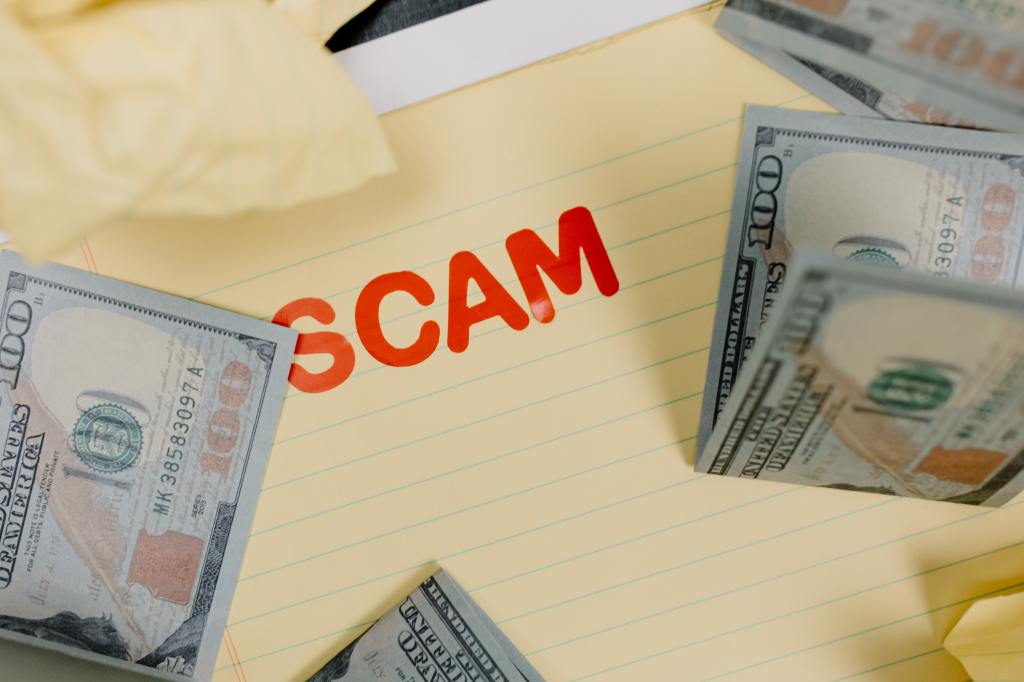
“Scams don’t hunt the weak, they hunt the hurried, the hopeful, and the overconfident.”

Where there is trust, there is opportunity, not just for connection, but for exploitation. Scams thrive in the quiet space between what we hope is true and what we choose to verify. In a world where appearances can be manufactured and urgency can be faked, even the wisest among us can be fooled. From smooth-talking callers to professional-looking emails, deception has many faces. But awareness is our first line of defense. This article offers insights and practical tips to help you recognize the signs, pause before you act, and protect yourself from the ever-changing art of the scam..

Caller apps like Truecaller can detect popular scam numbers

Be wary of unsolicited calls, emails, or texts

One of the most common ways scammers will try to reach you is through unsolicited calls, emails, or texts. They may claim to be from a well-known company or organization and ask for personal information or money. If you receive an unexpected call or email, do not give out any personal information, and do not click on any links or download any attachments. Instead, hang up or delete the message and contact the company directly using a trusted phone number or email address.

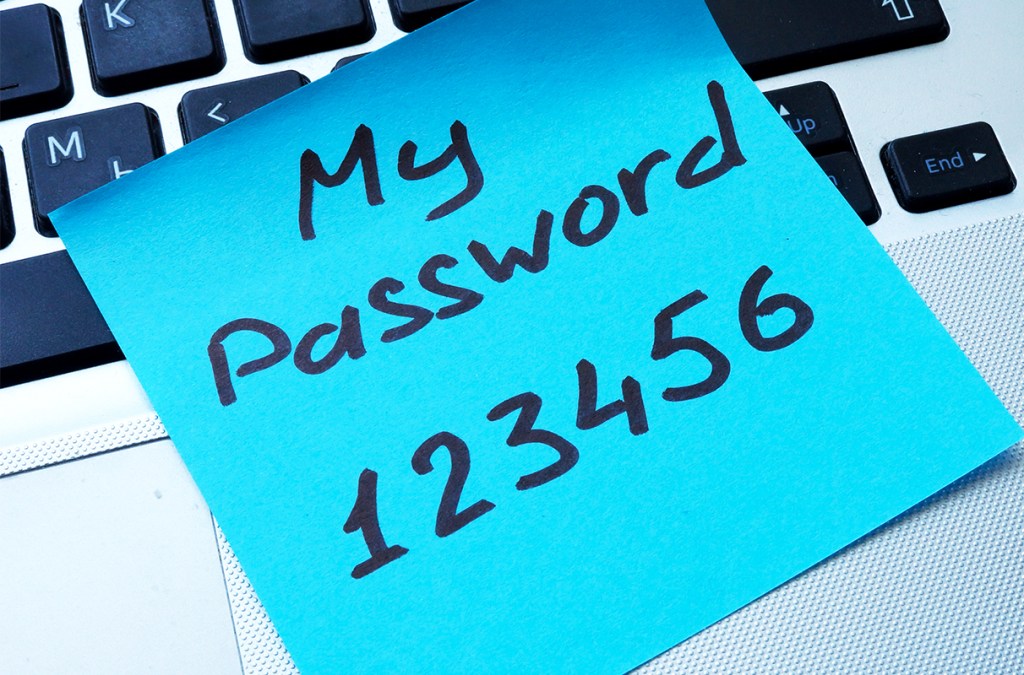
Passwords are like underwear: you don’t let people see it, you should change it very often, and you shouldn’t share it with strangers

Use strong passwords and two-factor authentication

One of the best ways to protect your personal information online is to use strong passwords and enable two-factor authentication wherever possible. This can prevent scammers from gaining access to your accounts, even if they manage to obtain your password. A strong password should be at least 12 characters long, include a mix of uppercase and lowercase letters, numbers, and symbols. Two-factor authentication, which requires you to provide a second form of identification, such as a code sent to your phone, can add an extra layer of security to your accounts.

What is research but a blind date with knowledge

Research before you invest

Investment scams are common, and scammers often use high-pressure tactics to convince people to invest in fraudulent schemes. Before you invest, make sure you research the company and check if it is registered with the appropriate regulatory agencies. Also, be wary of promises of high returns or guarantees of profit, as these are often signs of a scam.

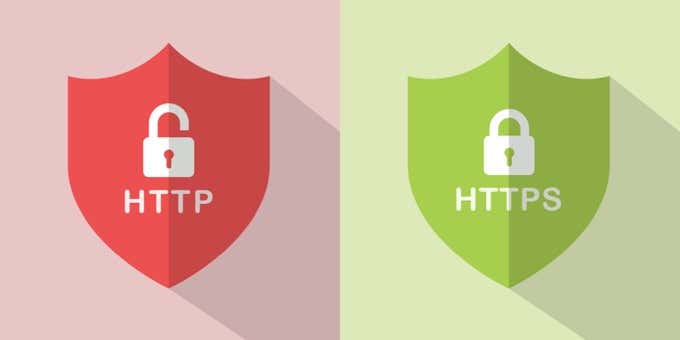
HTTPS uses encryption for secure communication over a computer network

Don’t be fooled by fake websites

“It’s not enough to be up to date, you have to be up to tomorrow.”

Scammers may create fake websites that look like legitimate ones to trick people into entering their personal information. Before entering any personal information, make sure you check the website’s URL to ensure it is the correct one. You can also look for security indicators, such as a lock icon in the address bar or “https” in the URL, which indicates that the website is secure.

Stay up-to-date on scams

Scammers are constantly coming up with new ways to trick people, so it’s essential to stay up-to-date on the latest scams. You can do this by checking the Federal Trade Commission’s website or subscribing to scam alerts from your bank or credit card company. If you receive an email or call that seems suspicious, you can also do a quick internet search to see if others have reported similar scams.

Always remember scammers are everywhere, but by following these tips, you can protect yourself from their fraudulent activities. Remember to be wary of unsolicited calls or emails, use strong passwords and two-factor authentication, research before you invest, be careful with fake websites, and stay up-to-date on the latest scams. With these precautions, you can avoid becoming a victim of scammers and keep your personal information and money safe.

The History of Cryptocurrency

By Kesaobaka Pelokgale

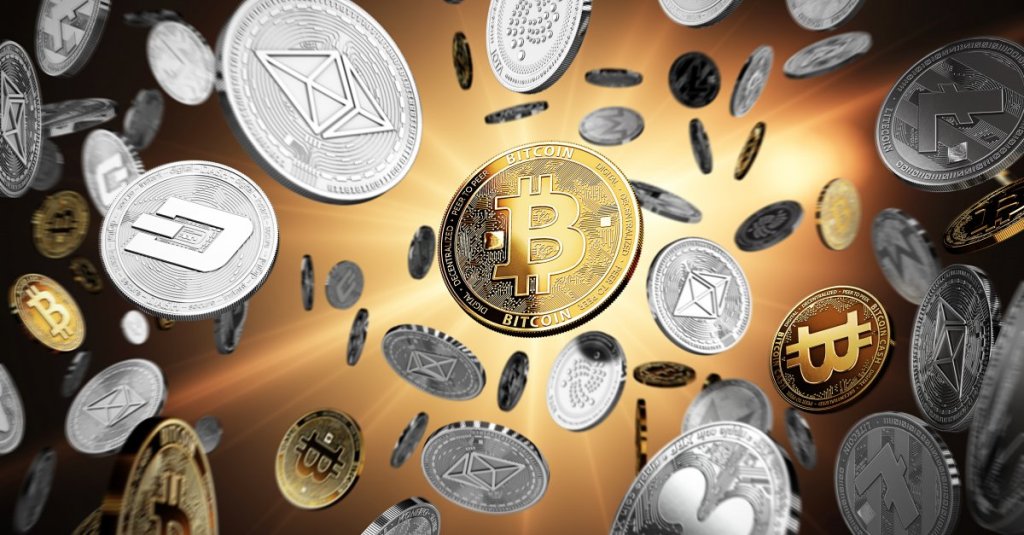
The number of Cryptocurrencies has now exceeded 12,000

Cryptocurrency, a digital or virtual currency that uses cryptography for security and operates independently of a central bank, has revolutionized the way we think about money and the financial system.

The history of cryptocurrency dates back to the early 2000s when researchers and enthusiasts began experimenting with decentralized digital currencies. In this article, we will take a closer look at the history of cryptocurrency and how it has evolved over time.

“It’s gold for nerds”

The Origins of Cryptocurrency

The origins of cryptocurrency can be traced back to a paper published in 2008 by a person or group using the pseudonym Satoshi Nakamoto. The paper, titled “Bitcoin: A Peer-to-Peer Electronic Cash System,” proposed a new decentralized digital currency that would be based on a blockchain, a distributed ledger technology that would be resistant to fraud and tampering.

The first cryptocurrency, Bitcoin, was launched in January 2009, and it quickly gained popularity among enthusiasts who saw it as a new way to transact value without the need for intermediaries like banks or other financial institutions. Bitcoin’s popularity also stemmed from its promise of anonymity and security, as transactions on the Bitcoin network are pseudonymous and encrypted.

Bitcoin’s Rise to Prominence

Virtual Currencies may hold long-term promise, particularly if the innovations promote a faster, more secure and more efficient payment system.”

The most popular cryptocurrency, Bitcoin, was launched in January 2009. In its early days, Bitcoin was largely the domain of a small group of enthusiasts and early adopters who were passionate about the potential of cryptocurrency. However, as Bitcoin’s value began to rise, it started to attract more mainstream attention, and a growing number of businesses began to accept it as a form of payment.

In 2011, the first major Bitcoin exchange, Mt. Gox, was launched, making it easier for people to buy and sell Bitcoin using traditional fiat currencies. The exchange quickly became the dominant player in the Bitcoin market, accounting for the majority of Bitcoin transactions worldwide.

Bitcoin’s popularity continued to grow, and by late 2013, its value had soared to over $1,000, making it one of the fastest-growing investments in history. However, in early 2014, Mt. Gox filed for bankruptcy after it was revealed that the exchange had lost hundreds of millions of dollars worth of Bitcoin due to hacking and other security breaches.

The Evolution of Cryptocurrency

“code is law”- Ethereum classic motto

Despite the collapse of Mt. Gox, the popularity of cryptocurrency continued to grow, and a growing number of new cryptocurrencies were launched in the years that followed. These new cryptocurrencies, or altcoins, were designed to address some of the perceived shortcomings of Bitcoin, such as its slow transaction times and high transaction fees.

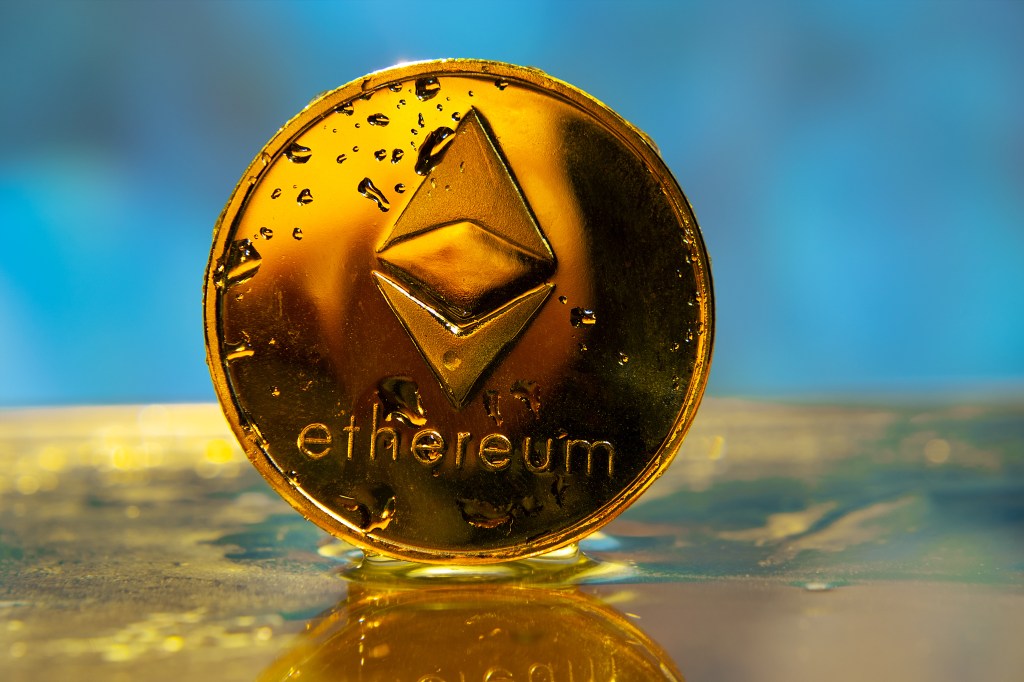
One of the most successful altcoins is Ethereum, which was launched in 2015. Ethereum is not just a cryptocurrency, but a decentralized computing platform that allows developers to build and deploy decentralized applications (dapps) on top of its blockchain.

Since Ethereum’s launch, a wide range of new cryptocurrencies and blockchain-based projects have emerged, each with its own unique features and use cases. These projects range from decentralized finance (DeFi) platforms that allow people to lend and borrow cryptocurrencies without the need for intermediaries, to blockchain-based voting systems that aim to make elections more secure and transparent.

Is digital currency the future?

The history of cryptocurrency is a relatively short one, but it is a story of rapid innovation and change. What started as an experiment in decentralized digital currencies has grown into a global phenomenon that is changing the way we think about money, finance, and even democracy. While the future of cryptocurrency is still uncertain, one thing is clear: it is here to stay, and it will continue to shape the world in new and unexpected ways.

Is It Getting Ahead of the Game? The Benefits and Risks of Taking Out a Loan at a Young Age

By Kesaobaka Pelokgale

It’s easy to get a loan unless you need it

Before we delve deeper into the issue of getting a loan at a young age we must first establish what a loan is and the different types of loans available. The simplest definition of a loan is money taken from an entity with an obligation to repay at a certain time at a certain rate. There are several types of loans available for individuals depending on their financial needs and circumstances.

Debt can prove to be ones greatest source of income…..or ones greatest source of despair

Personal loans: These are unsecured loans that you can use for any purpose, such as paying off high-interest debt, making home improvements, or covering unexpected expenses. Personal loans typically have fixed interest rates and repayment terms.

Student loans: These loans are designed to help students pay for education-related expenses, such as tuition fees, books, and living expenses.

Auto loans: These are loans used to purchase a new or used vehicle. Auto loans can be secured or unsecured and have fixed or variable interest rates.

Home equity loans: These are loans that allow homeowners to borrow against the equity in their homes. Home equity loans typically have lower interest rates than other types of loans and can be used for home improvements, debt consolidation, or other expenses.

Credit card loans: These are loans that allow you to borrow money using your credit card. Credit card loans often have high interest rates and fees, and it’s important to pay off the balance as quickly as possible to avoid accumulating debt.

The mind is not a vessel to be filled, but a fire to be kindled

Now that we have covered all that lets begin with the matter at hand. As a youth, it can be challenging to balance your finances and achieve your goals. Whether you want to buy a car, start a business, or further your studies, it often requires a significant amount of money that you may not have. That’s where getting a loan at a an early stage in life can be important.

One of the main benefits of getting a loan at a young age is that it can help you establish credit. Credit is not just a term that only exists in western media, it is the goodwill that all individuals carry as a token of their ability to meet obligations. Credit is essential in today’s world, and having a good credit score can help you secure loans, credit cards, and other financial products in the future. By borrowing money and making timely payments, you can demonstrate to lenders that you are responsible and trustworthy, which can improve your credit score.

I envy he who can accomplish his greatest dreams with only his paycheck

In addition to building credit, getting a loan can also help you achieve your goals. For example, if you want to start a business, you may need to borrow money to purchase equipment, hire employees, or rent a space. With a loan, you can get the capital you need to launch your business and start generating revenue. Similarly, if you want to go to college, a student loan can help you pay for tuition, textbooks, and other expenses.

Finally, getting a loan at a young age can teach you important financial skills. When you borrow money, you’ll need to make a plan to repay it, which can help you develop budgeting and money management skills. You’ll also learn about interest rates, fees, and other aspects of borrowing money, which can help you make informed decisions about your finances in the future.

A small loan makes one a debtor. A great one, an enemy

Of course, getting a loan also comes with risks, and it’s important to borrow responsibly. Make sure you understand the terms of the loan, including the interest rate, repayment period, and any fees. Be realistic about your ability to repay the loan, and make a plan to do so. With careful planning and responsible borrowing, getting a loan at a young age can be an important step towards achieving your goals and building a strong financial future.

The Importance of Financial Literacy: Why Everyone Needs to be Money-Savvy

By Kesaobaka Pelokgale

Knowledge gives one power over all things financial

Financial literacy is the ability to understand and manage one’s financial resources effectively. It involves the knowledge and skills required to make informed decisions about financial matters, such as managing personal finances, investing, and planning for retirement. In today’s world, financial literacy is more important than ever, as individuals are increasingly responsible for their own financial futures.

The importance of financial literacy cannot be overstated. Without a basic understanding of financial concepts, individuals may struggle to manage their finances effectively, leading to financial difficulties and stress. Furthermore, lack of financial literacy can result in missed opportunities to grow one’s wealth and achieve financial goals.

The most difficult thing is the decision to act, the rest is merely tenacity

To become financially literate, individuals should start by understanding basic financial concepts such as budgeting, debt, saving, and investing. Budgeting involves creating a plan for how to allocate income and expenses, and can be an effective way to track spending and ensure that money is being used wisely. Understanding debt is also important, as it can have a significant impact on one’s financial well-being. It is essential to understand how interest rates work and how to manage debt effectively to avoid falling into financial hardship.

Secure your future, one investment at a time.”

Saving is another critical concept in financial literacy. Saving allows individuals to build a financial cushion that can be used to cover unexpected expenses, such as medical bills or car repairs. It is also essential for long-term financial planning, such as saving for retirement. Investing is another key concept in financial literacy, as it allows individuals to grow their wealth over time. Understanding the different types of investment options and the risks involved is critical to making informed investment decisions.

In addition to understanding financial concepts, individuals should also be aware of the various financial products and services available to them. This includes understanding different types of bank accounts, credit cards, loans, and investment vehicles. It is also important to be aware of the fees associated with these products and services to avoid unnecessary expenses.

“A day one spent without learning is a day wasted”

It is imperative that individuals seek out educational resources, such as books, online courses, and workshops. Financial advisors can also provide valuable guidance and advice on financial planning and investment strategies. Many employers also offer financial literacy programs as part of their benefits package, which can be a valuable resource for employees.

In conclusion, financial literacy is a critical life skill that everyone should strive to develop. By understanding basic financial concepts, being aware of financial products and services, and seeking out educational resources, individuals can take control of their financial futures and achieve their financial goals. With the right knowledge and skills, anyone can become financially literate and enjoy a more secure financial future.