
By Kesaobaka Pelokgale

Financial regulatory authorities exist to oversee and regulate financial markets, institutions, and participants to ensure that they operate fairly, transparently, and efficiently. These regulatory bodies are typically established by governments and operate with the goal of protecting consumers, maintaining market stability, and preventing fraud and abuse.

The existence of financial regulatory authorities is essential for several reasons. Firstly, they are responsible for safeguarding the integrity of financial systems. Financial markets and institutions are highly complex and interconnected, and their proper functioning is critical to the stability of the economy as a whole. Regulators ensure that participants in financial markets comply with established rules and regulations, which helps to prevent systemic risks that can destabilize the entire financial system.

Secondly, financial regulatory authorities work to protect consumers and investors from fraud and other forms of abuse. Financial markets can be highly speculative, and unscrupulous individuals and organizations may take advantage of unsuspecting investors. Regulators enforce rules that require financial service providers to disclose all relevant information to consumers and investors, ensuring that they can make informed decisions.
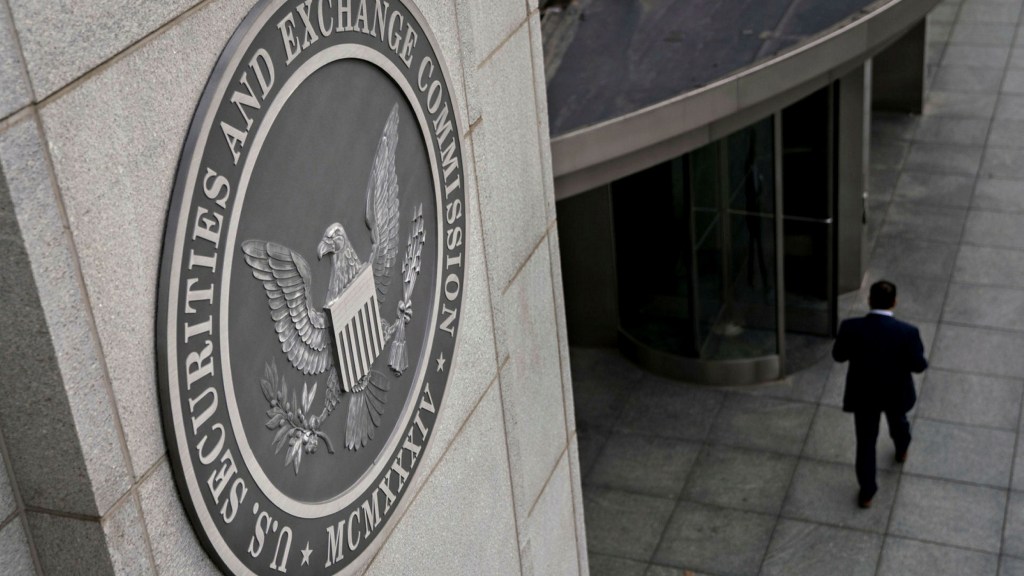
Thirdly, financial regulators are tasked with promoting transparency and accountability in financial markets. Transparency and accountability are essential for building trust in financial systems and institutions. Regulators ensure that market participants adhere to reporting and disclosure requirements, which help to prevent fraudulent activities and promote confidence in the market.
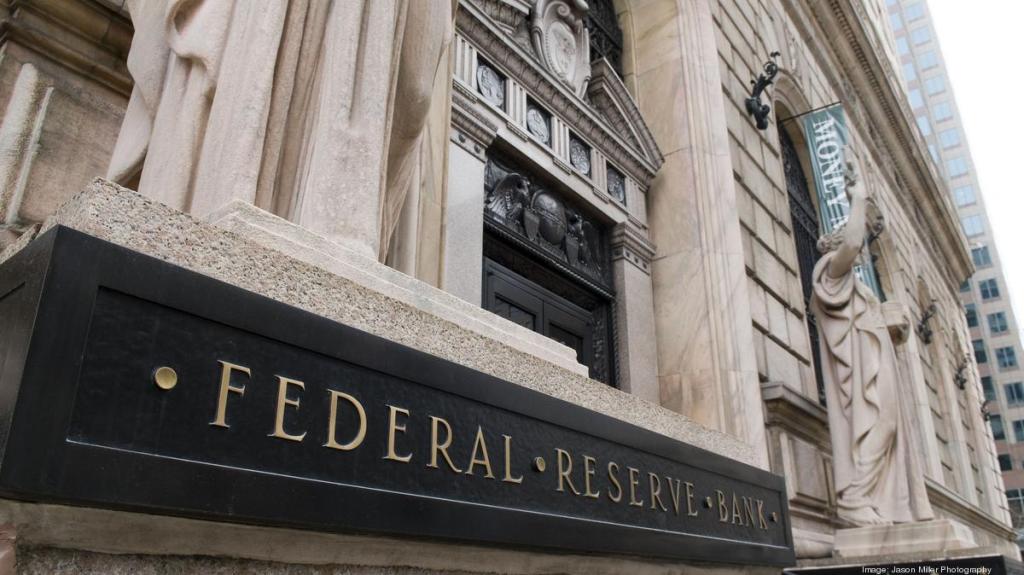
Finally, financial regulatory authorities exist to ensure that financial institutions operate in a manner that is consistent with the broader goals of the economy. For example, regulators may work to promote competition and innovation in financial markets, or they may work to promote the availability of credit to small businesses and other underserved populations.

In summary, financial regulatory authorities exist to protect consumers, maintain market stability, prevent fraud and abuse, promote transparency and accountability, and ensure that financial institutions operate in a manner consistent with broader economic goals. Without regulatory oversight, financial markets and institutions would be vulnerable to abuses that could destabilize the entire financial system and harm the broader economy. Therefore, the existence of financial regulatory authorities is essential for the proper functioning of the financial system and the protection of consumers and investors.

 Finance Corner With Pelokgale
You learn something new everyday😍
LikeLiked by 1 person
As we should
LikeLike