
By Kesaobaka Pelokgale

Intellectual property refers to creations of the mind that are protected under the law, including inventions, literary and artistic works, symbols, names, and images used in commerce. Intellectual property laws are designed to protect the interests of creators, inventors, and businesses that invest significant resources into developing new ideas, products, and services.

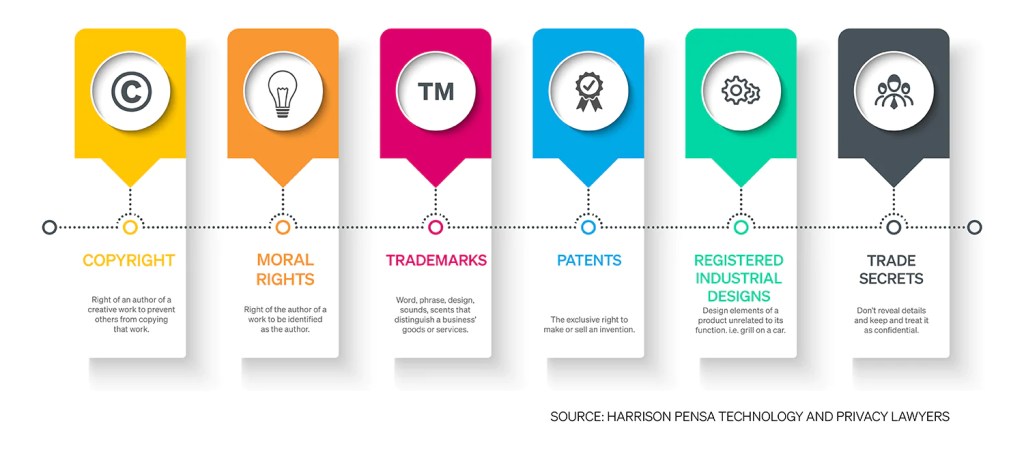
There are several types of intellectual property, including patents, trademarks, copyrights, trade secrets, and industrial designs. Each type of intellectual property provides different forms of protection and legal rights to the owner.

Patents are used to protect inventions and provide the owner with exclusive rights to make, use, and sell the invention for a certain period of time. In order to obtain a patent, an inventor must demonstrate that their invention is novel, non-obvious, and useful.

Trademarks are used to protect brand names, logos, and other symbols that are used to identify and distinguish a company’s products or services from those of its competitors. Trademark owners have the exclusive right to use their marks and can prevent others from using similar marks that could cause confusion among consumers.

Copyrights are used to protect original works of authorship, including books, music, software, and other creative works. Copyright owners have the exclusive right to reproduce, distribute, and publicly display their works and can prevent others from using their works without permission.

Trade secrets are used to protect confidential information that provides a competitive advantage to a business, such as customer lists, manufacturing processes, and proprietary technologies. Trade secret owners have the right to prevent others from using or disclosing their confidential information.

Industrial designs are used to protect the visual appearance of a product, such as the shape, configuration, or pattern of a product. Industrial design owners have the exclusive right to use their designs and can prevent others from using similar designs that could create confusion among consumers.

Intellectual property laws are essential for promoting innovation and creativity and for protecting the interests of creators and businesses. However, intellectual property laws are also subject to criticism, particularly for their potential to limit access to essential goods and services and to hinder the development of new technologies and ideas.

In recent years, there has been growing interest in alternative approaches to intellectual property that prioritize open access, collaborative innovation, and the public good. Some of these approaches include open-source software, creative commons licensing, and patent pools.
Overall, intellectual property is an important and complex area of law that plays a crucial role in promoting innovation and creativity. As technology continues to evolve and new forms of creativity and innovation emerge, it is likely that intellectual property laws will continue to evolve as well to meet the changing needs of creators and businesses.

 Finance Corner With Pelokgale
Nicely laid out. Simple, straightforward and insightful.
LikeLike
Much appreciated feedback Keith🙏🏿
LikeLike