
By Kesaobaka Pelokgale
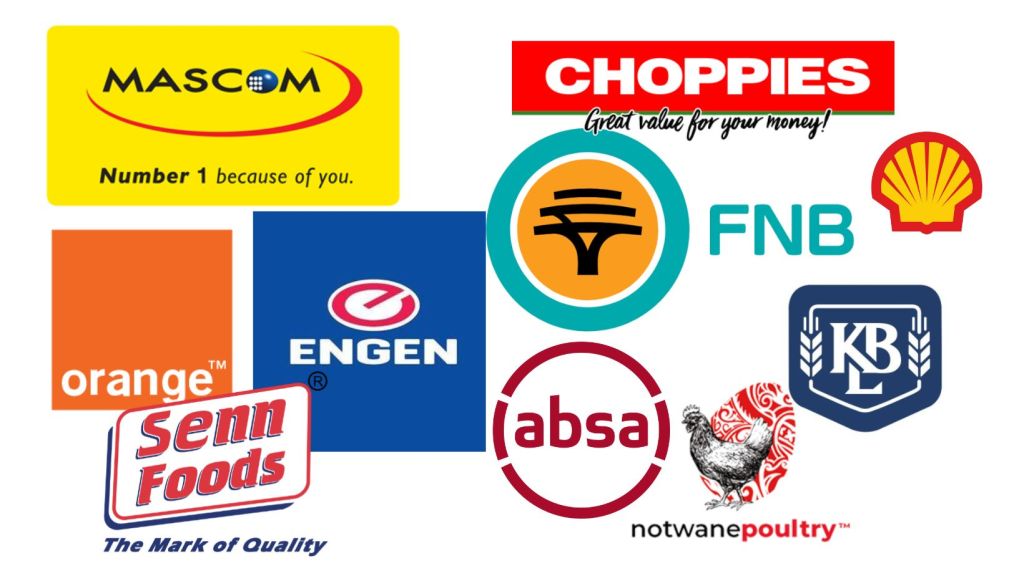
In the intricate tapestry of Botswana’s economic landscape, a select few wield significant influence, steering the course of entire industries. These entities, akin to modern-day economic titans, operate within the realm of oligopolies, where power is concentrated in the hands of a privileged few. Much like the ubiquitous board game Monopoly, where players vie for control over properties and resources, oligopolies dictate the flow of commerce and shape the livelihoods of millions.
But beyond the confines of a game board lies a reality where the stakes are real, and the consequences profound. In Botswana, oligopolistic forces exert their dominance across various sectors, from banking and retail to telecommunications and energy. Yet, beneath the surface lies a dichotomy of opportunity and peril, where the promise of prosperity is tempered by the perils of market manipulation and consumer exploitation.
As we embark on this journey of exploration, we invite you to peer behind the curtain and unravel the mysteries of oligopolies in Botswana. Through insightful analysis and actionable insights, we aim to demystify these economic behemoths and chart a course towards a more equitable and vibrant economy. Join us as we delve into the intricacies of oligopolistic power dynamics, and discover the transformative potential of fostering competition and consumer empowerment in Botswana’s economic landscape.
The Challenges of Oligopolies
When it comes to Oligopolies, Botswana faces a dual challenge: consumers contend with limited choice and inflated costs, while small-scale businesses confront towering barriers to entry. Hindered by these formidable obstacles, both groups strive for a future where competition flourishes and innovation prevails. Let’s take an in-depth look at some of these challenges:
Limited Competition: In oligopolistic markets, a small number of firms dominate, leading to reduced competition. This can result in higher prices for consumers, as firms have less incentive to compete on price and quality.
Collusion Risk: Oligopolistic firms may engage in tacit or explicit collusion to control prices or restrict output, further limiting competition and harming consumer welfare.
Barrier to Entry: High barriers to entry, such as significant capital requirements or regulatory hurdles, can prevent new firms from entering oligopolistic markets, perpetuating the dominance of existing players.
Market Power: Oligopolies wield significant market power, allowing them to influence market conditions, pricing, and industry standards to their advantage.
Innovation Stagnation: With less competitive pressure, oligopolistic firms may have less incentive to innovate or invest in research and development, potentially stifling technological progress and economic growth.
Consumer Welfare: Limited competition in oligopolistic markets can result in reduced consumer choice, lower product diversity, and potentially inferior goods and services.
Interconnected Shareholders: Shareholders often have interests across multiple related industries, creating interconnected networks of influence that extend beyond individual sectors. This interconnectedness may reinforce barriers to entry, inhibit competition, and limit consumer choice, warranting careful regulatory oversight.
Key Oligopolistic Sectors in Botswana
1. Banking and Finance: Major banks such as Standard Chartered Bank Botswana, First National Bank Botswana, Barclays Bank Botswana (now Absa), and Stanbic Bank dominate the banking sector in Botswana, collectively controlling a significant portion of the market.
2. Retail: Large retail chains like Choppies, Spar, Pick n Pay, Shoprite, and Game dominate the retail sector in Botswana, exerting substantial market power and influencing consumer choices.
3. Telecommunications: While the telecommunications sector has seen increased competition in recent years with the entry of private companies like Mascom and Orange, Botswana Telecommunications Corporation (BTC) remains a dominant player, particularly in fixed-line services.
4. Fuel Industry: In the fuel industry, companies such as Puma Energy, Engen, and Shell control a significant portion of the market, exerting influence over pricing and distribution of petroleum products.
5. Insurance: Leading insurance companies such as Botswana Insurance Holdings Limited (BIHL) subsidiaries (Botswana Life, Botswana Insurance Company, Botswana Insurance Fund Management), as well as other players like Metropolitan Botswana, control a significant portion of the insurance market in Botswana.
6. Poultry and Beef Sector: Companies like Irvines, Notwane Farms and Senn Foods play a dominant role in meat production and distribution, exerting significant influence over market dynamics and pricing.
Steps to Foster Competition and Mitigate Oligopoly Risks
Strengthen Antitrust Regulation:
Enforce antitrust laws rigorously to prevent anticompetitive behavior such as price-fixing, collusion, and abuse of market power. This can be done when regulatory authorities are without and free of corruption.
Strengthen Regulatory Oversight: Enhance regulatory oversight and enforcement mechanisms to prevent market abuses and ensure a level playing field for all market participants.
These regulatory authorities play a crucial role in overseeing various sectors of the economy, promoting competition, and protecting consumer interests.
- Banking Sector: The banking sector is overseen by the Bank of Botswana, which regulates and supervises banks to ensure financial stability and consumer protection.
- Retail Sector: The Competition and Consumer Authority (CCA) is responsible for promoting competition and protecting consumer welfare in Botswana.
- Telecommunications Sector: The Botswana Communications Regulatory Authority (BOCRA) regulates the telecommunications sector to ensure fair competition, consumer protection, and quality of service.
- Fuel Industry: The Botswana Energy Regulatory Authority (BERA) regulates the fuel industry, overseeing aspects such as fuel pricing, quality standards, licensing, and compliance with industry regulations.
- Insurance Sector: The Non-Bank Financial Institutions Regulatory Authority (NBFIRA) regulates and oversees insurance companies to ensure compliance with regulations and protect consumer interests.
- Anti-Corruption Oversight: The Directorate on Corruption and Economic Crime (DCEC) plays a crucial role in preventing and investigating corrupt practices within oligopolistic industries, ensuring fair competition and transparency in business operations.
Promote Market Entry: Reduce barriers to entry by streamlining regulatory processes, providing support to startups and SMEs, and fostering a culture of entrepreneurship.
Encourage Consumer Advocacy: Empower consumer protection agencies and civil society organizations to advocate for consumer rights and hold oligopolistic firms accountable for fair practices.
Invest in Innovation: Promote innovation and technological advancement through incentives, grants, and partnerships to mitigate the risk of innovation stagnation in oligopolistic markets.
Diversify Market Structure: Encourage diversification of industries and market structures to reduce reliance on oligopolistic sectors and promote a more balanced and competitive economy.
Enhance Transparency: Improve transparency and disclosure requirements to ensure that consumers have access to accurate information and can make informed choices in oligopolistic markets.
By implementing these measures, Botswana can embark on a transformative journey towards cultivating a more competitive, dynamic, and inclusive economic landscape. Through fostering healthy competition, the nation can empower consumers with greater choices, encourage innovation across industries, and lay the groundwork for sustainable economic growth. Addressing the pervasive challenges posed by oligopolies is not merely a strategic imperative but a moral obligation—one that paves the way for a resilient and prosperous future, ensuring the well-being and prosperity of the nation and its citizens for generations to come.

 Finance Corner With Pelokgale
The problem is that there’s too much corruption especially from those that should implement change. Maybe with a change of Government things would be better, but are the odds?, iv also noted how almost all the big players in industries, if you go to CIPA youl see how they have govt officials or national leaders as part of their boards. So they won’t remove food from their own mouth but rather from an average Motswana. Ba a ikhumisa. Another Oligopolistic industry ke ya dikoloi the market entry was raised to favour a certain player whom we all know and he literally runs it and every other industry in this country. Yole ke Ghost! Anyway that’s my 2cents. But this was very enlightening, thanks I learnt a lot big words 😂 and insight. Keep it up. Great read.
LikeLiked by 1 person
I’m glad you enjoyed. Sometimes I often wonder if the country will ever be able to move forward when a select few have their hands in every pie. You wonder if we are already in too deep to get ourselves out, because it’s not a secret that those who are meant to protect us are in bed with those that exploit us. If our politicians did not stand to lose from these shady deals falling through we would be far as entrepreneurs and consumers
LikeLike